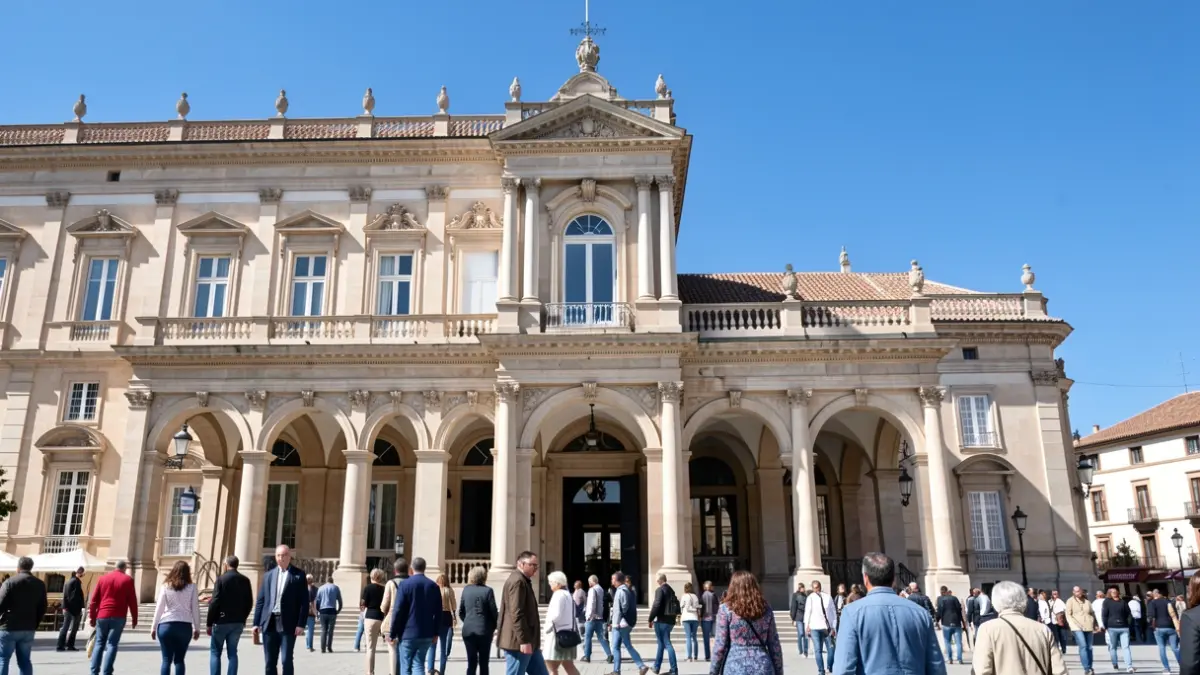
The city of Granada and its surroundings were shaken by a significant tremor shortly after 1 AM on Saturday. The seismic event, initially recorded at a magnitude of 5 and later adjusted to 4.8 by the National Geographic Institute (IGN), had its epicenter in Alhendin, southwest of the province. The incident caused numerous residents to flee into the streets in panic, while damage to buildings and vehicles was reported.
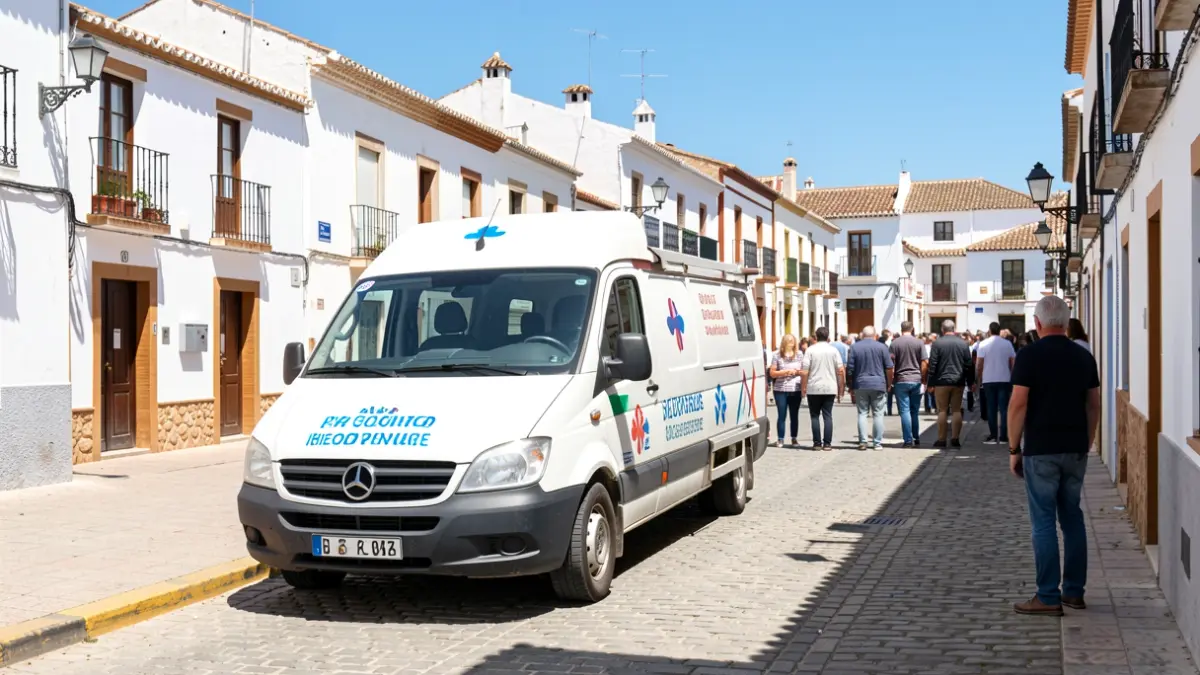
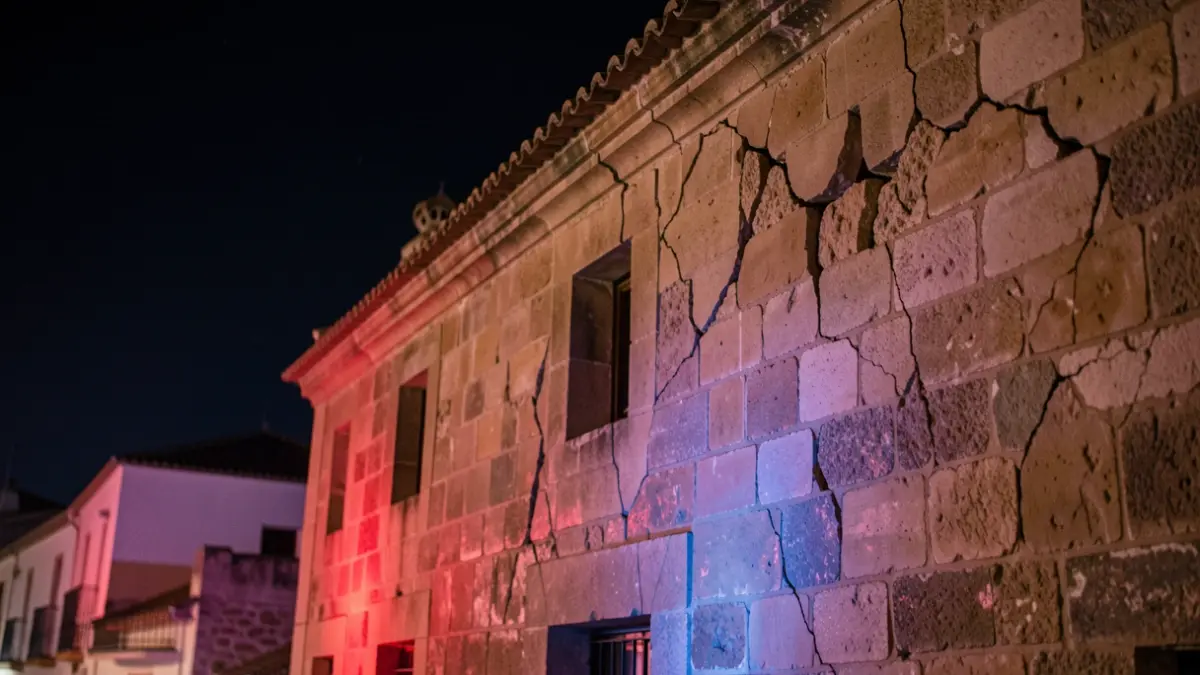
The shaking was felt strongly across much of Andalusia and was even perceived in Madrid. Emergency services received over 200 calls reporting the tremor. Fortunately, no injuries have been reported, although falling debris caused damage to cars and buildings, and several people had to be rescued from elevators.
“"The Granada Basin is one of the most seismically active areas in the Iberian Peninsula, with frequent shallow earthquakes of low to moderate magnitude."
Following the main tremor, several aftershocks occurred, keeping the population on edge and leading some residents to spend the night outdoors for fear of further movements. However, seismic activity is not new to Granada, a geologically active zone.
The explanation for this seismic recurrence lies in the complex and active boundary between the African and Eurasian tectonic plates, which converge at approximately 5 mm per year. This convergence generates stresses that are released through a network of faults beneath the region, particularly pronounced in the Betic mountain range. In the Granada area, active faults cut through the intramountain basins, causing the shallow tremors frequently felt.
While destructive, large-magnitude events are rare, the region's history records considerable earthquakes, such as a magnitude 7.8 in 1954 and a 6.3 in 2010. However, these latter events had epicenters at extreme depths (over 600 km), which mitigated their destructive impact and may offer some reassurance to anxious locals.