Granada has taken a strategic step in its bid to become the European Capital of Culture in 2031 with the adhesion of the Spanish National Research Council (CSIC) to the Granada 2031 Consortium. This alliance aims to establish the city as a hub combining research, historical heritage, and innovation.
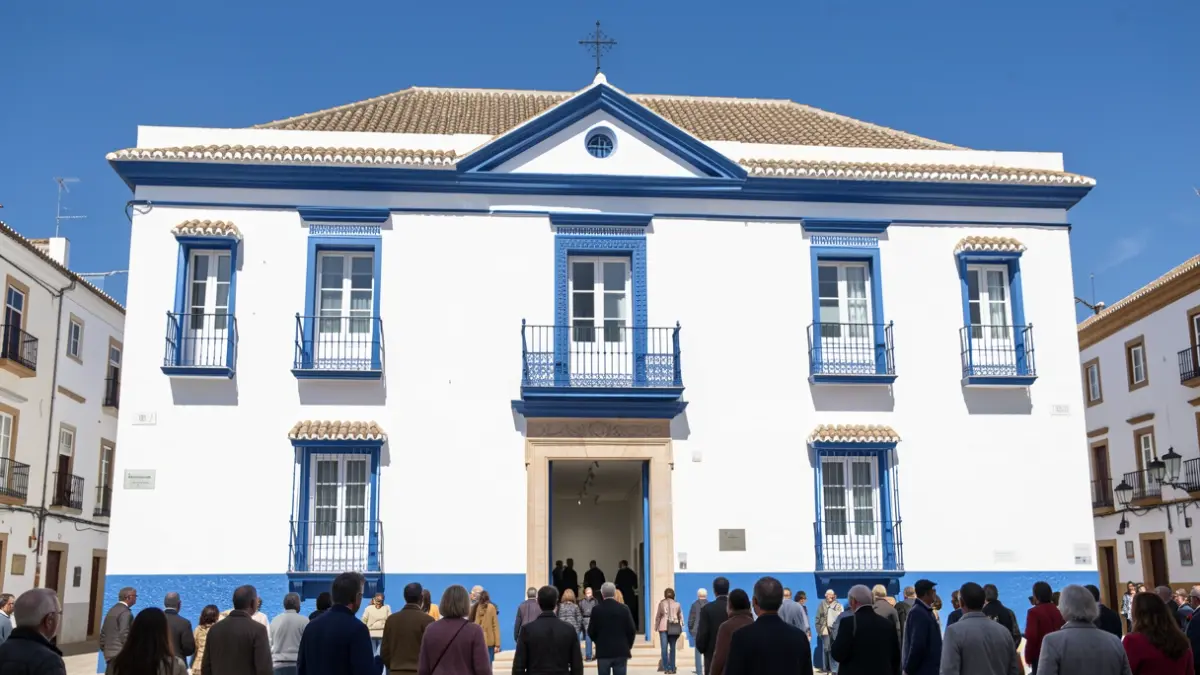
The officialization took place at the Cuarto Real de Santo Domingo, attended by Pura Fernández, Deputy Vice President for Scientific Culture and Citizen Science of the CSIC, the mayor of Granada, Marifrán Carazo, and Pilar Tassara, manager of the Granada 2031 Consortium, along with representatives from the organization's scientific centers in the province.
Mayor Marifrán Carazo described the CSIC's arrival as "a decisive step" for the project, emphasizing Granada's unique opportunity to project itself in Europe through creativity and knowledge. The candidacy advocates for science as an integral part of contemporary culture.
Pura Fernández from the CSIC stated that the organization shares the candidacy's vision of culture and commits to fostering dialogue between research, artistic creation, heritage, and cultural institutions, placing the CSIC's expertise at the service of Granada 2031.
The Units for Scientific Culture and Innovation (UCC+I) will play a key role in bringing research closer to citizens and promoting social participation.
Granada boasts a robust scientific ecosystem, including six CSIC institutes in the province, such as the Andalusian Institute of Astrophysics and the Experimental Station of Zaidín, in addition to the University of Granada and the IFMIF-DONES project.
With this backing, Granada aims to demonstrate that its cultural richness extends beyond the Alhambra or flamenco, encompassing knowledge and innovation capacity to persuade Europe.