The Ermita de Santa Ana, crowned by a round dome, stands at the highest point of Chiclana de la Frontera. This site, one of the town's 'seven magical spots', has a history dating back to a 9th-century watchtower used to scan the horizon for Viking longboats.
Today, the Costa de la Luz, stretching from Tarifa to Huelva, passing through cities like Cadiz, is known for its beauty and relative lack of mass tourism, unlike areas such as Seville or Malaga. However, the recent announcement by airline Jet2 to open new routes to Jerez, anticipating 30,000 weekly British arrivals, causes some concern.
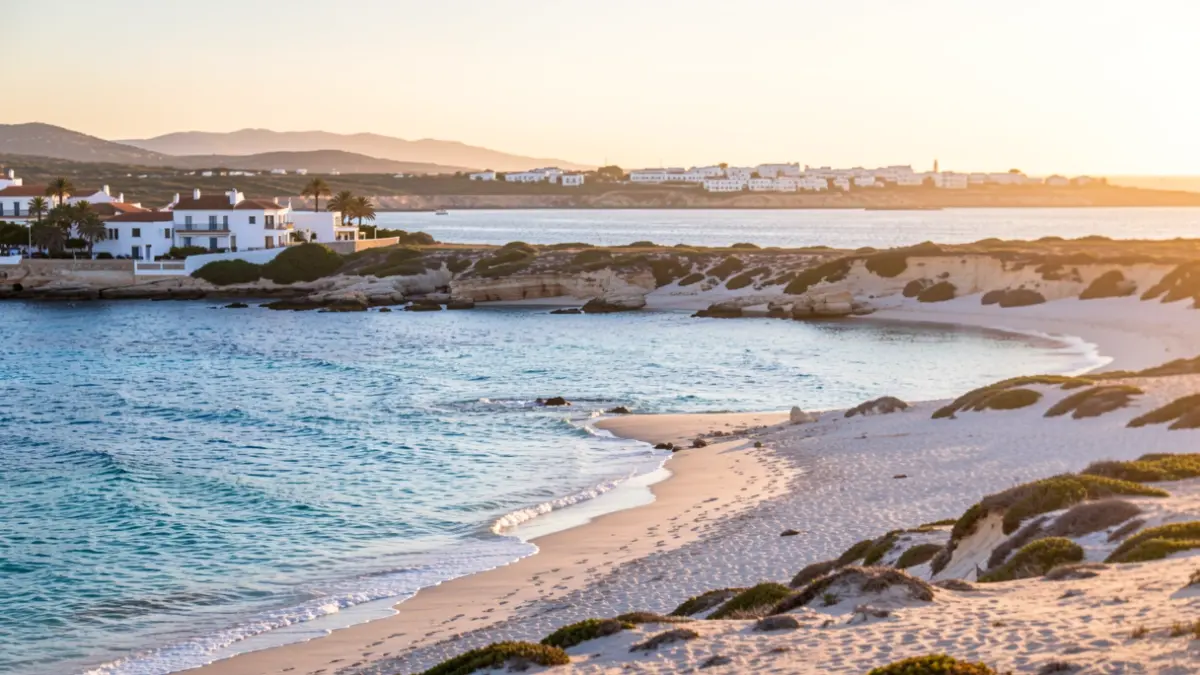
This area, which has managed to avoid the negative effects of mass tourism, offers hidden gems. Chiclana's eight-kilometre beaches and its winery and salt mine tours are mainly frequented by Spaniards, many from Seville and other inland regions. Chiclana's historic centre retains traces of the Moorish era, such as the Arco Torre del Reloj, and terraces for enjoying tapas and drinks.
In contrast to the saturation of the Costa del Sol, places like San Fernando, a former naval city, maintain an authentic atmosphere. Connected to Cadiz and Jerez by a tram system, San Fernando hosted the first Spanish parliament, the Cortes de Cádiz, in the 19th century. The town is also famous as the birthplace of flamenco singer Camarón de la Isla, whose house is now a shrine.
Further south, Rota, another naval town, boasts white sandy beaches and a large American naval base. The presence of the US Navy's 6th Fleet, with four Aegis destroyers, is integrated into the local community, creating an atmosphere some describe as 'Costa Americana', with American-style diners and Irish pubs.
Chipiona, meanwhile, has become Spain's first 'tsunami-ready' community, having installed warning signs and evacuation plans. Despite the absence of tsunamis, unusual late June rain squalls led to snails appearing on the menus of local restaurants, such as at Pide Y Come, run by Paco and Caridad, who prefer not to reveal their secret recipes.
Faced with the prospect of increased foreign tourism, local residents show an open attitude, believing it could be beneficial for the region's economy.