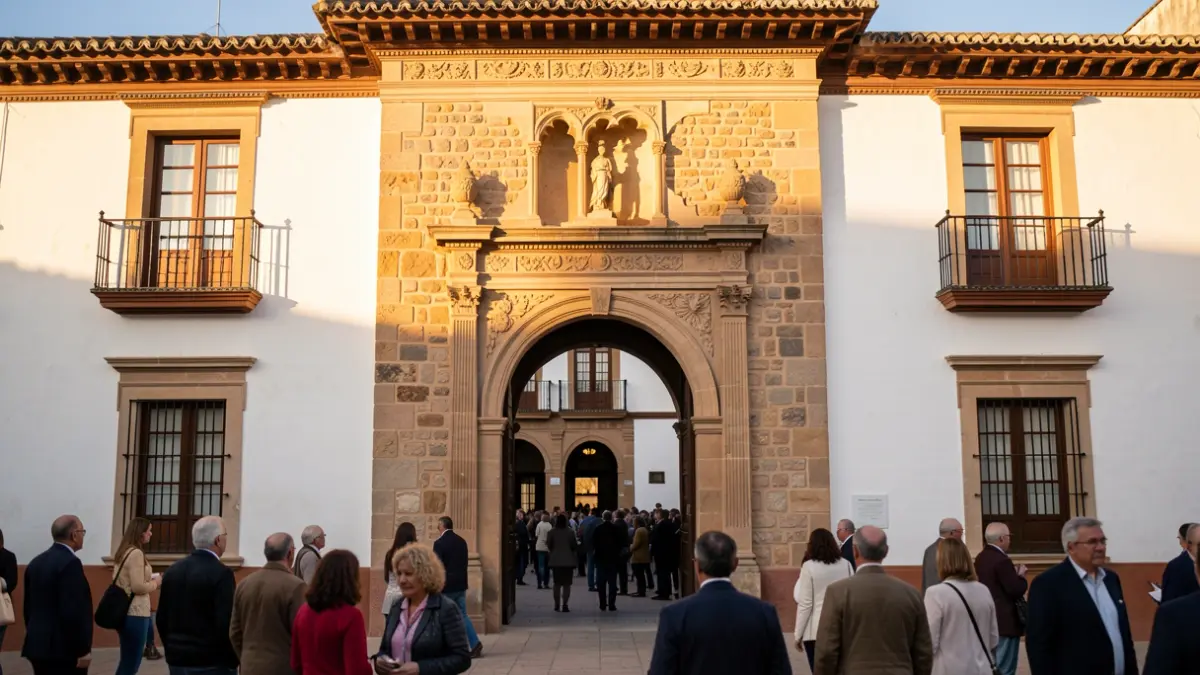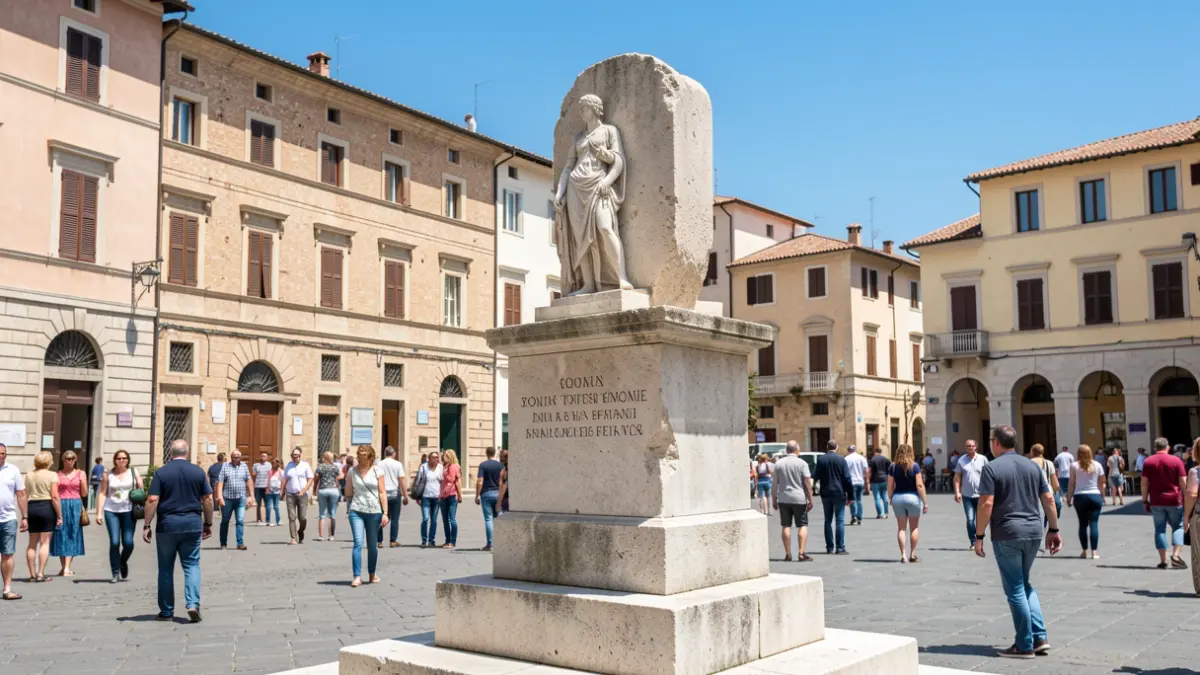
The Association of Women of Bonanza ‘Ager Veneriensis’, with the collaboration of the Sanlúcar City Council, has inaugurated a monolith in honor of the so-called Bronze of Bonanza. The event, held in the Isabel la Católica square of this fishing neighborhood, was attended by numerous residents.
The mayor, Carmen Álvarez, and the president of Ager Veneriensis, Dolores Rodríguez, were responsible for unveiling the monolith. This initiative aims to highlight the research, conservation, and dissemination of Bonanza's historical heritage, bringing to citizens and visitors the importance of one of the main archaeological finds linked to the history of Sanlúcar.
The Bronze of Bonanza, a Roman-era bronze plaque with a Latin legal inscription, was discovered in 1868 by a farmer near the area. Its finding is a valuable source for understanding Roman law and the economic activity of ancient Bética, underscoring the historical significance of Bonanza and the mouth of the Guadalquivir river in antiquity.
Following the unveiling of the replica in Isabel la Católica square, historians José María Hermoso and Manuel Parodi gave presentations contextualizing the find and its historical meaning. The original Bronze of Bonanza is currently housed in the National Archaeological Museum, and a reproduction exists at the ‘Fábrica de Hielo’ Visitor Center in Sanlúcar.
Mayor Carmen Álvarez thanked Ager Veneriensis for the initiative and the City Council's support in preserving and disseminating local heritage. She emphasized that the monolith helps to “recover and disseminate our history,” aligning with the municipal government's goal of enhancing Sanlúcar's history.
The event concluded with a theatrical performance inspired by the Bronze of Bonanza, presented by members of Ager Veneriensis as an educational outreach to engage the public with this historical episode in a different way.