AlmeríaCádizCórdobaGranadaHuelvaJaénMálagaSevillaAlpujarra AlmerienseLos VélezComarca Metropolitana de AlmeríaFilabres-TabernasLevante AlmeriensePoniente AlmerienseValle del AlmanzoraBahía de CádizCampiña de JerezCampo de GibraltarCosta NoroesteLa JandaSierra de CádizAlto GuadalquivirCampiña de BaenaCampiña Sur CordobesaLos PedrochesCórdoba (comarca)SubbéticaValle del GuadiatoValle Medio del GuadalquivirAlpujarra GranadinaComarca de AlhamaComarca de BazaComarca de GuadixComarca de HuéscarComarca de LojaCosta GranadinaLos MontesValle de LecrínVega de GranadaEl AndévaloEl Condado de HuelvaCosta OccidentalCuenca MineraComarca Metropolitana de HuelvaSierra de HuelvaÁrea Metropolitana de JaénCampiña de JaénEl Condado (Jaén)La LomaSierra de CazorlaSierra MáginaSierra MorenaSierra de SeguraSierra Sur de JaénLas VillasComarca de AntequeraLa AxarquíaGuadaltebaCosta del Sol OccidentalMálaga Costa del SolNorormaValle del GuadalhorceSerranía de RondaSierra de las NievesAljarafeBajo GuadalquivirCampiña de CarmonaCampiña de Morón y MarchenaComarca de ÉcijaComarca Metropolitana de SevillaSierra Norte de SevillaSierra Sur de SevillaVega del GuadalquivirAlmeríaCádizCórdobaGranadaHuelvaJaénMálagaSevillaAlpujarra AlmerienseLos VélezComarca Metropolitana de AlmeríaFilabres-TabernasLevante AlmeriensePoniente AlmerienseValle del AlmanzoraBahía de CádizCampiña de JerezCampo de GibraltarCosta NoroesteLa JandaSierra de CádizAlto GuadalquivirCampiña de BaenaCampiña Sur CordobesaLos PedrochesCórdoba (comarca)SubbéticaValle del GuadiatoValle Medio del GuadalquivirAlpujarra GranadinaComarca de AlhamaComarca de BazaComarca de GuadixComarca de HuéscarComarca de LojaCosta GranadinaLos MontesValle de LecrínVega de GranadaEl AndévaloEl Condado de HuelvaCosta OccidentalCuenca MineraComarca Metropolitana de HuelvaSierra de HuelvaÁrea Metropolitana de JaénCampiña de JaénEl Condado (Jaén)La LomaSierra de CazorlaSierra MáginaSierra MorenaSierra de SeguraSierra Sur de JaénLas VillasComarca de AntequeraLa AxarquíaGuadaltebaCosta del Sol OccidentalMálaga Costa del SolNorormaValle del GuadalhorceSerranía de RondaSierra de las NievesAljarafeBajo GuadalquivirCampiña de CarmonaCampiña de Morón y MarchenaComarca de ÉcijaComarca Metropolitana de SevillaSierra Norte de SevillaSierra Sur de SevillaVega del Guadalquivir

The Duquesa Castle: History and challenges of a coastal fortification in Manilva

The fortress, part of the Strait's defensive system, houses municipal and cultural uses, but has structural problems since its origin.

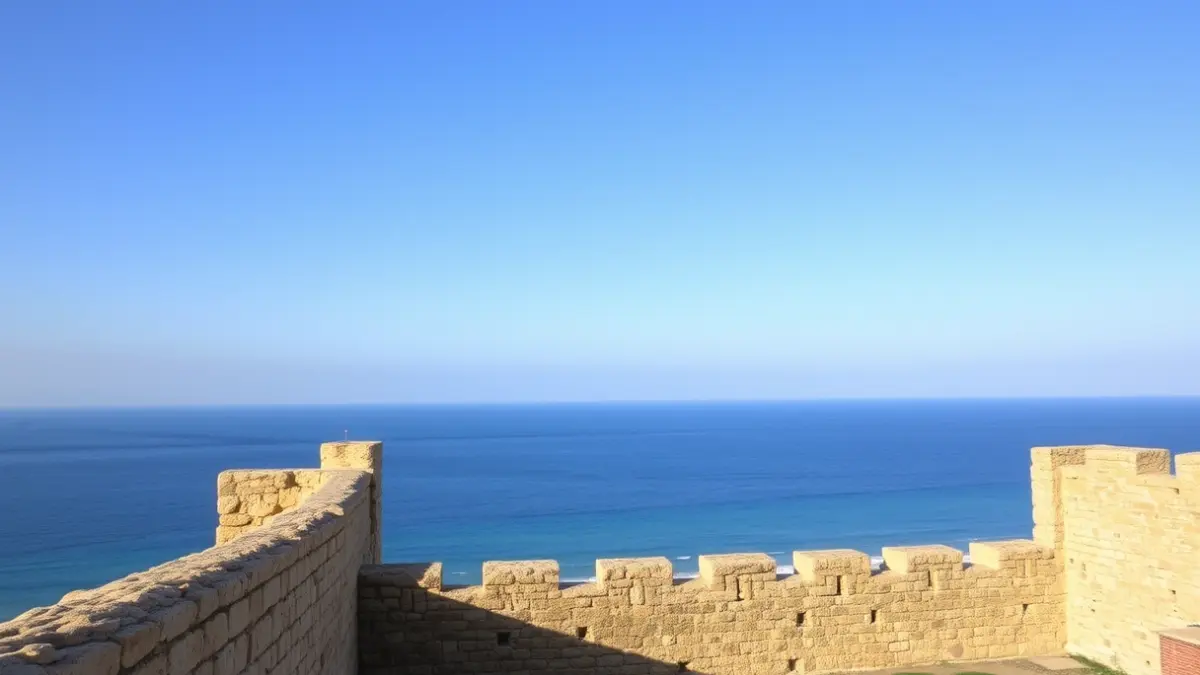
View of the ancient stone fortress walls next to a sandy beach.
IA

View of the ancient stone fortress walls next to a sandy beach.

The Duquesa Castle, an 18th-century fortification in Manilva, Málaga, stands out for its strategic coastal position and its current use for municipal offices and cultural activities, despite structural problems present since its construction.

This fortress, also known as Sabinillas Castle or Manilva Castle, is integrated into the defensive system of the Strait of Gibraltar. Its main function was to protect the coast from maritime threats and articulate the historical territory. Despite recent restorations, the building continues to show structural deficiencies that, according to documentation, emerged shortly after its construction.
Located on the western border of the province of Málaga, bordering Cádiz, the fort stands on an extensive sandy beach. Its location allowed it to control a wide anchorage and link with the coastal defensive system that extended southwards. The area, characterized by fertile hills and Mediterranean scrubland, was repopulated in the 16th century to occupy lands near the coast, historically depopulated due to fear of North African piracy.

"By maintaining some warships in that Port [of Algeciras], His Majesty would be able to control the Strait, preventing the passage of any enemy ship and especially the Moors who cross those Seas making many captures, especially Dutch and Hamburg ships, for, during the time I was in Ceuta, I saw many of them passing from the Ocean, without those that would pass at night. The entire Western Coast would also be cleared of other Barbary corsair vessels that continually infest it, and which not only impede the trade of His Majesty's vassals but also capture many boats and even landing on land carry off the families from country houses and even the Coast Guards, subjecting them to deplorable slavery."

the Marquis of Verboom · general engineer of the Spanish armies
The raison d'être of these coastal fortifications, such as the one in Manilva, lay in the need to ensure permanent occupation of the lands and the development of economic activities on a constantly threatened coastline. The presence of enemies of the Hispanic Monarchy, such as Turks, English, Dutch, and Barbary corsairs, made these coasts an uncertain territory during the Modern Age. Watchtowers warned of the proximity of vessels, and personal safety was fundamental for population and commercial growth.
The Andalusian defensive system of the Mediterranean, to which the Duquesa Castle belongs, extended from Almería and connected with the coastal artillery forts of the Bay of Algeciras, designed to confront the British occupation of Gibraltar. These fortresses carried out tasks of coastal defense, fiscal surveillance, and protection against landings, serving as strong points to force any invading force to engage in eliminating pockets of resistance.