AlmeríaCádizCórdobaGranadaHuelvaJaénMálagaSevillaAlpujarra AlmerienseLos VélezComarca Metropolitana de AlmeríaFilabres-TabernasLevante AlmeriensePoniente AlmerienseValle del AlmanzoraBahía de CádizCampiña de JerezCampo de GibraltarCosta NoroesteLa JandaSierra de CádizAlto GuadalquivirCampiña de BaenaCampiña Sur CordobesaLos PedrochesCórdoba (comarca)SubbéticaValle del GuadiatoValle Medio del GuadalquivirAlpujarra GranadinaComarca de AlhamaComarca de BazaComarca de GuadixComarca de HuéscarComarca de LojaCosta GranadinaLos MontesValle de LecrínVega de GranadaEl AndévaloEl Condado de HuelvaCosta OccidentalCuenca MineraComarca Metropolitana de HuelvaSierra de HuelvaÁrea Metropolitana de JaénCampiña de JaénEl Condado (Jaén)La LomaSierra de CazorlaSierra MáginaSierra MorenaSierra de SeguraSierra Sur de JaénLas VillasComarca de AntequeraLa AxarquíaGuadaltebaCosta del Sol OccidentalMálaga Costa del SolNorormaValle del GuadalhorceSerranía de RondaSierra de las NievesAljarafeBajo GuadalquivirCampiña de CarmonaCampiña de Morón y MarchenaComarca de ÉcijaComarca Metropolitana de SevillaSierra Norte de SevillaSierra Sur de SevillaVega del GuadalquivirAlmeríaCádizCórdobaGranadaHuelvaJaénMálagaSevillaAlpujarra AlmerienseLos VélezComarca Metropolitana de AlmeríaFilabres-TabernasLevante AlmeriensePoniente AlmerienseValle del AlmanzoraBahía de CádizCampiña de JerezCampo de GibraltarCosta NoroesteLa JandaSierra de CádizAlto GuadalquivirCampiña de BaenaCampiña Sur CordobesaLos PedrochesCórdoba (comarca)SubbéticaValle del GuadiatoValle Medio del GuadalquivirAlpujarra GranadinaComarca de AlhamaComarca de BazaComarca de GuadixComarca de HuéscarComarca de LojaCosta GranadinaLos MontesValle de LecrínVega de GranadaEl AndévaloEl Condado de HuelvaCosta OccidentalCuenca MineraComarca Metropolitana de HuelvaSierra de HuelvaÁrea Metropolitana de JaénCampiña de JaénEl Condado (Jaén)La LomaSierra de CazorlaSierra MáginaSierra MorenaSierra de SeguraSierra Sur de JaénLas VillasComarca de AntequeraLa AxarquíaGuadaltebaCosta del Sol OccidentalMálaga Costa del SolNorormaValle del GuadalhorceSerranía de RondaSierra de las NievesAljarafeBajo GuadalquivirCampiña de CarmonaCampiña de Morón y MarchenaComarca de ÉcijaComarca Metropolitana de SevillaSierra Norte de SevillaSierra Sur de SevillaVega del Guadalquivir

Transhumance in Spain: A UCO Study Reveals Its Diversity and Challenges

Research by the Institute of Sociology and Peasant Studies at the University of Córdoba identifies three types of transhumant systems and their agroecological importance.

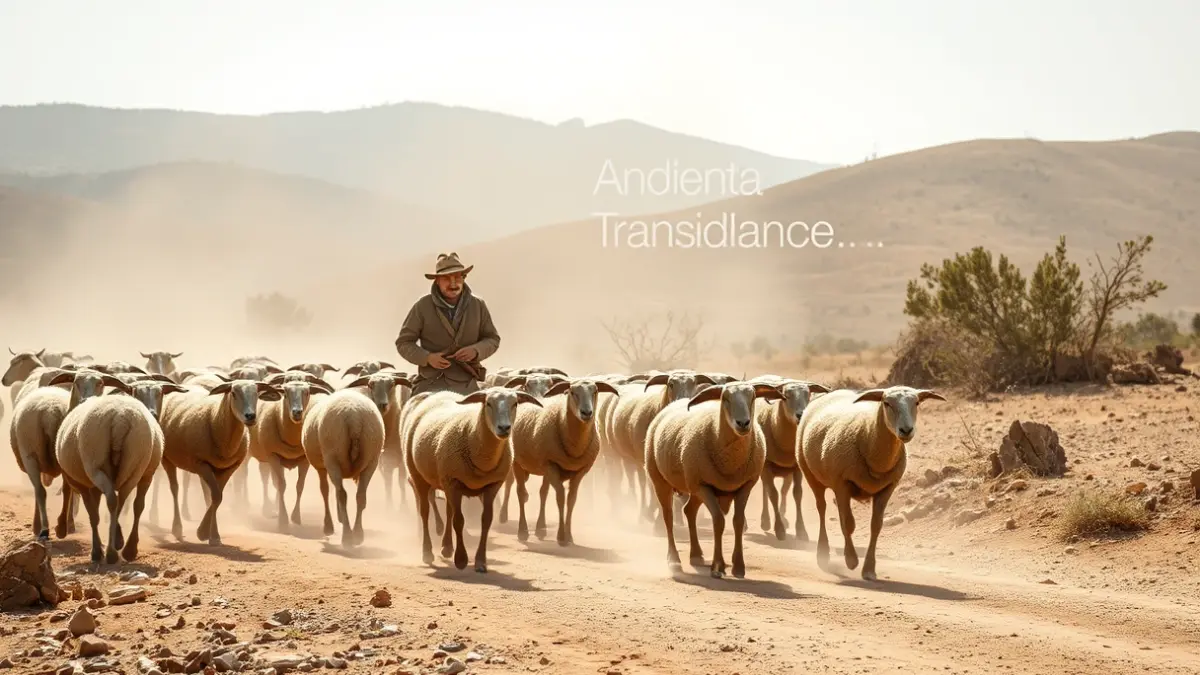
Image of a transhumant shepherd with his flock in an Andalusian landscape.
IA

Image of a transhumant shepherd with his flock in an Andalusian landscape.

The Institute of Sociology and Peasant Studies at the University of Córdoba has presented the first socio-productive characterization of transhumant systems in Spain, highlighting their cultural, social, and ecological value.

This pioneering work, which addresses economic, productive, socio-cultural, political, and governance aspects, aims to provide information and evidence on transhumant livestock farming. According to a spokesperson for the research team, this practice is a "living heritage of immense cultural, social, and ecological value" that offers keys for sustainable interaction with ecosystems and food production.
The results of this "radiography" of transhumance in Spain reveal great diversity among shepherds, who, despite their differences, share a common cultural and practical basis. This foundation has been shaped by political, economic, and ecological pressures and circumstances, demonstrating high resilience against external factors such as agricultural intensification policies, market volatility, and climate change.

"Our work provides transversal and updated information on a system that, although discursively valued, lacks current and detailed data."

a research team spokesperson
The research, based on 84 interviews with transhumant shepherds from eight Spanish regions, used a mixed approach. Qualitative analysis identified the most frequent perspectives on ecological, productive, economic, political, and social issues. On the other hand, quantitative methodology, using descriptive statistics and multivariate analyses, identified three distinct groups of transhumants.
These three groups are primarily linked to the drovers' roads and the territories where they carry out their activity. One group is associated with the Cañada Real Conquense, another with the Cañada Real Segoviana, and a third with Santiago-Pontones in Jaén. The first group, with an average age of 55, undertakes longer transhumances with large and mixed herds. The second group, younger (average age 47), focuses on cattle, especially the Avileña Negra Ibérica breed, with shorter transhumances and more diverse sales channels. Finally, the third group primarily practices transhumance between the Sierra de Segura and Sierra Morena, with smaller sheep herds and greater participation in sector associations.
The findings, published in the journal Sustainability: Science, Practice and Policy, highlight that despite the resilience and ecological and nutritional value of transhumance, there is an urgent need for greater political support and a regulatory framework to protect it, adapt to its particularities, dignify working conditions, and ensure generational succession.