The in-store shopping experience has evolved significantly, with e-commerce transitioning from a supplement to an indispensable tool. Customer communication has also gone digital, using text messages and emails to announce discount periods instead of traditional printed advertising.
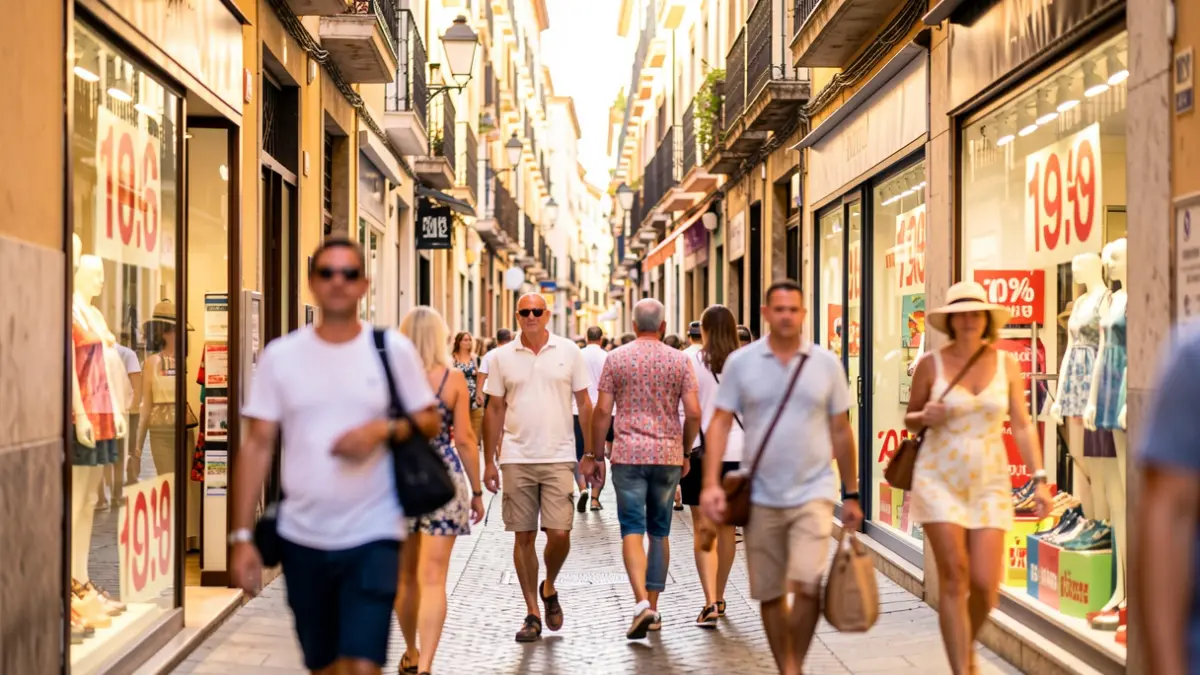
Sectors like fashion, footwear, and accessories experience sales more intensely, while other more specialized areas see less impact or none at all. The general consensus is that the Internet has radically transformed how people shop, allowing consumers to compare prices and decide on purchases based on opportunities, rather than strictly adhering to the sales calendar.
Digital shopping carts have become a key planning tool. Many consumers add desired items to their online carts, waiting for the opportune moment to buy. Some platforms even indicate stock availability in physical stores, facilitating the transition between the online and offline worlds.
Local businesses with a strong online presence, such as El Espejo te dice guapa, highlight the constant growth of digital sales, although they acknowledge the limitations of physical space. They emphasize that personalized attention and professionalism remain the main differentiators against online competition.
Establishments like Miguel Peris are preparing with significant promotions, offering discounts of up to 50% on some products. Changes in opening hours are also being observed, with some downtown stores closing in the afternoons due to high temperatures. Specific campaigns, such as for brides, are being prepared with stock liquidations of up to 70% on previous season's dresses.
The liberalization of sales and the rise of e-commerce have altered the perception of these periods. People have become accustomed to continuous discounts, which has diluted the impact of traditional sales. Despite this, businesses face the season with optimism, relying on personalized attention and proximity as added values against the competition.