The Citizen Movement Council (CMC) has presented its contributions to the Air Quality Improvement Plan (PMCA) and its Short-Term Action Plan to the Cordoba City Council. The organization proposes extending current measures, which focus on traffic, to also include combating dust storms, high ozone concentrations, and pollutant gas emissions from industrial activities within the municipality.
The CMC emphasizes the importance of the guiding document, stating that its priority should be to "prevent illnesses, save lives." It agrees that vehicle traffic is the main daily problem and a cause of pollution episodes, and the PMCA already includes alerts and temporary restrictive measures such as speed limits and traffic diversions.
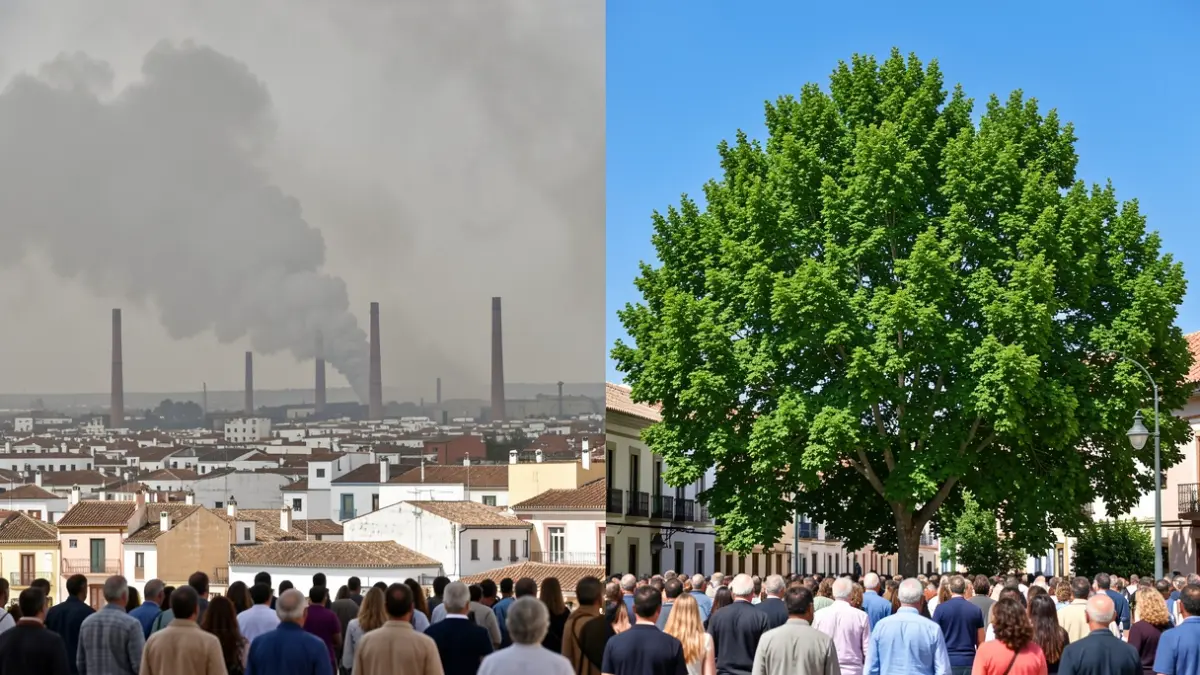
However, the CMC points out that "vehicle circulation is not the only problem," as atmospheric phenomena such as suspended dust (calimas), high ozone concentrations, especially in summer, and pollution from industrial emissions occur throughout the year.
The organization pays special attention to the "biogas (biomethane) extraction activity," which has already generated controversy in parts of the province and should, according to the CMC, be regulated in the city, particularly in the southern part of the municipality, La Campiña, which lacks the forest protection found in the Sierra de Córdoba.
Furthermore, the CMC believes that the Air Quality Improvement Plan should be linked to other ongoing projects, such as the Tree Planting Plan, and to the fight against noise pollution, "which can also cause health problems."
Finally, the Council urges "taking steps to defend air quality" without waiting for the definitive approval of the PMCA. They suggest as a "clearest example" unblocking the construction of the cycle lane network, promoting pending projects on avenues like Avenida de Manolete, the Puente de San Rafael, and the Electromecánicas viaduct, as well as maintaining the existing network in perfect condition.