The Córdoba City Council has taken an initial step towards establishing the Local Council for Children and Adolescents. This body, initially approved in the municipal plenary session, has the primary objective of fostering the active participation of children and adolescents in the life of the Cordoban capital.
The initial approval received support from the PP, PSOE, and Vox parties, with Hacemos Córdoba abstaining. Left-wing groups expressed concerns regarding the body's representativeness and actual effectiveness, fearing it might be created merely "to tick a box." The municipal government defended the model as a way to "listen to its children," considering them "citizens of today."
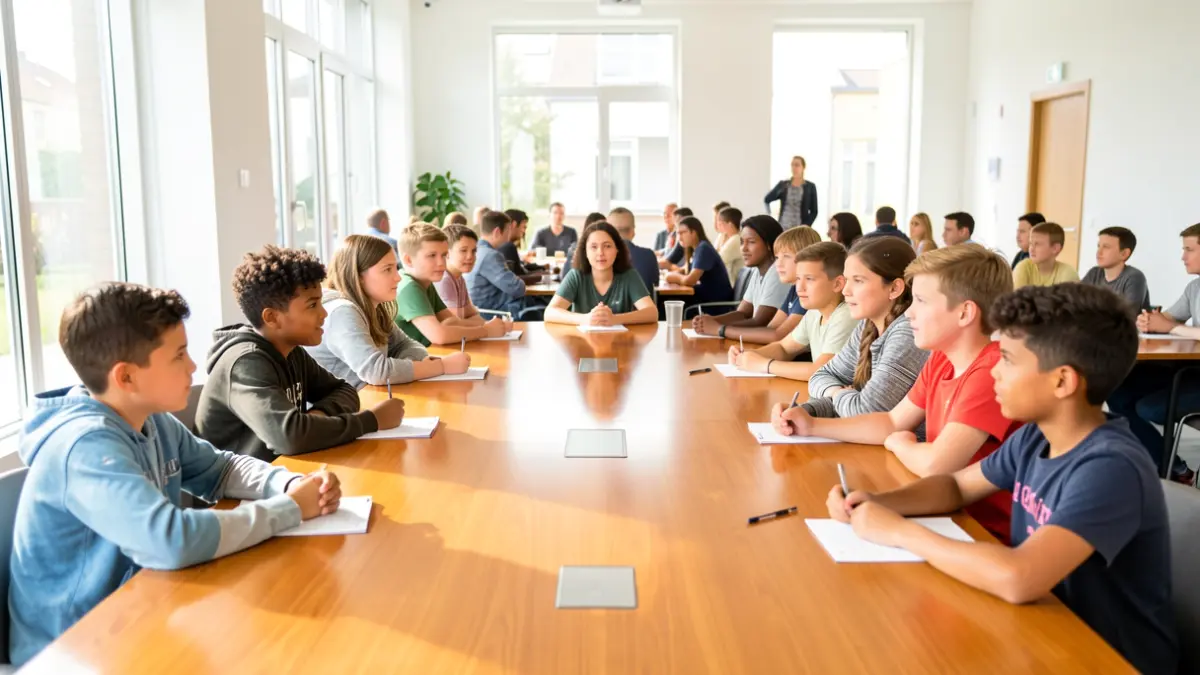
According to the draft regulations, the Council is defined as a specific space for citizen participation composed of children and adolescents. Its purpose is to promote their involvement in municipal activities, recognizing their capacity for opinion and expression, and making them participants in decisions that affect them.
Among its objectives are promoting the knowledge and exercise of the rights and duties of children and adolescents, as well as those of families and citizens. It also aims to promote the exercise of rights outlined in the UN Convention on the Rights of the Child, thereby improving the quality of life and social well-being.
The Council will also work to disseminate democratic and constitutional values, such as freedom and equality, and serve as a channel for complaints, suggestions, and recommendations from the children and adolescents it represents.
The composition of the Council will include the mayor or a delegated councilor as president, and up to 60 members. These members will be democratically elected children and adolescents: 30 studying Primary Education (grades 1-6) and another 30 studying Compulsory Secondary Education. It will also have a Secretariat managed by a City Council official.
The Council's functions will include promoting actions to raise awareness about the rights of children and adolescents, and acting as a communication channel between minors and the City Council regarding their specific issues. It will offer an institutional platform to hear demands and proposals, encourage community involvement and associationism, and propose measures for the well-being and rights of children and adolescents, including the development of local plans.