The Seville City Council will launch a new system to control unauthorized vehicles in the Old Town with the start of operation of the TB1 line, connecting Santa Justa with Plaza del Duque. The objective is to maintain the commercial speed of this new Bus Rapid Transit (BTR).
According to the delegate for Mobility, Álvaro Pimentel, the measure, effective from September 28, aims to deter unauthorized vehicles from the reserved platform while ensuring that residents, merchants, and workers in the Old Town maintain their usual access to homes, parking, and businesses without risk of fines.
Access control will be carried out using license plate readers along the Puñonrostro-Duque axis. The delegate emphasized that the system is exclusively designed for these routes, without altering other access points to the city center. "The daily lives of residents and workers in the center will not be affected," stated Pimentel, guaranteeing full operational capacity without restrictions for those who live, work, or consume in the area.
The system automates authorizations for residents, garage space owners, industrial vehicles during their usual loading and unloading hours, and school community members, who can register up to four license plates. A platform will be enabled for these registrations, and an initial information period of two months without fines will be established, extendable by one more month.
Access to public parking facilities such as Duque and Imagen will remain free. Cameras will automatically cross-reference entry data with parking records. Motorcycles, mopeds, bicycles, and personal mobility vehicles (VMP) retain their free circulation. A 72-hour grace period is allowed for medical emergencies or workshop visits.
Pimentel highlighted that this technology is essential for the performance of the TB1 line, a 12.4-kilometer infrastructure that will reduce travel time between Sevilla Este and El Duque from 55 to 33 minutes. The service, using 16 electric vehicles, will offer over 41,000 daily seats with a frequency of five minutes during peak hours.
The delegate also noted that the government of José Luis Sanz is taking responsibility for resolving the mobility issues that have long affected Sevilla Este, transforming a previous incomplete project into a high-capacity network that improves residents' quality of life.
Detailed access permissions include residents, garage spaces, industrial vehicles during regulated hours, educational community (up to 4 plates per family unit), public parking, motorcycles, VMPs, people with reduced mobility (PMR), emergency services (with 72h justification), and hotel guests.
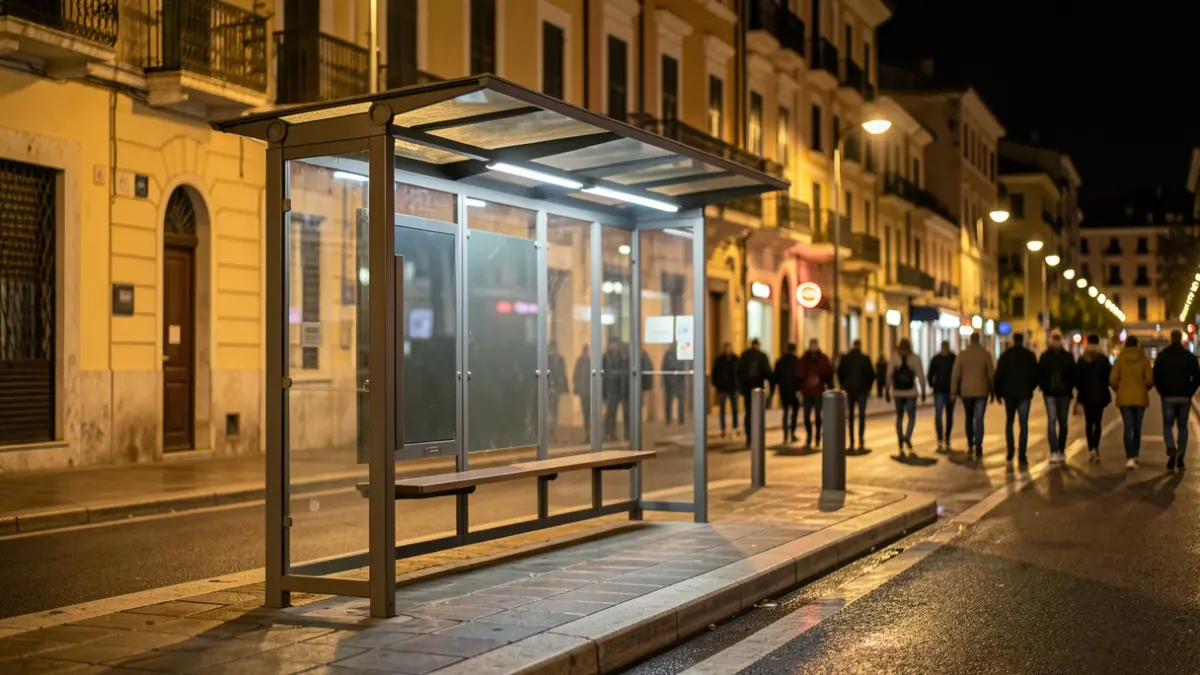
The introduction of the BTR also involves a reorganization of Tussam bus lines. Lines 10, 12, 24, and 32 will maintain their terminal at Plaza Ponce de León. Lines 11, 15, 16, and 20 will head to Puerta Osario, with transfers to the TB1. Line 13 will move its terminal to Plaza de la Campana, and line 14 to Alameda de Hércules.
Line 27 (Sevilla Este) will keep its terminal at Prado de San Sebastián, operating as an "express line" towards Nervión, enhancing connectivity with the Metrocentro, Metro, Commuter Rail, and other urban and interurban lines.