This is the first case detected in the Huelva province, while Seville accounts for the majority of positive cases in Andalusia. Of the 43 cases confirmed so far this year in the autonomous community, 29 have presented mild illness and 14 have developed neuroinvasive disease. One death has been recorded, and 32 cases show a provisional favorable evolution.
The municipalities in Andalusia with detected cases are concentrated in the provinces of Seville and Huelva. In Seville, Villamanrique de la Condesa leads in the number of positives with nine, followed by Coria del Río (six), Dos Hermanas and La Puebla del Río (five each), and Aznalcázar (four). Cases have also been registered in Almensilla, Palomares del Río, and the provincial capital (three each), as well as in Los Palacios y Villafranca, Olivares, and Hinojos (one case each).
The Regional Government has conducted laboratory studies to rule out WNV infection in 457 users and arbovirus screenings in 119 cases of viral meningitis. Between June 1 and August 9, 3,620 determinations were carried out on blood donors.
Currently, 25 Andalusian municipalities are declared alert areas for WNV circulation, with Hinojos being the latest addition. Other alert areas are located in Granada (Salobreña), Jaén (Lopera), and in the province of Málaga (Fuengirola, Mijas -Las Lagunas area- and Málaga capital -in Campanillas-). The province of Seville has the majority with 15 municipalities on alert.
The declaration of an alert area involves intensifying entomological, animal, and human surveillance, as well as activating community promotion actions and reinforcing communication to citizens to encourage protection measures against the virus. Municipalities must also intensify the control of transmitter mosquitoes.
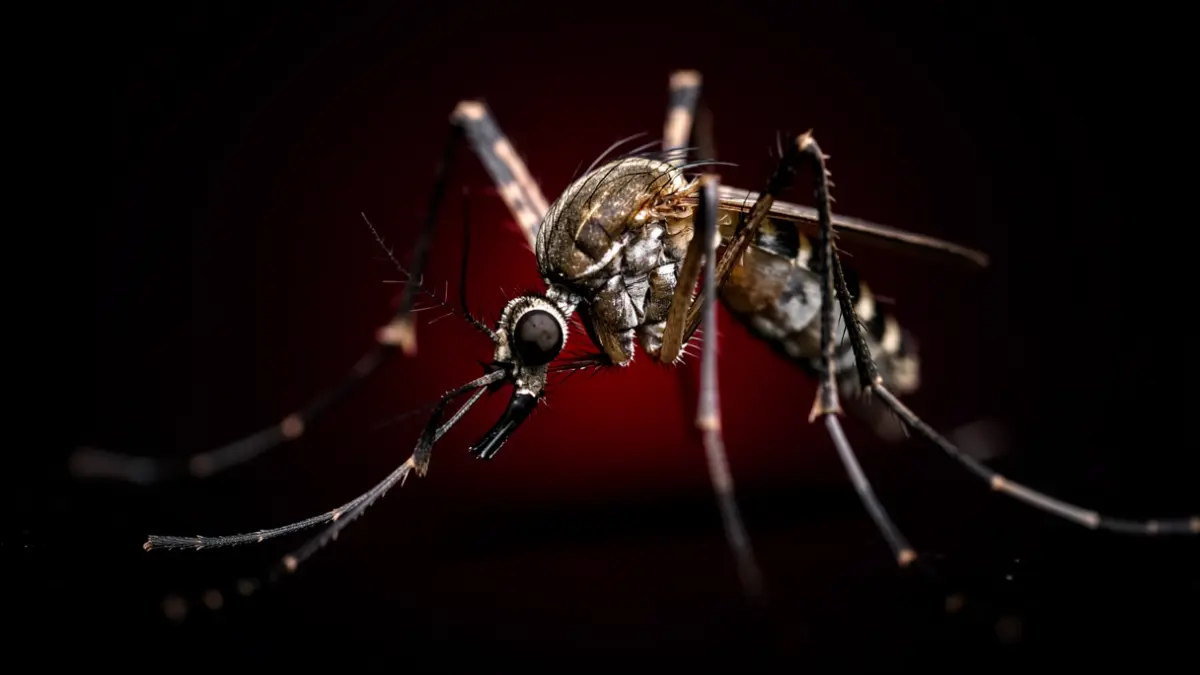
Given the situation, the Ministry of Health reiterates the need to adopt protection measures, especially for vulnerable individuals and in areas with a high presence of the vector mosquito. It recommends using registered repellents, wearing light-colored clothing, avoiding intense perfumes, installing mosquito nets, and using domestic or environmental insecticides.
Public Health also emphasizes the importance of avoiding stagnant water accumulations in swimming pools, gardens, pots, or buckets, as these can become breeding grounds for mosquito larvae.