AlmeríaCádizCórdobaGranadaHuelvaJaénMálagaSevillaAlpujarra AlmerienseLos VélezComarca Metropolitana de AlmeríaFilabres-TabernasLevante AlmeriensePoniente AlmerienseValle del AlmanzoraBahía de CádizCampiña de JerezCampo de GibraltarCosta NoroesteLa JandaSierra de CádizAlto GuadalquivirCampiña de BaenaCampiña Sur CordobesaLos PedrochesCórdoba (comarca)SubbéticaValle del GuadiatoValle Medio del GuadalquivirAlpujarra GranadinaComarca de AlhamaComarca de BazaComarca de GuadixComarca de HuéscarComarca de LojaCosta GranadinaLos MontesValle de LecrínVega de GranadaEl AndévaloEl Condado de HuelvaCosta OccidentalCuenca MineraComarca Metropolitana de HuelvaSierra de HuelvaÁrea Metropolitana de JaénCampiña de JaénEl Condado (Jaén)La LomaSierra de CazorlaSierra MáginaSierra MorenaSierra de SeguraSierra Sur de JaénLas VillasComarca de AntequeraLa AxarquíaGuadaltebaCosta del Sol OccidentalMálaga Costa del SolNorormaValle del GuadalhorceSerranía de RondaSierra de las NievesAljarafeBajo GuadalquivirCampiña de CarmonaCampiña de Morón y MarchenaComarca de ÉcijaComarca Metropolitana de SevillaSierra Norte de SevillaSierra Sur de SevillaVega del GuadalquivirAlmeríaCádizCórdobaGranadaHuelvaJaénMálagaSevillaAlpujarra AlmerienseLos VélezComarca Metropolitana de AlmeríaFilabres-TabernasLevante AlmeriensePoniente AlmerienseValle del AlmanzoraBahía de CádizCampiña de JerezCampo de GibraltarCosta NoroesteLa JandaSierra de CádizAlto GuadalquivirCampiña de BaenaCampiña Sur CordobesaLos PedrochesCórdoba (comarca)SubbéticaValle del GuadiatoValle Medio del GuadalquivirAlpujarra GranadinaComarca de AlhamaComarca de BazaComarca de GuadixComarca de HuéscarComarca de LojaCosta GranadinaLos MontesValle de LecrínVega de GranadaEl AndévaloEl Condado de HuelvaCosta OccidentalCuenca MineraComarca Metropolitana de HuelvaSierra de HuelvaÁrea Metropolitana de JaénCampiña de JaénEl Condado (Jaén)La LomaSierra de CazorlaSierra MáginaSierra MorenaSierra de SeguraSierra Sur de JaénLas VillasComarca de AntequeraLa AxarquíaGuadaltebaCosta del Sol OccidentalMálaga Costa del SolNorormaValle del GuadalhorceSerranía de RondaSierra de las NievesAljarafeBajo GuadalquivirCampiña de CarmonaCampiña de Morón y MarchenaComarca de ÉcijaComarca Metropolitana de SevillaSierra Norte de SevillaSierra Sur de SevillaVega del Guadalquivir

Classical verse, a living tool for performance

Actors Roberto Quintana and Eugenio Jiménez lead a practical course in Carmona on the relevance of monologue and voice in theatre.

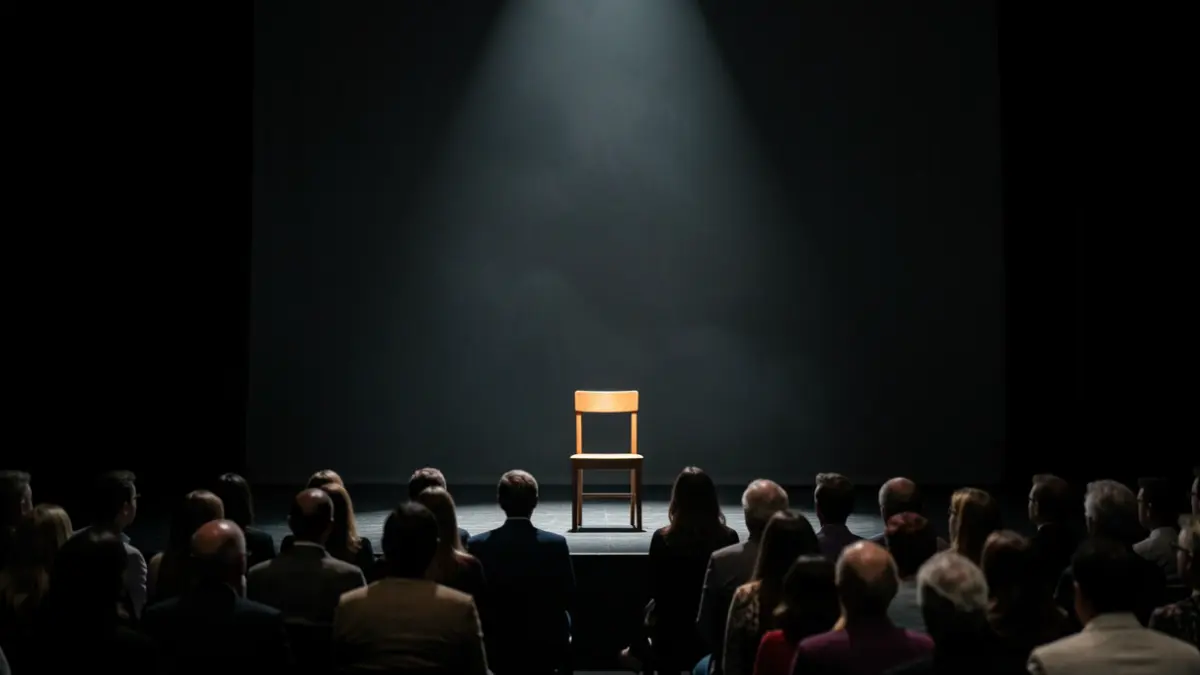
Scene of an empty stage with a chair illuminated by a spotlight, suggesting a monologue.
IA

Scene of an empty stage with a chair illuminated by a spotlight, suggesting a monologue.

The monologue and classical verse are consolidated as essential tools for acting performance in the fourth edition of a practical course led by Roberto Quintana and Eugenio Jiménez in Carmona.

In an era dominated by digital immediacy, classical verse remains a profound way to explore human emotions and expressiveness. This is the conviction of actors Roberto Quintana and Eugenio Jiménez, directors of the fourth edition of the course ‘The monologue, an essential element of classical verse. The spoken voice, the sung voice. Practical Course’. This workshop is held as part of the 24th edition of the Summer Courses of the Universidad Pablo de Olavide in Carmona.
Far from being a relic, verse is considered a relevant tool for acting training. Roberto Quintana states that “verse is not a literary relic; it is a way of thinking, breathing, and communicating”. Understanding its structure and musicality offers expressive resources that transcend genres and eras.
The course focuses on a practical approach, where words gain meaning when they find a voice to imbue them with intention and emotion. Eugenio Jiménez explains that “the voice is not just an instrument for speaking a text; it is the place where the actor’s thought, breath, and emotion converge”.
The monologue, a central theme of the program, requires the actor to sustain dramatic tension and build a connection with the audience in apparent solitude, fostering precise self-awareness and text comprehension.
The directors emphasize that technique (meter, rhythm, breathing) must serve emotion. «Technique can never be an end in itself; it must be the tool that allows the spectator to forget its existence and connect with the truth of what is happening on stage», they affirm.
The training also highlights sung voice as a natural extension of the spoken word, exploring common principles with spoken voice such as breath, projection, and emotional communication.
Quintana adds that working with classical texts is a way of preserving cultural heritage. “The classics continue to speak to us because the great human conflicts have barely changed”, he notes, referring to themes like love, power, or ambition present in works by authors such as Lope de Vega, Calderón de la Barca, or Shakespeare.
Vocal training is considered valuable for any profession requiring communication, from teaching to the legal field or scientific dissemination.
Sessions work individually on diction, breathing, verse musicality, character construction, and the body-voice-emotion relationship, aiming for words to come alive and be truthful through the voice.
This fourth edition consolidates a specialized training space in Carmona, championing classical verse as a living heritage for understanding performance and the human experience.
Based on information from the official source: Universidad Pablo de Olavide - DUPO (Diario de la Universidad) (16/07/2026)