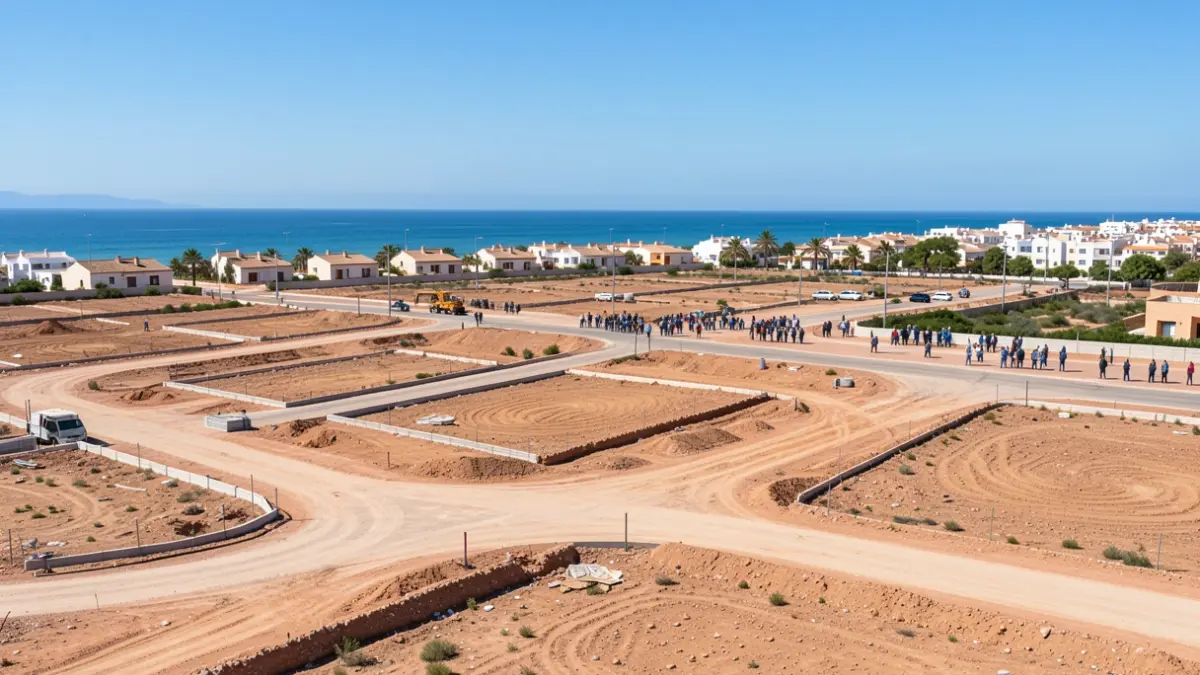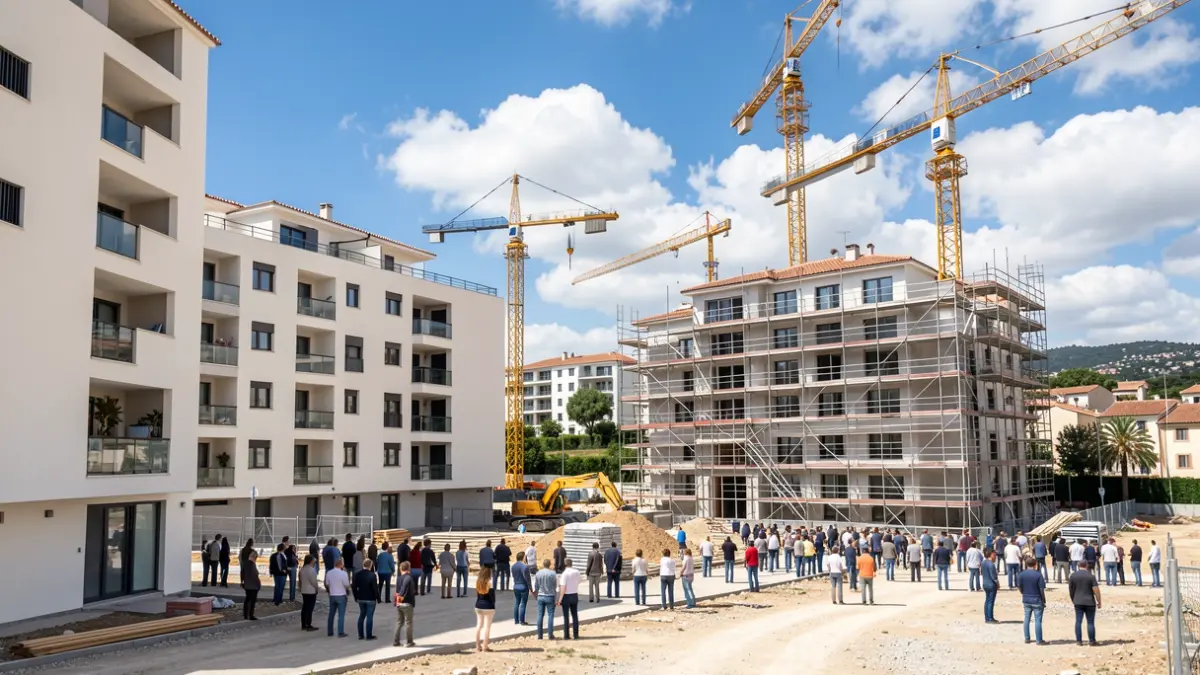
The strategy to expand affordable housing in Bormujos advances with the approval of an urban planning study that will allow the establishment of a new housing cooperative. This initiative will transform tertiary-use land into residential land, responding to the demand from young people and families.
The Urban Planning delegate, Isabel Madera, explained that the change of use was driven by a planning study, a municipal planning tool that allows city councils to decide on the application and destination of land. This action is considered strategic for the continuous generation of affordable housing in the municipality.
“"City councils decide whether it applies, where it applies, and where it does not."
The cooperative model is presented as an alternative to traditional real estate development, eliminating the profit motive of the developer. Future homeowners themselves, grouped into cooperatives and managed by professionals, drive the project. This system can reduce the final cost of housing by 15% to 25% compared to conventional new construction, as surpluses are returned to the cooperators.
This initiative aligns with Isabel Madera's urban planning policy in Bormujos, which already has 167 protected housing units under development. The municipality is consolidating itself as a metropolitan benchmark in housing access policies. Cooperatives also offer greater financial control and legal security, with independent financing and specific banking supervision for each development.
Urban Planning considers that these actions adapt planning to social needs, unlocking land and generating residential opportunities where previously there were undeveloped tertiary uses. The measure reinforces the commitment to combine urban management, public-private collaboration, and new residential formulas to facilitate housing access amidst rising prices in the metropolitan area of Seville.