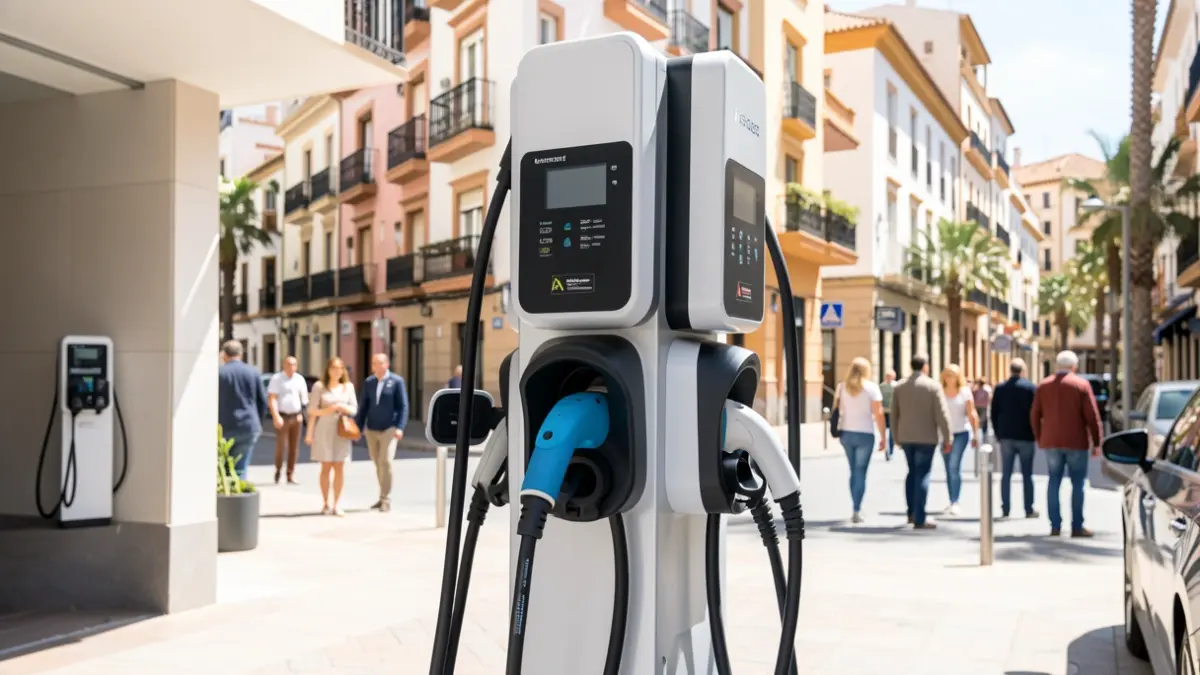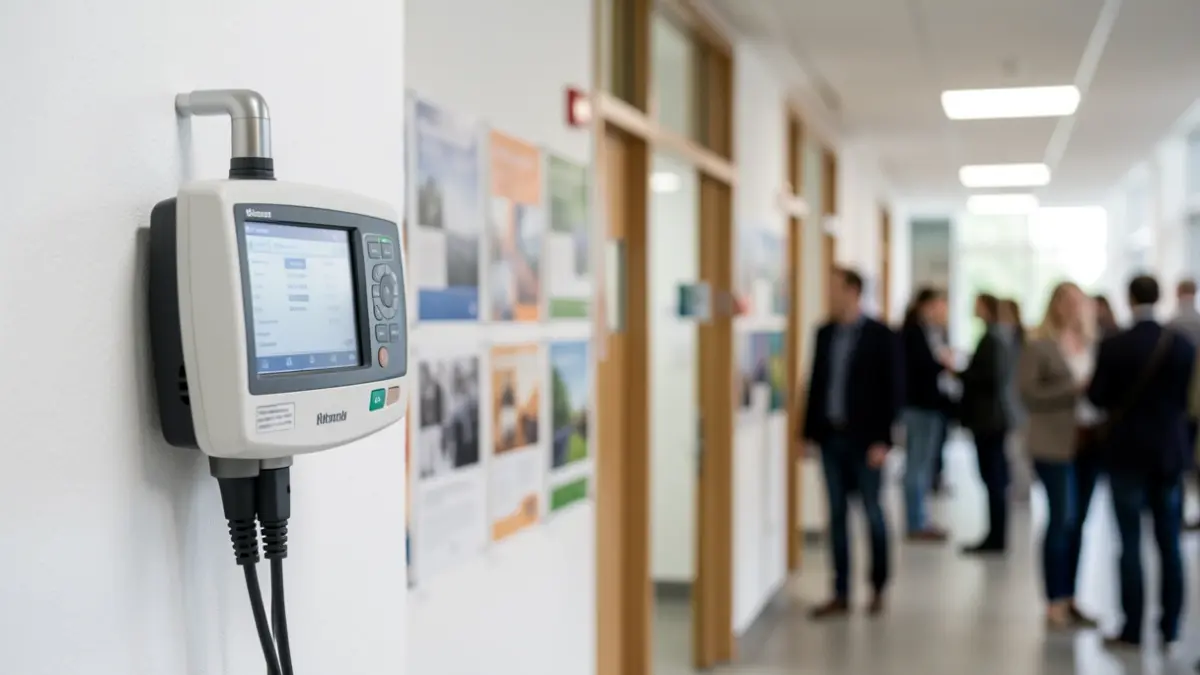
The campus of the University of Almería has completed the installation of defibrillators in its three buildings most distant from the central hub of activity. These new devices are located in the Multiple Use Building, the Aulario VI, and the football field, areas now added to those already certified as 'cardio-safe' by the Territorial Delegation of Health and Consumption of the Junta de Andalucía.
With these additions, the campus now has a total of seventeen operational defibrillators, strategically distributed. The University of Almería is a certified Cardio-Safe Zone by the Sanitary Emergency Center 061, confirming its commitment to the safety and health of its community. The rapid application of basic cardiopulmonary resuscitation techniques in the first few minutes after an incident can increase survival chances by over 50%.
The certification was achieved not only by incorporating the new devices but also by verifying compliance with the rigorous requirements for effective action in case of cardiac arrest. The defibrillators are located in key points such as the Sports Center, the Student House, Pabellón A, the CITIC, CITE 3, the Nicolás Salmerón University Library, the Humanities Building C, Aulario I, the Central Building, CITE V, the Health Sciences Building, the Security Service vehicle, the Rectorate, and now, the Multiple Use Building, Aulario VI, and the football field.
Gabriel Aguilera, Vice-Rector for Sustainability, Health, and Sports, explained that 'we have the necessary number of defibrillators to save lives, and they are located in the right places to apply basic cardiopulmonary resuscitation techniques, which are vital in the first minutes.' In parallel, the University of Almería provides continuous training to its staff, especially receptionists and other key personnel, to ensure quick and effective action in emergencies.
The UAL complies with the requirements of Order of June 4, 2013 (BOJA 113/2013), which mandates having automated external defibrillators installed and operational in sufficient numbers and appropriate locations, ensuring that at least 75% of potential users can receive defibrillation within three minutes. Furthermore, the defibrillators must be registered in the Andalusian Registry of Automated External Defibrillators.
Cardiovascular diseases are a significant cause of death in the Western world, with sudden cardiac death, which often occurs outside a hospital setting, being particularly prominent. The 'chain of survival' for cardiac arrest includes recognizing the situation, activating the emergency system, initiating basic life support, early electrical defibrillation, and rapid advanced life support. The immediate application of these maneuvers, even without prior first aid knowledge, is crucial in the five minutes following a cardiac arrest.