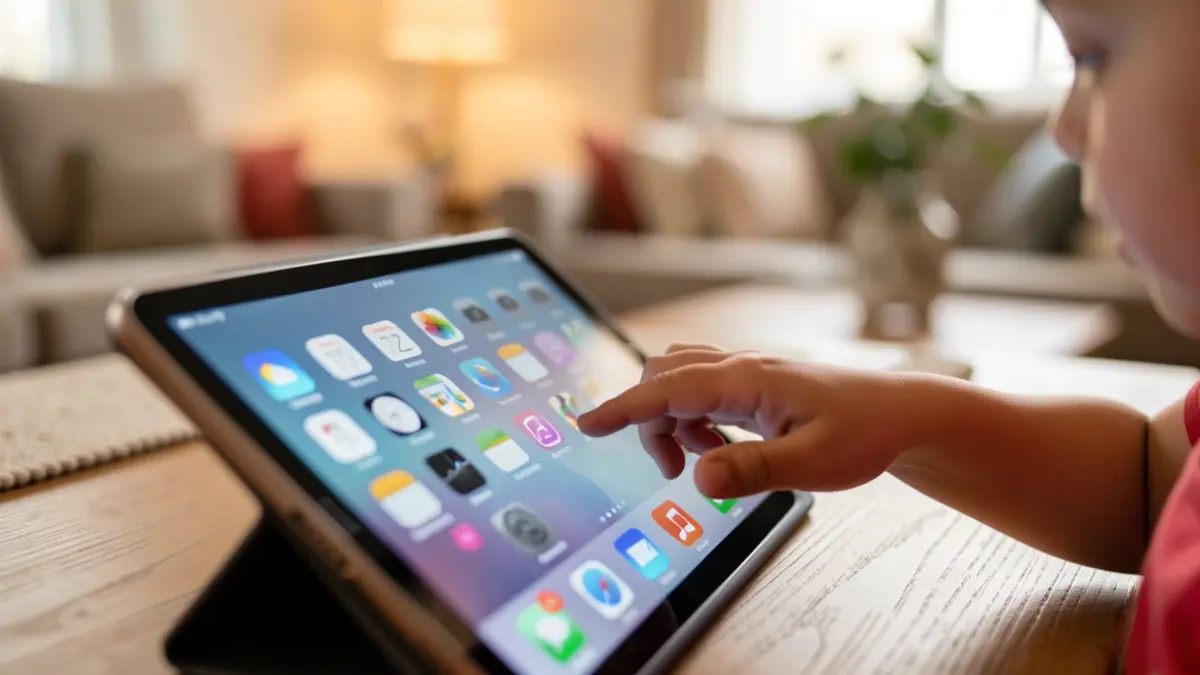
Increased exposure time to devices like mobile phones, tablets, video game consoles, computers, or television can cause difficulties in children, especially when it interferes with their behavior, rest, attention span, or family life. The hospital's Mental Health Specialist Nurse, Antonia Torres Salvador, points out that irritability and disproportionate reactions when trying to take away a screen are warning signs. Other indicators include low frustration tolerance, refusal to stop using the device, and difficulty accepting limits.
Problems with attention, concentration, memory, apathy, sleep disturbances, and instances of physical or verbal aggression can also be linked to excessive screen use. Professionals recommend observing the child's development and responding with support, rather than solely removing the device. It is crucial to help children identify their emotions, remain calm, and offer alternatives such as outdoor activities, shared games, reading, sports, or family interaction.
Establishing clear, age-appropriate limits is essential for a healthy relationship with technology. These limits should be applied progressively, consistently, and with guidance, aiming to help children better regulate their time and emotions. Following the Spanish Association of Pediatrics' recommendations, screen exposure is advised to be limited to approximately half an hour daily for children up to six years old, and no more than an hour and a half per day for those between six and twelve, always considering each child's individual situation.
The hospital also emphasizes the importance of avoiding screen use before bedtime to prevent sleep interference, and ensuring devices do not replace essential daily moments like family meals, rest, play, or interaction with other children. The goal is to reinforce prevention, observation, and family support for balanced and safe technology use in childhood.