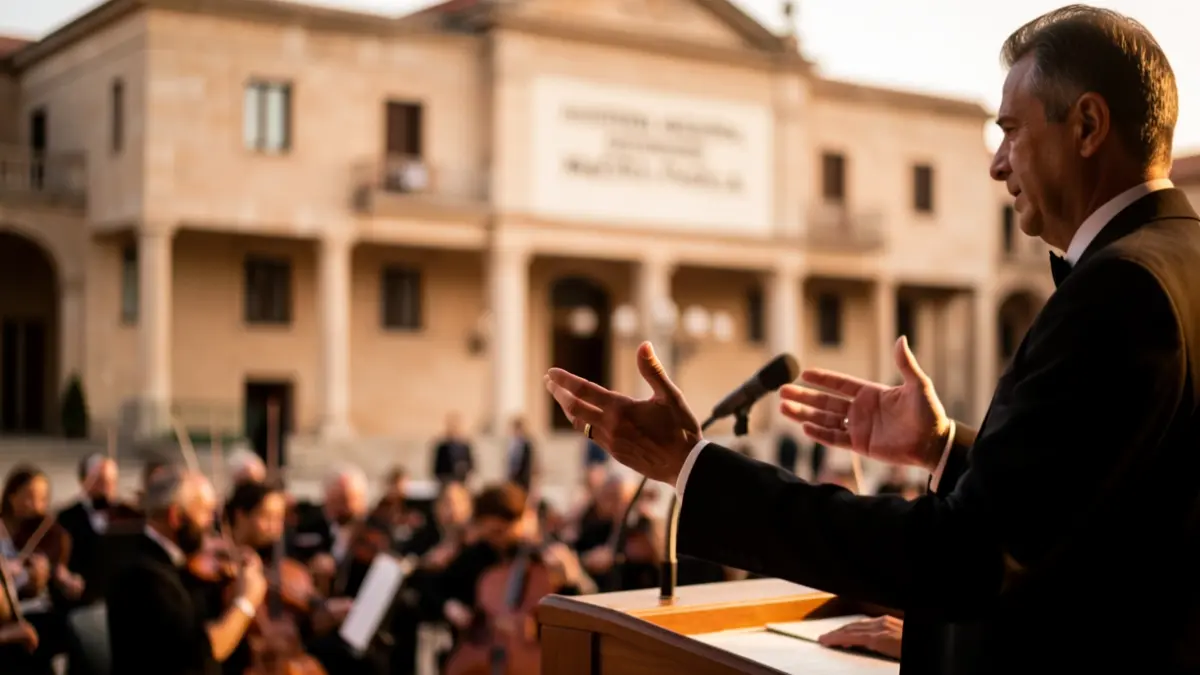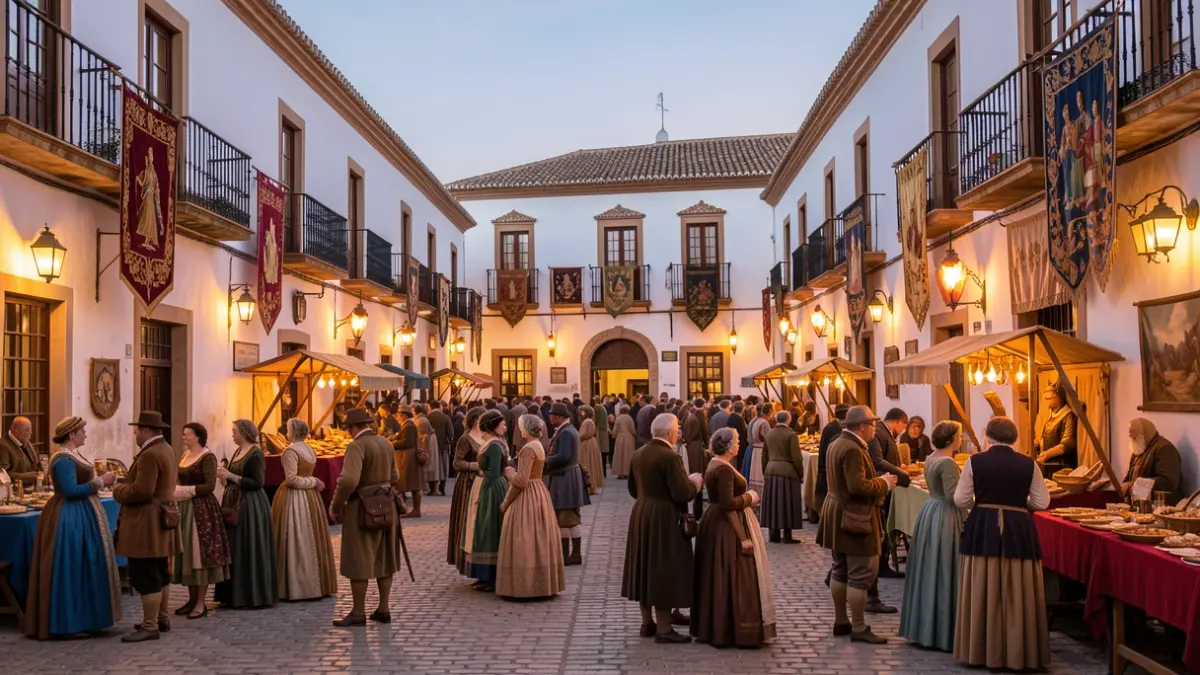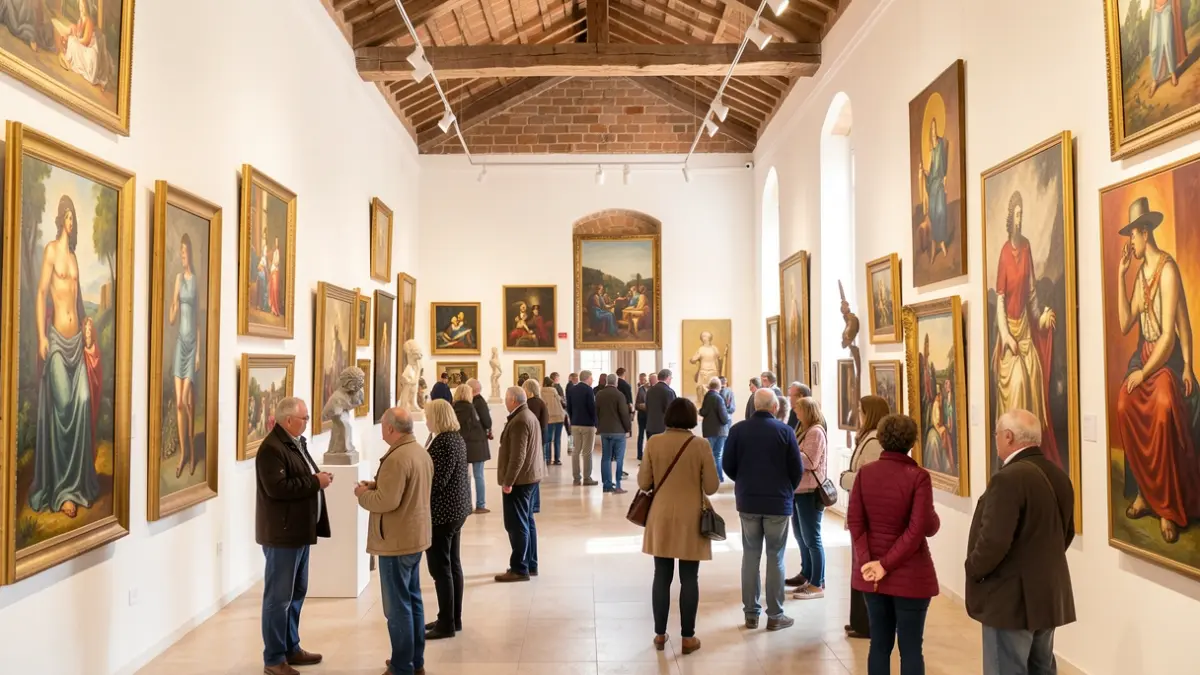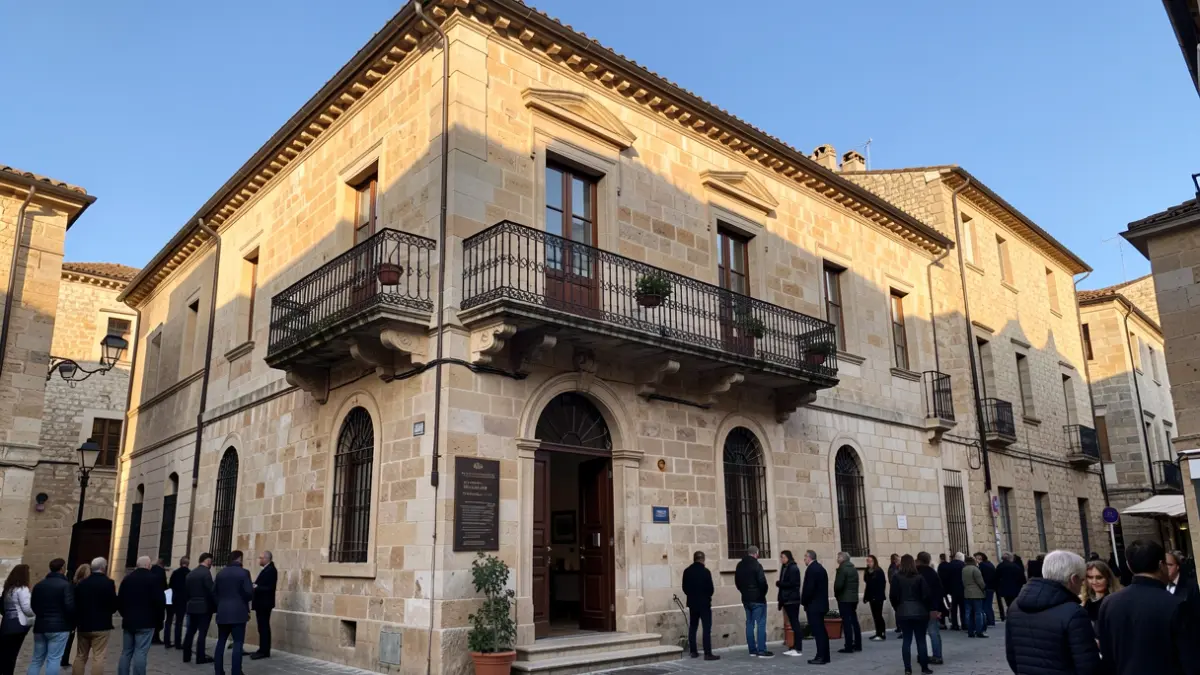
Music, dance, and the vibrant colors of traditional Almeriense clothing filled the Plaza de la Constitución in Almería last night. The 10th Almeriense Traditional Costume and Folklore Encounter, a well-established event at the Almería Fair, paid tribute to the city's roots. This event served as the closing act for the fair's activities dedicated to the local ethnographic history, which also includes a costume exhibition until August 29th at the Center for Heritage Interpretation.
Organized by the Area of Family, Inclusion, and Equality of the Almería City Council, the encounter combined performances by four folk groups with an educational presentation on traditional Almeriense attire from the 18th and 19th centuries. The event was attended by councilors Joaquín Pérez de la Blanca and Vanesa Lara, and was presented by Magdalena Cantero, president of the Casco Histórico de Almería Neighborhood Association. Antonia Ramírez Martínez, president of the Alcazaba Folk Group, also participated.
Before the performances, a moment of silence was observed in solidarity with a dancer from the Aduares de Breña Alta Folk Group (La Palma) who collapsed on stage during the 41st Almería International Folklore Festival. Thanks to the prompt use of a nearby defibrillator and subsequent medical attention, the dancer is currently hospitalized at the Torrecárdenas University Hospital.
Joaquín Pérez de la Blanca, Councilor for Tourism, Communications, and City Promotion, highlighted the encounter's importance in showcasing Almería's intangible cultural heritage. "Traditional attire, music, and dances tell us who we are, where we come from, and a way of life that we must not let disappear," he stated, emphasizing the municipal commitment to initiatives that bring the province's history and customs closer to residents and visitors.
“"Knowing our traditions does not mean only looking to the past, but preserving a part of our identity to project it into the future."
Collaborators in the encounter included the Villa Carmen Cultural Association, the Las Refajonas de Nijar Cultural Association, the Adarve del Río Women's Association of Huércal, Sones de Adama, Coros y Danzas Villa de Huécija, the association Indanza, and Coros y Danzas de Huéscar.
Performances featured Las Refajonas de Níjar, who revived the Fandango de Níjar; the Coros y Danzas de Huéscar Group (Granada), with a repertoire reflecting the region's diversity; Coro y Danzas de la Villa de Huécija, showcasing the traditions of this Almeriense municipality; and the Alcazaba Folk Group, focusing on the ethnography of Almería and Andalusia.
“"Our responsibility is to preserve the culture we have received, but also to teach it so that it can remain alive in the future. Folklore is not just about dancing and singing, but about knowing the history, the way of life, and the customs of our ancestors."
Researcher Mari Carmen Mateu, accompanied by Magdalena Cantero, detailed the characteristics of traditional Almeriense attire from the 18th and 19th centuries. The prominence of the women's 'refajo' (skirt) was explained, with regional variations (plain in the capital, horizontal stripes in Mojácar, vertical in Adra, or floral embroidery). The garment's name also varied (zagalejo, guardapiés, basquiña). Attire was completed with espadrilles, socks, shirts, aprons, bodices, scarves, shawls, jubones, and armillas. Men's attire included espadrilles, zaragüel (trousers), sash, shirt, vest, and the traditional 'catite' or 'calañés' hat.
The exhibition on historical Almeriense attire at the CIP, featuring four mannequins and 23 infographics, is open until August 29th. Additionally, members of folk groups participated in the Battle of Flowers last Monday dressed in traditional costumes.
The 10th Encounter reaffirmed the importance of knowing and recognizing the heritage that has shaped Almería, demonstrating that each dance, garment, and preserved custom is a piece of Almería's collective memory that must remain alive and proud.