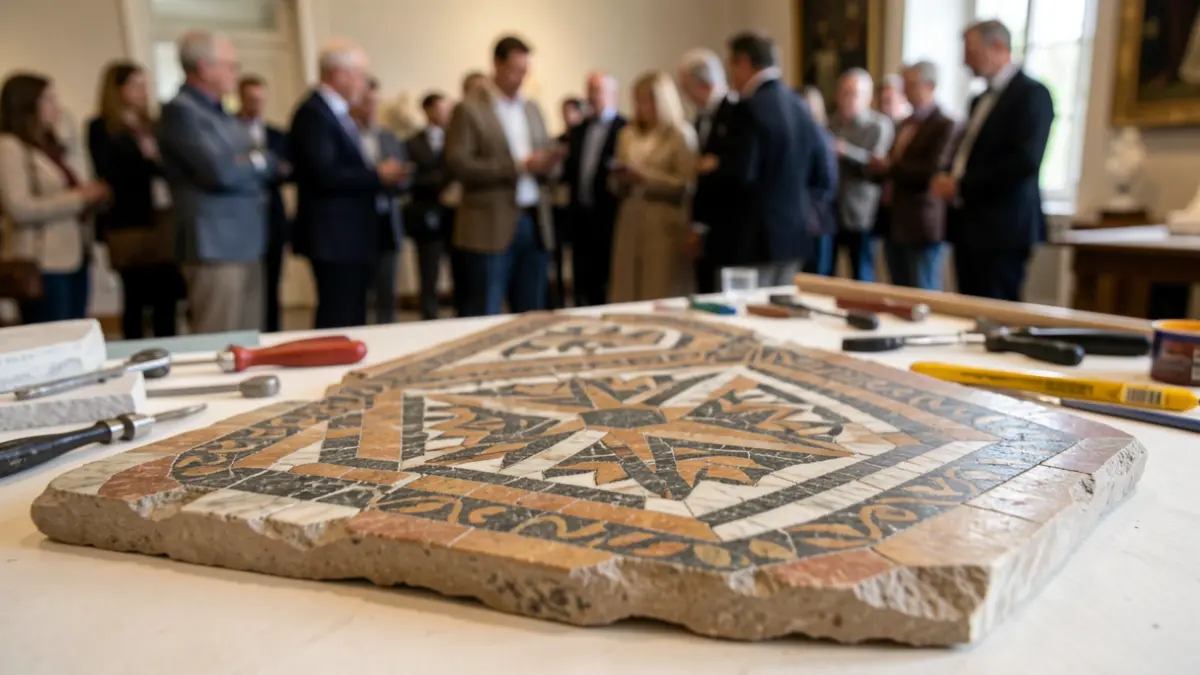
A total of four mosaics and one marble floor (Opus Sectile) have been successfully extracted. The intervention, described as technically complex, has caused a slight delay in the rehabilitation works of the Casas Consistoriales, but the archaeological outcome is satisfactory and ensures the preservation of these important heritage elements, according to Ángel Peña, delegate for Urbanism.
The restoration work is being carried out by municipal services, with the support of contracted specialized technicians. Once the process is complete, the pieces will remain under municipal custody until the building's rehabilitation advances.
The objective is to integrate all mosaics and the marble floor into the building itself. Their placement has been agreed upon by the project management, the Carvajal studio, the municipal technicians from the Urbanism department, and the Territorial Delegation of Culture, as anticipated by Peña.
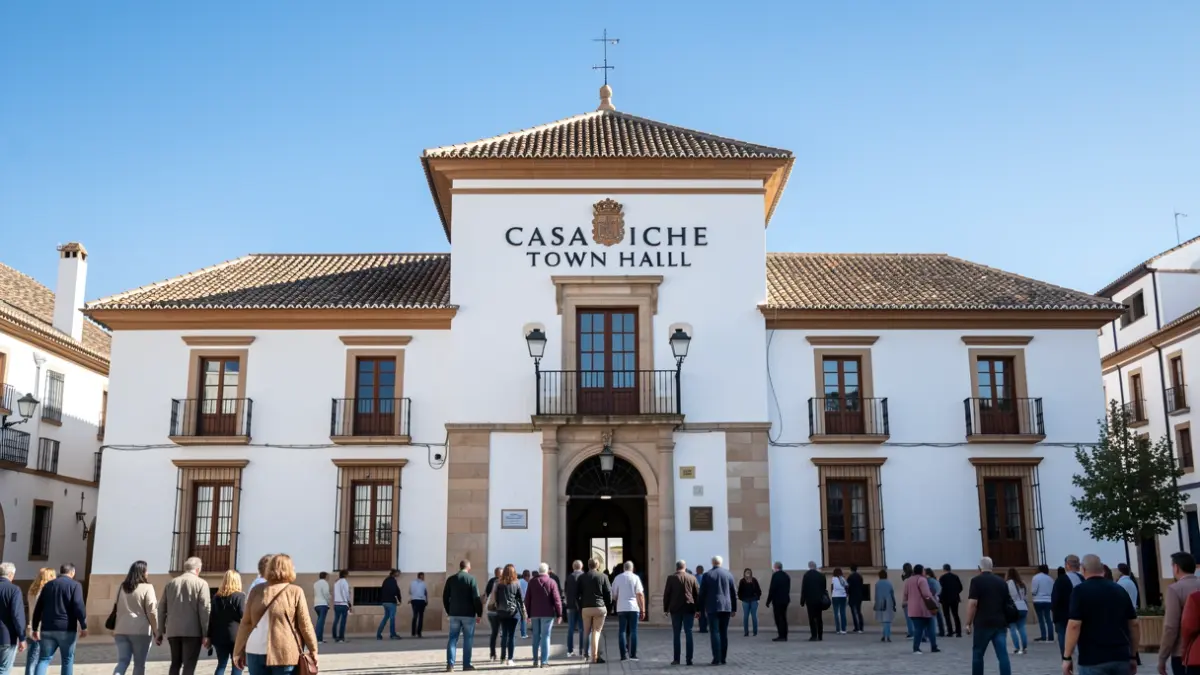
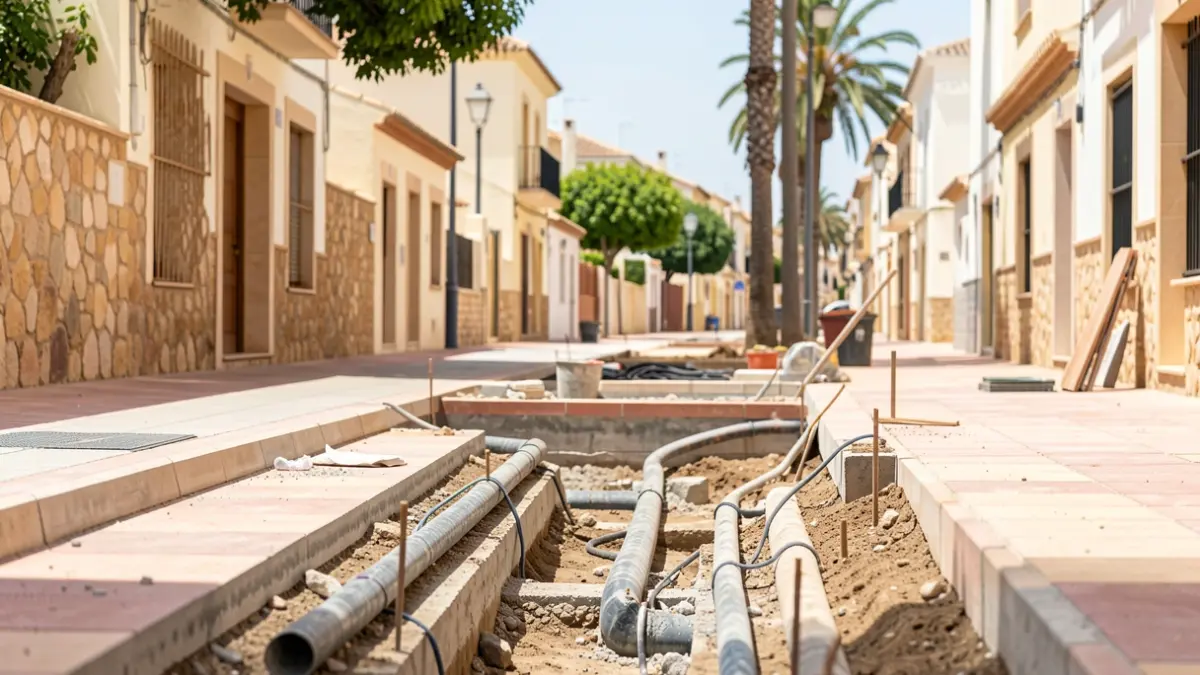
The completion of the excavation and archaeological extraction phase allows for the full resumption of works on the new Casas Consistoriales. The responsible company now has all the necessary approvals to continue with the project's execution.
During this period, the City Council has coordinated with the territorial delegations of Fomento and Culture regarding the destination and conservation of the discovered archaeological pieces, considered "authentic jewels" of the city's heritage.
With this stage concluded, the work now focuses on the construction and foundation of the basement for the new Casas Consistoriales. "In the coming months, the perimeter walls will begin to be erected, allowing citizens to see the progress and good pace of a strategic project for the municipality," explained the mayor, Silvia Heredia, who also expressed satisfaction with the project's evolution, stating that "the action is proceeding with all technical, administrative, and heritage guarantees".
The municipal archaeologist, Sergio García Dils, explained that after completing the field excavation phase, conducted between April and June, the archaeological project now faces a new stage focused on the conservation, restoration, and study of the recovered materials, including "various high-quality movable elements, among them ceramic tableware of special relevance".
In parallel, the technical team continues with the processing and study of the extracted materials. "To date, nearly 5,000 ceramic fragments have been processed and cataloged, along with other materials made of bone, metal, and various supports," concluded García Dils, noting that the work "is progressing according to the planned schedule and combines criteria of conservation, research, and valorization of heritage".