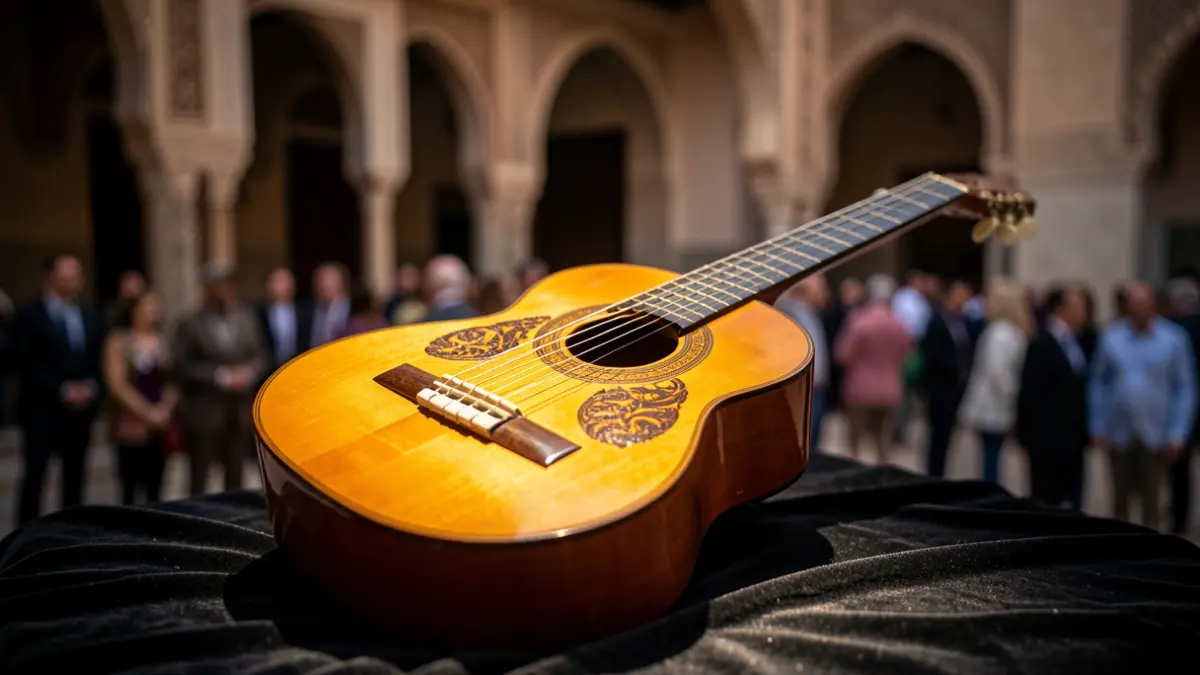
José Luis Lara Heredia, a businessman and music promoter, directs the Paco de Lucía Interpretation Center and vindicates the figure of the universal guitarist from Algeciras. Lara emphasizes that the artistic and human dimension of Paco de Lucía is still not fully understood by the general public, despite his deep respect for the profession and the opinions of fellow guitarists.
Lara recalls his first meeting with Paco de Lucía in 1982, a moment marked by a personal gesture from the artist. He describes the musician as a person of "impressive culture," with a command of English and a keen interest in various subjects, as well as an "extraordinary sense of humor" inherited from his mother, Lucía.
Reflecting on an imaginary coffee with Paco de Lucía, Lara would express pride in his children, the management of his legacy, and the work of the Paco de Lucía Foundation. He highlights the "fidelity" of his audience, which endures generation after generation, and reiterates that Paco de Lucía was "unique," without any competition.
As a promoter, Lara prefers to maintain a certain distance from artists he admires to "preserve the image" he has of them. He points out that the greatest difficulty in organizing shows lies not on stage, but in the "enormous amount of bureaucracy" and administrative demands, which require planning "many months in advance."
He considers artists to be "more difficult to convince" than public administrations. For Lara, flamenco is the "best antidepressant," capable of adapting to any mood and providing comfort in difficult times. Despite any financial losses he may have incurred as a private promoter, he states that "all the good that flamenco has given me more than compensates for any setback."
He listens to flamenco "practically every day" because it still moves him. If, in the future, someone were to ask who José Luis Lara was at the Paco de Lucía Interpretation Center, he would like to be remembered for his "honesty," his attempt to "contribute his bit to flamenco and to Algeciras," and his work in providing "opportunities for artists from this land," supporting the "magnificent generation" of singers, dancers, and musicians from the Campo de Gibraltar.