AlmeríaCádizCórdobaGranadaHuelvaJaénMálagaSevillaAlpujarra AlmerienseLos VélezComarca Metropolitana de AlmeríaFilabres-TabernasLevante AlmeriensePoniente AlmerienseValle del AlmanzoraBahía de CádizCampiña de JerezCampo de GibraltarCosta NoroesteLa JandaSierra de CádizAlto GuadalquivirCampiña de BaenaCampiña Sur CordobesaLos PedrochesCórdoba (comarca)SubbéticaValle del GuadiatoValle Medio del GuadalquivirAlpujarra GranadinaComarca de AlhamaComarca de BazaComarca de GuadixComarca de HuéscarComarca de LojaCosta GranadinaLos MontesValle de LecrínVega de GranadaEl AndévaloEl Condado de HuelvaCosta OccidentalCuenca MineraComarca Metropolitana de HuelvaSierra de HuelvaÁrea Metropolitana de JaénCampiña de JaénEl Condado (Jaén)La LomaSierra de CazorlaSierra MáginaSierra MorenaSierra de SeguraSierra Sur de JaénLas VillasComarca de AntequeraLa AxarquíaGuadaltebaCosta del Sol OccidentalMálaga Costa del SolNorormaValle del GuadalhorceSerranía de RondaSierra de las NievesAljarafeBajo GuadalquivirCampiña de CarmonaCampiña de Morón y MarchenaComarca de ÉcijaComarca Metropolitana de SevillaSierra Norte de SevillaSierra Sur de SevillaVega del GuadalquivirAlmeríaCádizCórdobaGranadaHuelvaJaénMálagaSevillaAlpujarra AlmerienseLos VélezComarca Metropolitana de AlmeríaFilabres-TabernasLevante AlmeriensePoniente AlmerienseValle del AlmanzoraBahía de CádizCampiña de JerezCampo de GibraltarCosta NoroesteLa JandaSierra de CádizAlto GuadalquivirCampiña de BaenaCampiña Sur CordobesaLos PedrochesCórdoba (comarca)SubbéticaValle del GuadiatoValle Medio del GuadalquivirAlpujarra GranadinaComarca de AlhamaComarca de BazaComarca de GuadixComarca de HuéscarComarca de LojaCosta GranadinaLos MontesValle de LecrínVega de GranadaEl AndévaloEl Condado de HuelvaCosta OccidentalCuenca MineraComarca Metropolitana de HuelvaSierra de HuelvaÁrea Metropolitana de JaénCampiña de JaénEl Condado (Jaén)La LomaSierra de CazorlaSierra MáginaSierra MorenaSierra de SeguraSierra Sur de JaénLas VillasComarca de AntequeraLa AxarquíaGuadaltebaCosta del Sol OccidentalMálaga Costa del SolNorormaValle del GuadalhorceSerranía de RondaSierra de las NievesAljarafeBajo GuadalquivirCampiña de CarmonaCampiña de Morón y MarchenaComarca de ÉcijaComarca Metropolitana de SevillaSierra Norte de SevillaSierra Sur de SevillaVega del Guadalquivir

Gibraltar: The Marinid Legacy on the Rock

Fortification and urbanization efforts in the 13th and 14th centuries transformed the Rock into a strategic stronghold.

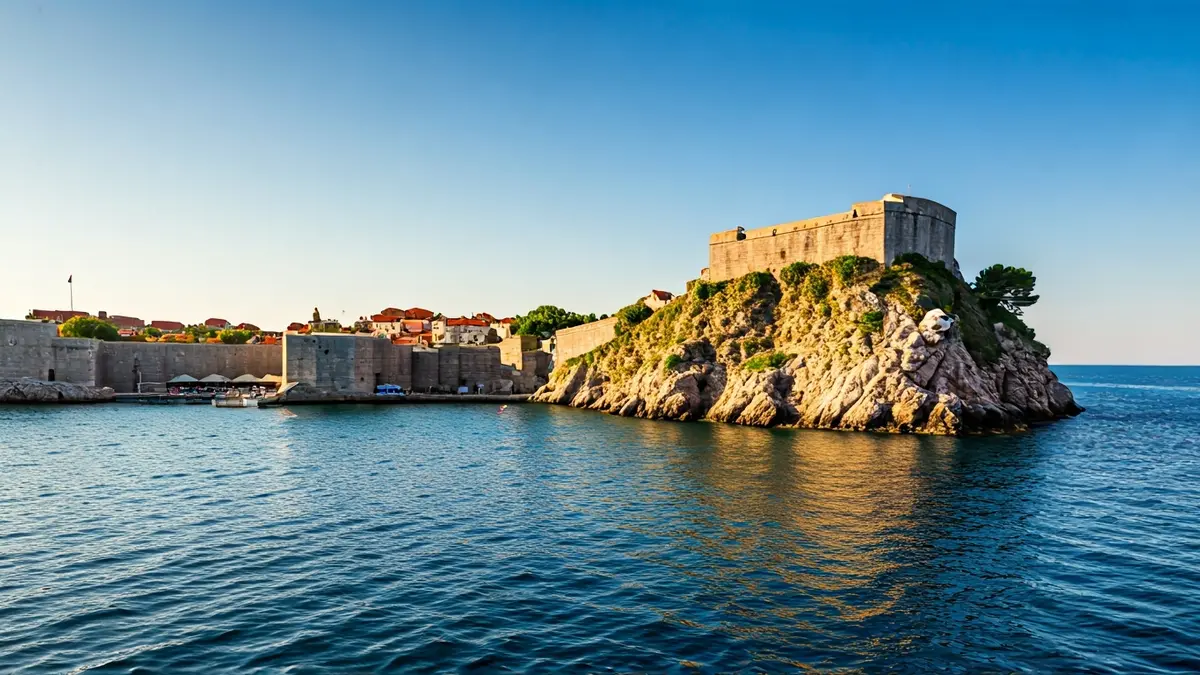
Image of the ancient Marinid fortifications in Gibraltar, with stone walls and sea views.
IA

Image of the ancient Marinid fortifications in Gibraltar, with stone walls and sea views.

During the 13th and 14th centuries, the Marinid dynasty solidified Gibraltar as a vital strategic point in the Strait, reinforcing its defenses and developing its urban structure with fortifications and public buildings.

Following the Almohad defeat at the Battle of Las Navas de Tolosa in 1212, the Almohad Empire began a rapid decline, leading to the emergence of the third Taifa kingdoms. In this context of fragmentation, the Marinids, a new power from North Africa with its capital in Fez, landed in Tarifa in 1275. They established a protectorate in the northern region of the Strait, encompassing cities like Tarifa, Algeciras, and Gibraltar, with the aim of confronting King Fernando III of Castile.
Although Gibraltar was under Marinid control from 1275-76, its initial defenses were not substantial. This allowed King Fernando IV of Castile, during the siege of Algeciras in September 1310, to order the capture of the city, which fell into Castilian hands. During the 23 years of Castilian rule, defensive improvements were limited to consolidating the enclosure of the Villa Vieja, erecting a maritime wall, and building a flanking tower.
The situation changed dramatically in 1333, when Prince Abdalmalik, son of Emir Abu l-Hasán of Fez, besieged and recaptured Gibraltar for the Marinids. Aware of the enclave's vulnerability, Abu l-Hasán launched an ambitious fortification program. Between 1342 and 1346, he ordered the construction of the imposing Calahorra Tower (now the Moorish Castle) at the highest point of the city, reinforcing the Almohad alcazaba. New walls were also erected, old ones were raised, and access gates to the city were fortified.
The construction of the coastal wall, extending from the shipyards to Punta Europa, was initiated by Abu l-Hasán and completed by his son, Emir Abu Inán, in the mid-14th century. This defensive expansion was crucial, especially after King Alfonso XI of Castile took Algeciras in 1344, making Gibraltar the last Marinid port in the northern Strait. Professor Ángel Sáez, in his book La Montaña Inexpugnable, highlights how these works transformed Gibraltar into an impregnable bastion, capable of resisting Alfonso XI's siege in 1349-50.

"He built the colossal tower (between the years 1342 and 1346) at the top of the fortress. That tower was previously a small watchtower that was destroyed by the stones of the trebuchets, and this one was built in its place."

Ibn Battuta · Traveler and chronicler
Marinid urban development was not limited to fortifications. Public and private buildings were constructed, including baths, mosques, and palace-houses. Although most of these edifices have not survived, the baths built by Abu l-Hasán, mentioned by the chronicler Ibn Marzuq, are preserved and house the city's museum on Bomb House Lane. These baths, due to their design and materials, are consistent with Marinid architecture in the Maghreb, suggesting their authenticity. King Muhammad V of Granada seized Gibraltar in 1374, and a century later, in 1462, Henry IV of Castile conquered the strategic city from the Nasrids.