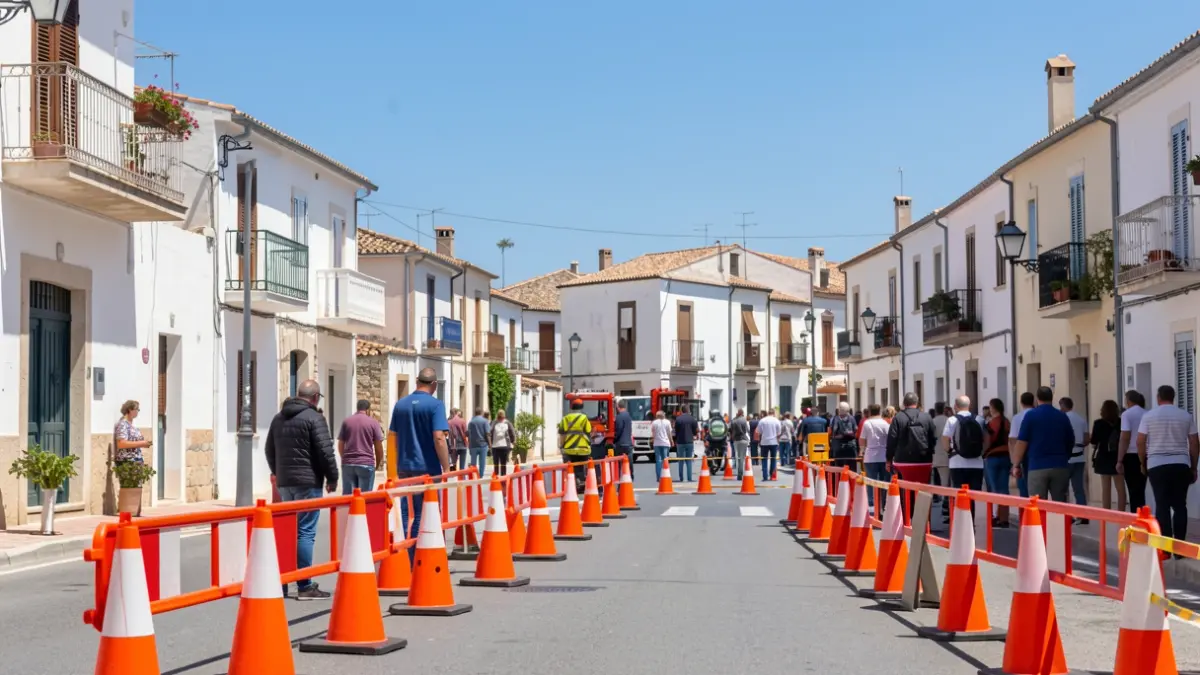
The operation was launched after Seprona received information about the potential presence of wild animals inside a property. Upon inspecting the dwelling, agents confirmed the existence of five large tortoises, all of which lacked individual identification and the necessary documentation to prove their legal origin and authorization for their keeping.
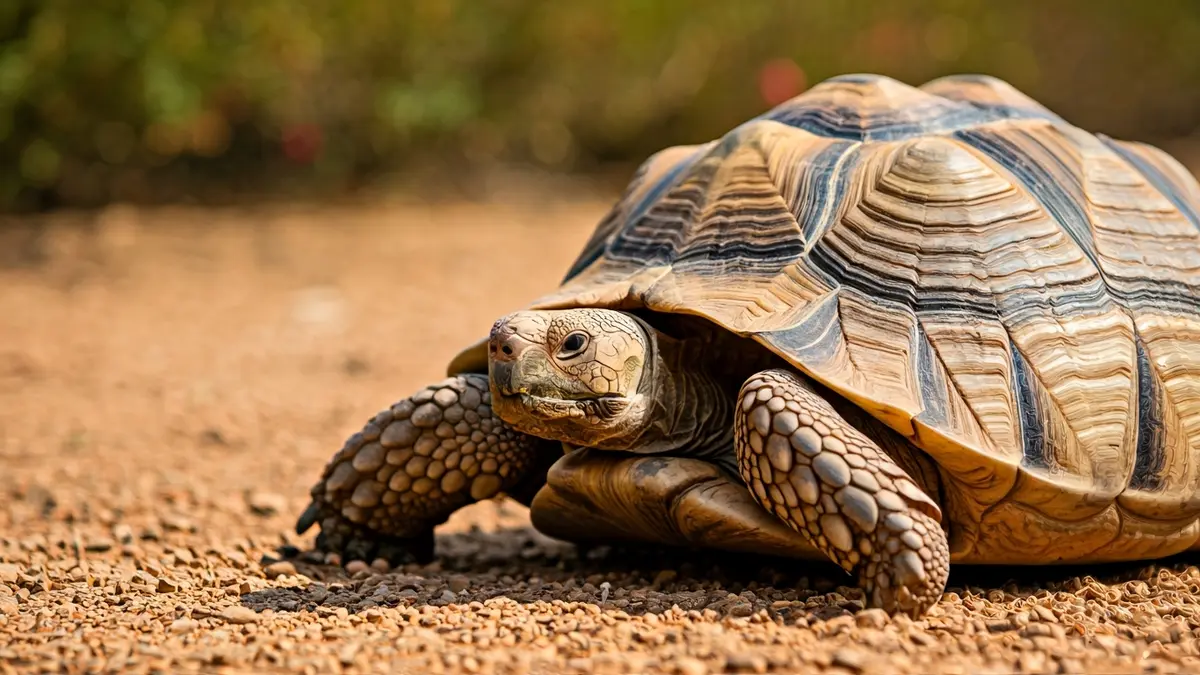
The African spurred tortoise (Centrochelys sulcata) is an exotic species whose possession and trade are subject to strict administrative control. This is due to the environmental and health risks that irregular ownership can pose. The lack of traceability regarding the origin of these specimens is a crucial factor in the fight against illegal wildlife trafficking and in the protection of biodiversity.
As a result of these events, the alleged perpetrator has been investigated for an alleged crime against flora and fauna. This species, native to the Sahel, on the southern edge of the Sahara Desert, is the third-largest terrestrial tortoise in the world, capable of reaching up to 80 centimeters in length and weighing 100 kilograms.
Its shell is light brown, with distinctive grooves that give it the name sulcata, derived from the Latin sulcus (wrinkle). Its strong legs feature voluminous scales and prominent spurs on the hind limbs, hence its common name. It inhabits dry and arid places such as acacia forests, grasslands, and savannas in countries like Mauritania, Senegal, Sudan, Chad, Niger, Mali, Ethiopia, and Eritrea.