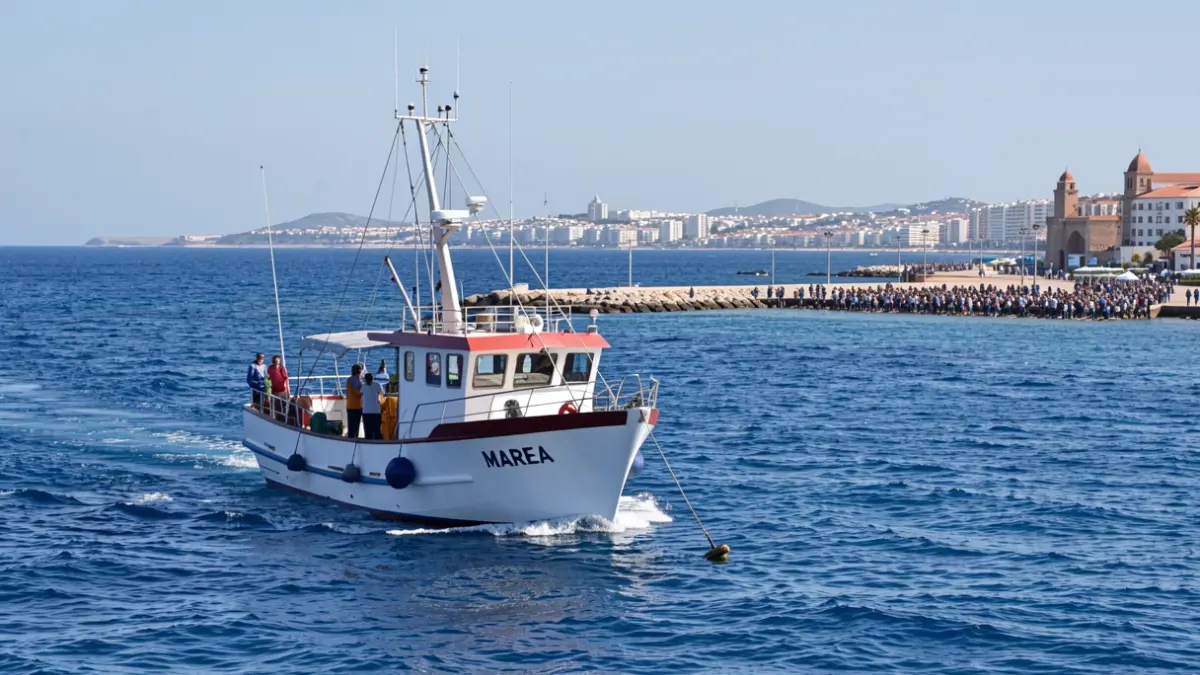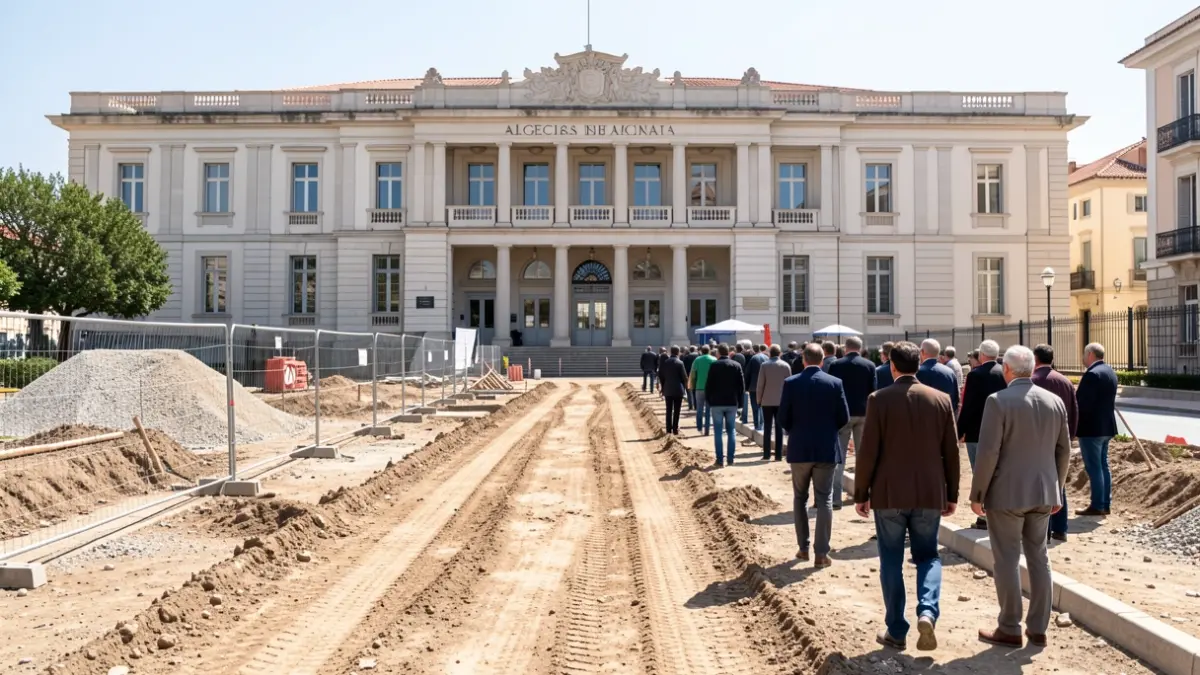
For an extended period, the ports of Algeciras and Tarifa, strategic points in southern Europe, became a primary route for drug trafficking. This situation was made possible by internal corruption, where a Civil Guard officer, whose duty was to ensure security at checkpoints, became a key player in the transit of tons of narcotics.
The officer did not act alone but had established a network of complicity within the Cádiz port facilities. Several agents turned a blind eye in exchange for financial compensation. The convicted officer was responsible for coordinating operations, receiving payments from the criminal organization, and distributing them among other involved parties, in addition to providing sensitive information such as shift schedules.
This system allowed trucks loaded with cocaine, hashish, and marijuana to pass with alarming ease. The drugs were distributed both in Spain and other European countries, within a hierarchical structure with a defined leader and a network of distributors operating with great speed and efficiency. The investigation also revealed that Marbella was a fundamental hub for the plot, where key meetings were held, investments were channeled, and agreements with intermediaries were finalized, solidifying the city's role as a strategic point in the criminal enterprise.
To launder the money obtained from bribes, the officer used his sister as a front. An property was acquired in her name, financed with illicit funds through cash deposits for the purchase, mortgage, and various renovations. The National Court found it proven that both introduced significant amounts of black money linked to drug trafficking into the legal circuit, detailing sustained activity over years during which the Civil Guard officer received substantial sums for allowing the passage of shipments.
The sentence condemns the main accused to four years in prison, while his sister must serve three years. Additionally, the officer has been disqualified for a decade from any public employment or office. The court has also ordered the confiscation of assets acquired with illicit money, including a home and several vehicles, which will become state property.