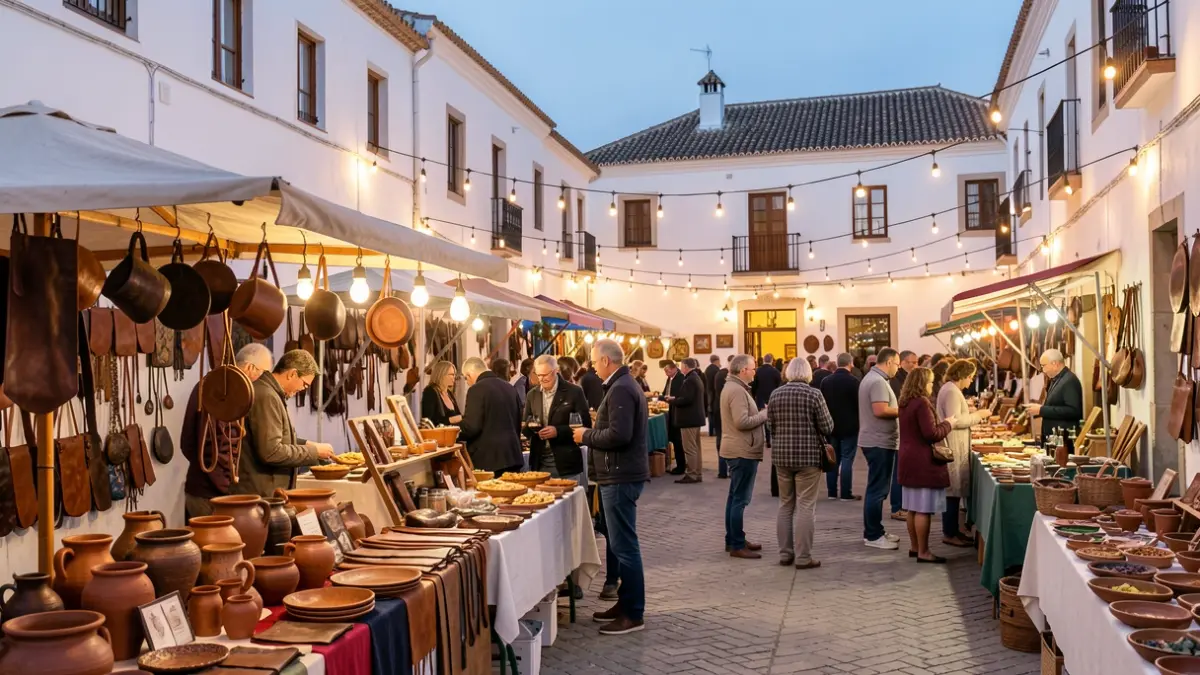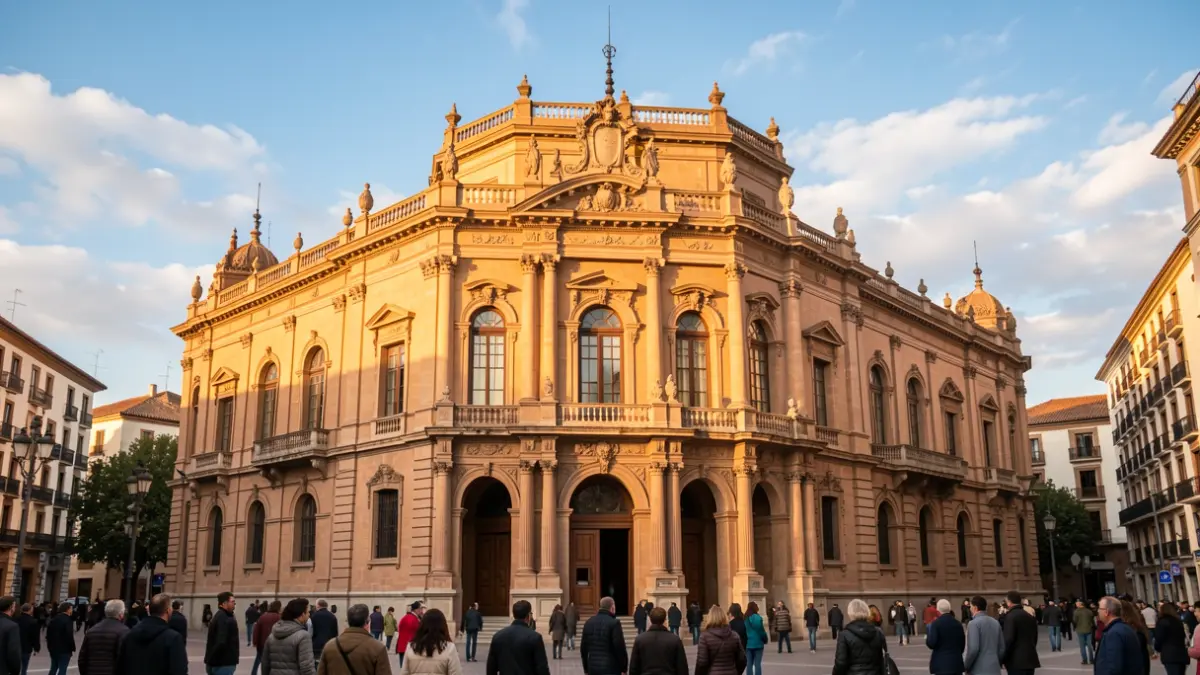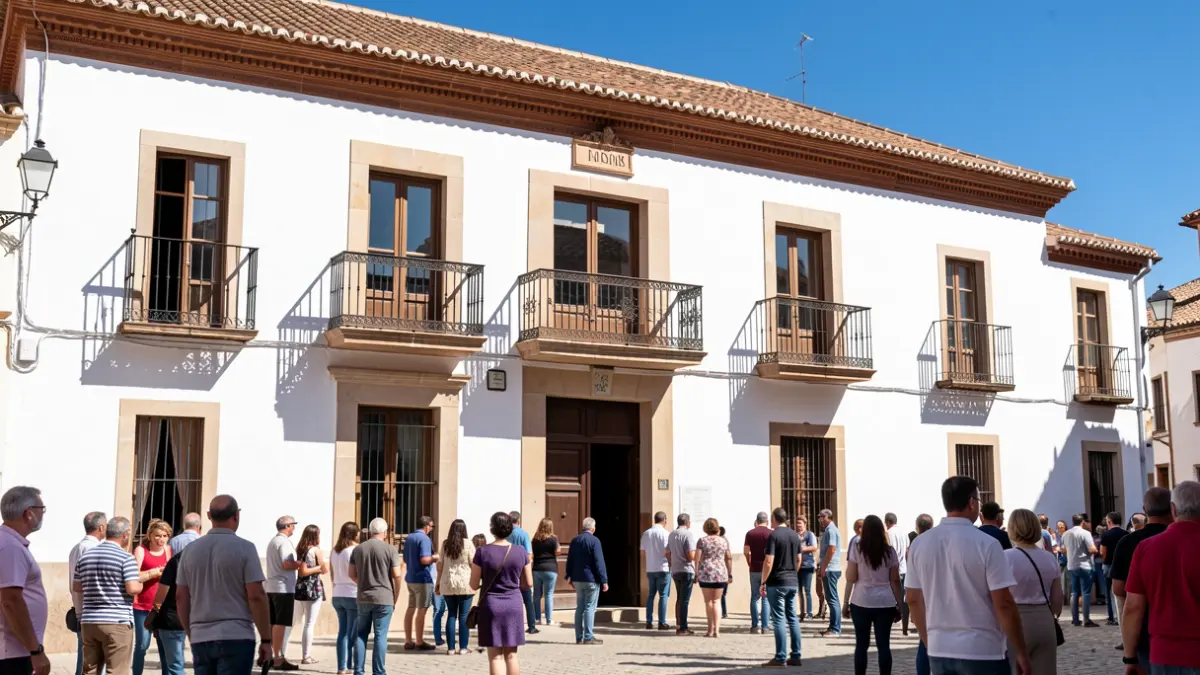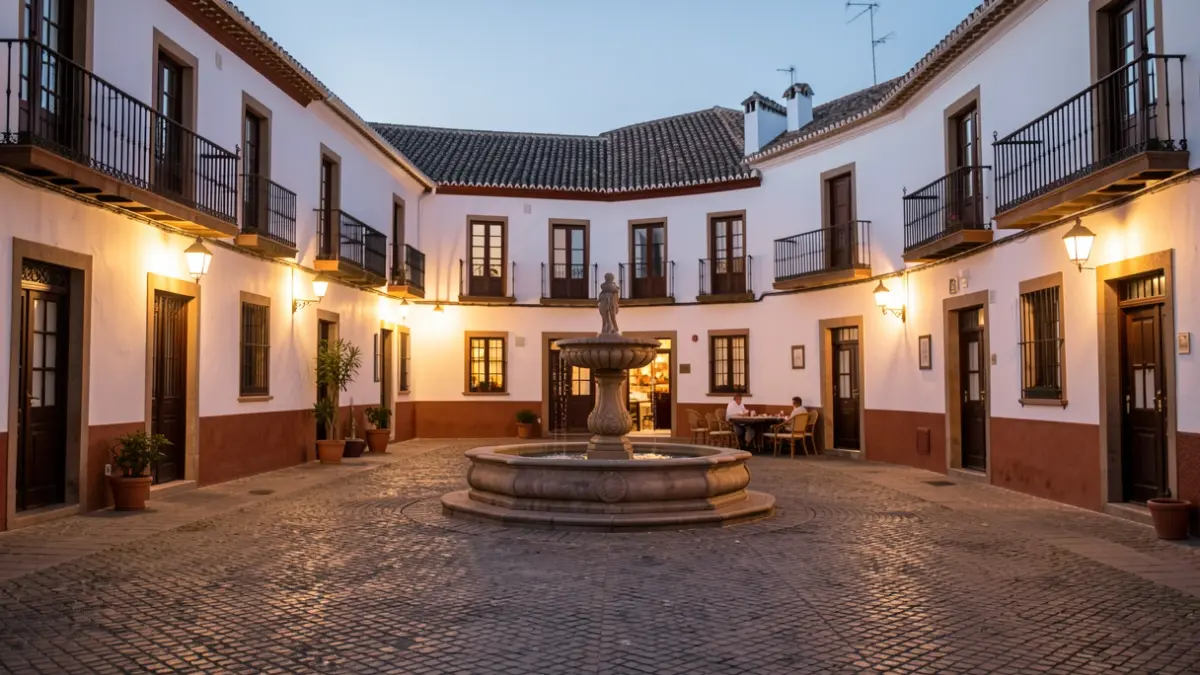
The initiative, promoted by the Department of Festivals and with the collaboration of the Peña Flamenca El Lucero and the Provincial Council of Córdoba, aims to bring flamenco closer to the general public and enhance the beauty of Montilla's urban settings as cultural stages.
The cycle will feature four free performances, all scheduled for 10:00 PM. The first event will take place on August 6th in the Plaza de la Merced, with Adrián Lomas on vocals and Curro Cruz on guitar. On August 13th, Llano de Palacio will host Marm Herencia, again accompanied by Curro Cruz.
The third evening will be held on August 20th in the Plaza de la Rosa, featuring guitarist Juan Manuel Muñoz «El Tomate». The cycle will conclude on August 27th in the Plaza Rafael Pérez Tejada «Niño Ríos», with guitarist Francisco Prieto «El Currito».
The Councilor for Festivals, Miguel Sánchez, highlighted that the proposal seeks to «bring flamenco closer to our residents and visitors, taking it out of conventional stages to bring it to the heart of the city: our squares». He emphasized that turning these spaces into stages «means making flamenco a unifying element of the territory, bringing culture to all neighborhoods and valuing our public spaces as places for meeting and coexistence».
Sánchez also highlighted the heritage value of flamenco as «a hallmark of Andalusia and a universal legacy recognized as Intangible Cultural Heritage of Humanity», emphasizing the responsibility to «preserve it, disseminate it, and make it accessible to new generations».
The municipal official praised the artistic quality of the lineup and the intimate format of the cycle, which allows the audience to «enjoy the emotion of singing and guitar in a unique atmosphere, surrounded by the heritage and beauty of our squares».
Finally, he encouraged citizens to participate in the four scheduled events, inviting them to «enjoy these summer nights with the best flamenco, discovering each concert in a different space and making Montilla a great open-air stage where tradition, heritage, and culture go hand in hand».