Thanks to the research of Adolfo Rodríguez Rivero, municipal archivist, it has been possible to reconstruct how Holy Week was experienced in Jerez de la Frontera more than two centuries ago. His article, titled “Memories of a Century. Holy Week Festivities in Jerez, in 1818,” offers a unique perspective on the regulations imposed on citizens during those days of contemplation.
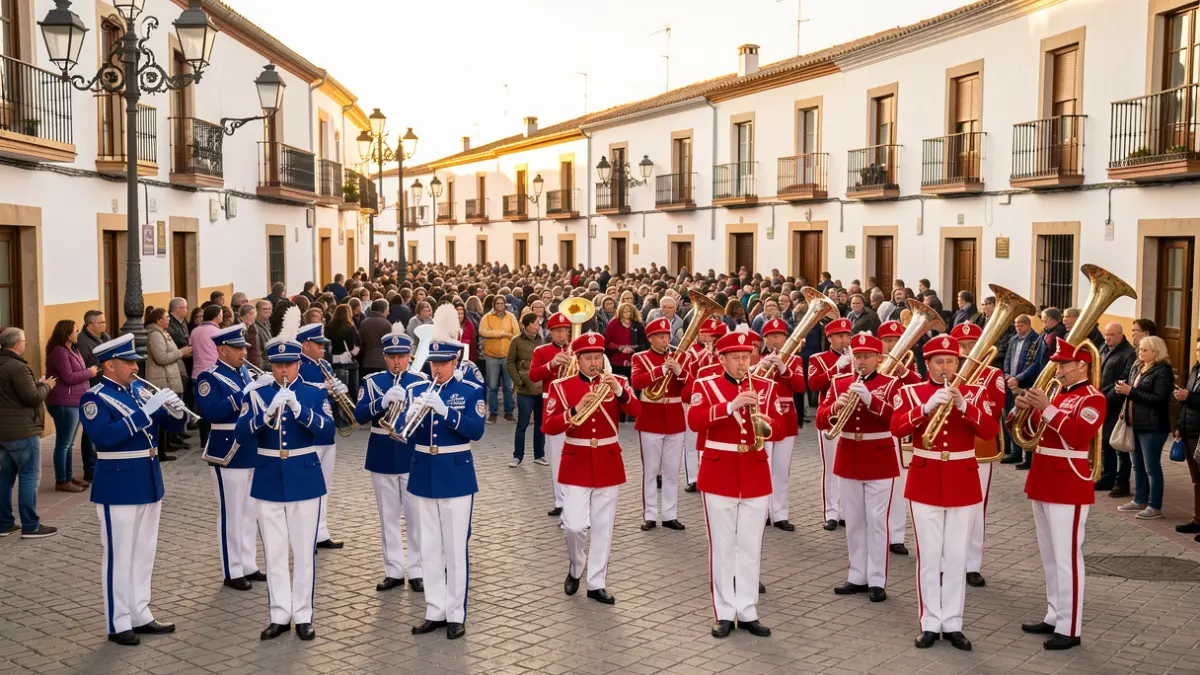
Among the most notable provisions was the explicit prohibition of practices such as flagellants and impaled individuals, considered inappropriate for the solemnity of the celebration. This measure, which had precedents in a Royal Provision of 1777, sought to ensure an atmosphere of respect and devotion. Music was also strictly regulated, allowing only devout, sorrowful, and pious marches, which had to accompany the chants of the Miserere or the Stabat Mater. Even the way beggars requested alms was subject to rules, requiring moderation and a devout tone in their voices.
The restrictions were not limited to religious acts but also affected daily life. A curious prohibition prevented men and women from ascending to Calvario together during the early morning of Good Friday to pray the Via Crucis, likely to avoid situations deemed improper. Likewise, the holding of raffles inside or outside churches was forbidden during Wednesday, Holy Thursday, and Good Friday, aiming to maintain the solemnity of the temples and their surroundings.
The authorities of 1818 also concerned themselves with public order at night. At the call to prayer, all taverns, mistelerías, pastry shops, and inns were ordered to close during the nights of Holy Thursday and Good Friday, seeking to prevent disturbances. Furthermore, the installation of food and liquor stalls in streets and squares, as well as their itinerant sale, was prohibited, reflecting an attempt to control commercial activity to foster an atmosphere of contemplation and respect during Jerez’s Holy Week more than two centuries ago.
These rules, along with the information provided by Enrique Solano González on the history of Holy Week in Jerez from the late 18th century until the Second Republic, also preserved in the Municipal Archive, allow for an understanding of the rich history and deep roots of this celebration in the city.