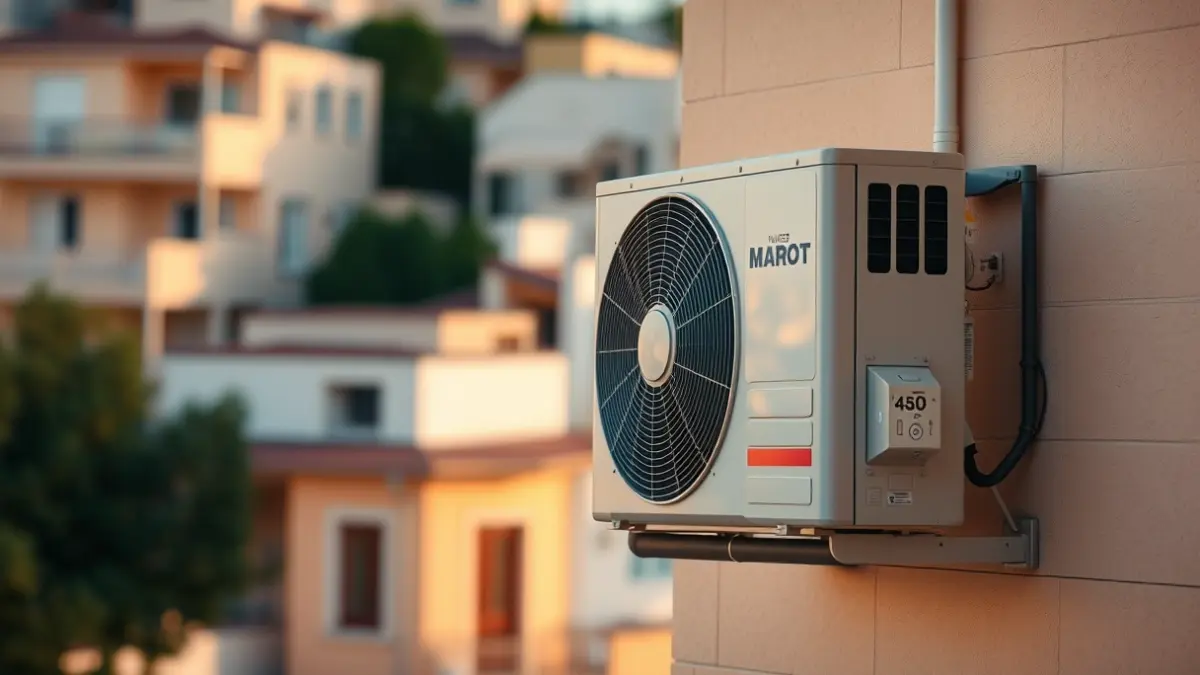
With the arrival of hot weather, many owners consider installing air conditioning systems but are unaware of the legal implications. Current regulations are clear: any alteration to the external elements of a property, such as the facade, requires the consent of the community of owners to avoid violating the law and causing conflicts.
Article 7 of the Horizontal Property Law allows owners to make changes to their homes, provided they do not affect the building's safety, general structure, configuration, or exterior appearance. This point is crucial for air conditioning units placed on facades, common patios, or any visible area of the property.
“"Provided that the unit is installed in a private area that does not alter common elements of the community."
The facade is considered a common element of the building, so its modification without authorization can lead to a demand for the unit's removal and restoration of the original state, with the owner bearing the costs. If the owner refuses, the community can resort to the courts, where jurisprudence often supports the community if an unauthorized alteration is proven. In addition to aesthetics, factors such as noise, vibrations, or drips can strengthen legal actions.
There are exceptions to this prohibition, such as installation in private areas for exclusive use that do not affect common elements or modify the building's exterior, like certain interior patios or non-visible terraces. However, experts advise reviewing community statutes, consulting municipal regulations, and submitting the installation to the neighbors' criteria to avoid future problems.