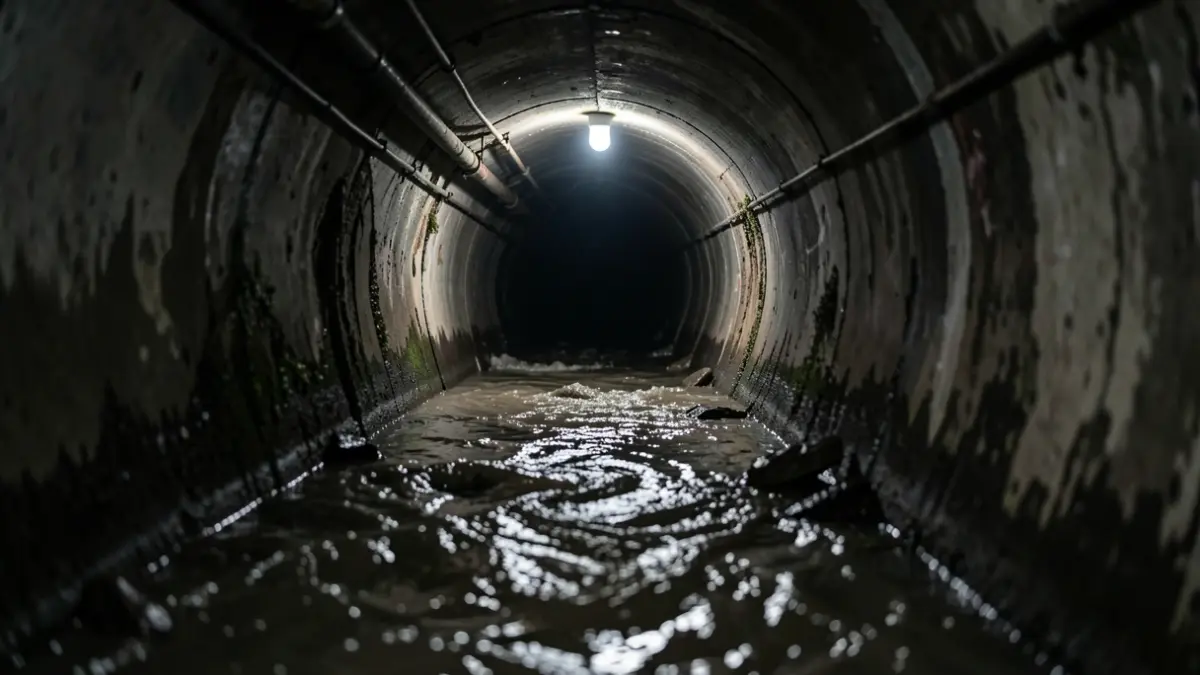
Sewer systems, commonly known as cloacas, are essential underground infrastructures for modern urban life. Their primary function is the collection and transport of domestic, industrial, and rainwater for subsequent treatment or discharge, thereby preventing floods and the spread of diseases.
Although rarely visible, the proper maintenance and functioning of sewer systems are fundamental for public health and environmental protection. Deficient or saturated infrastructures can lead to serious consequences, from bad odors and sanitation problems to the contamination of aquifers and aquatic ecosystems.
The management of sewer systems involves complex engineering processes and constant maintenance to ensure their efficiency and durability. Investment in these networks is a priority for local administrations, which seek to guarantee the quality of life for their citizens and the sustainability of cities.