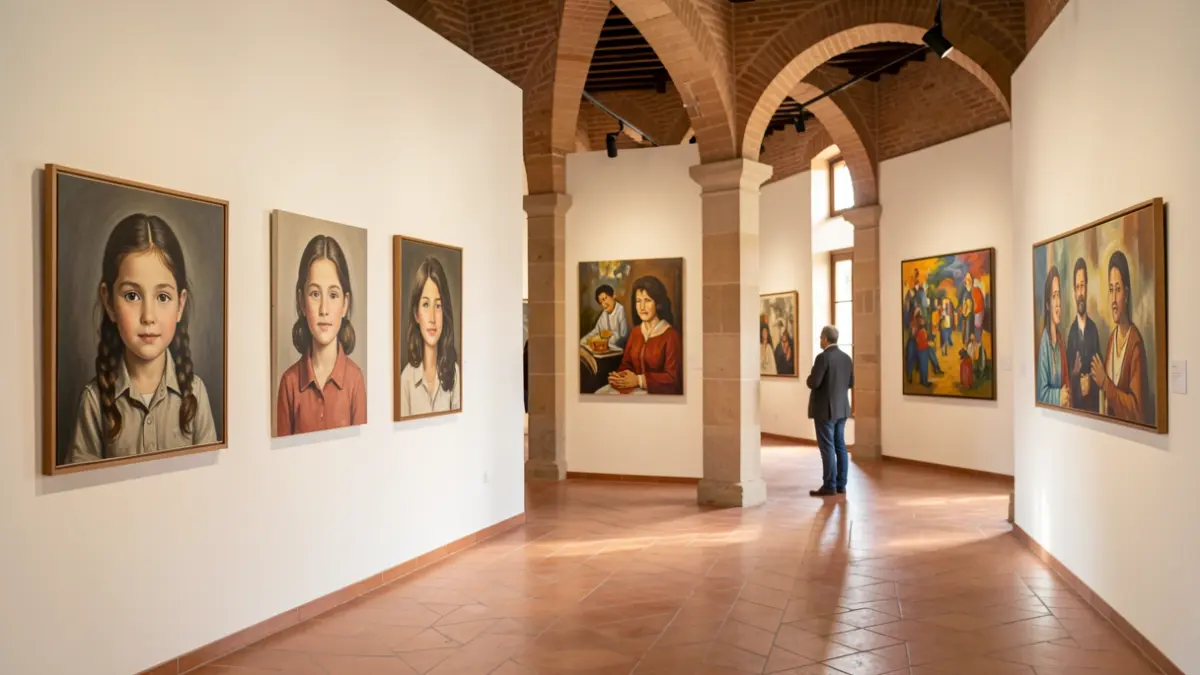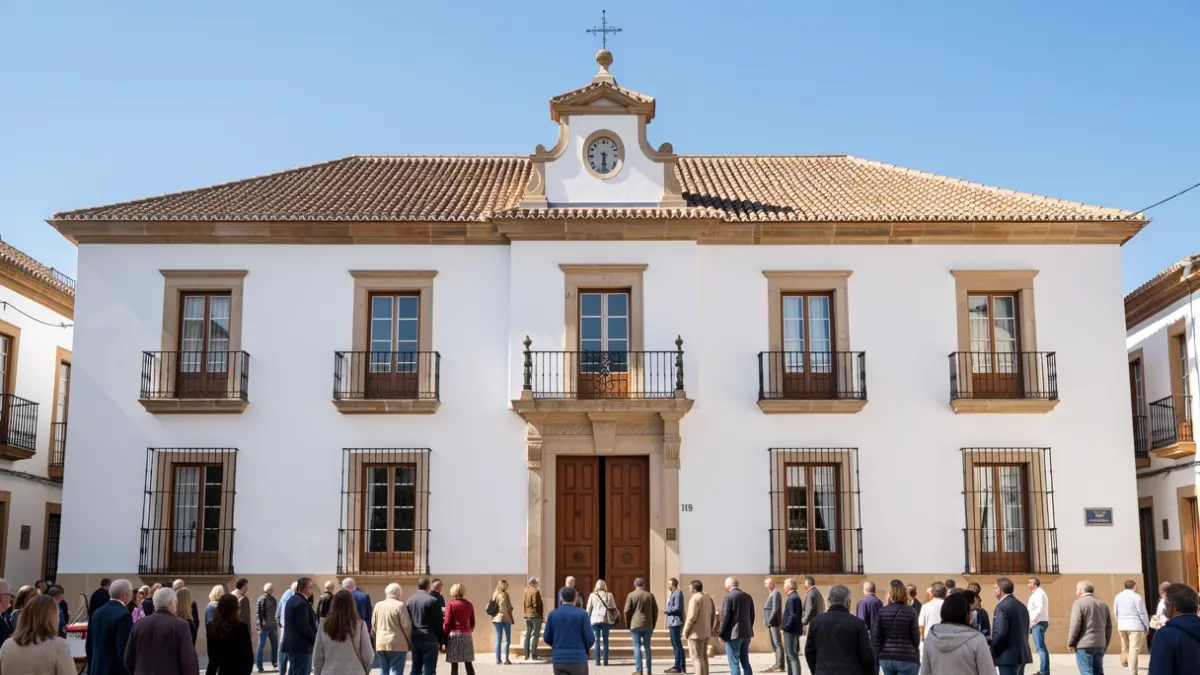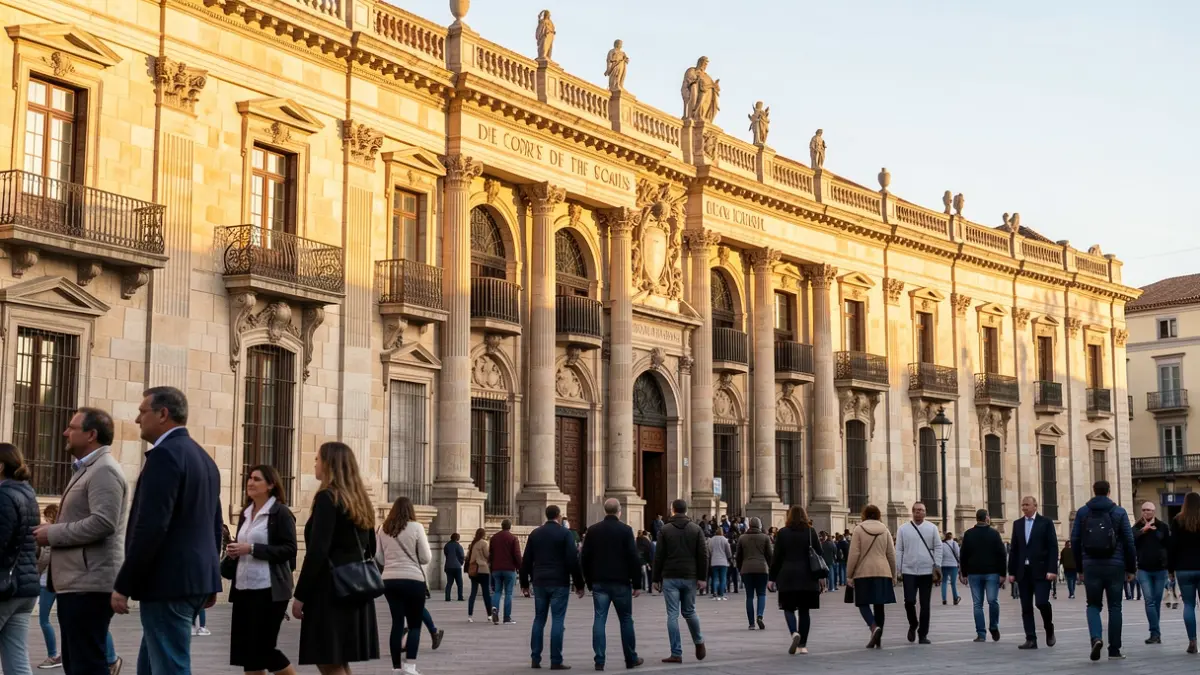
After a closure of nearly three months, the Municipal Museum of the Cortes of Cádiz reopened its doors this Wednesday, July 1st. The closure, initially planned for two to three weeks due to leaks from heavy rains, was extended for necessary maintenance and improvement works.
The reopening of the center on Calle Santa Inés brings new museum resources aimed at enriching the visitor experience and expanding knowledge of the 18th-century Model of Cádiz. Culture deputy mayor, Maite González, and center director, Fátima Salaverri, highlighted the interest in maintaining visitor numbers.
As a main novelty, a series of 3D replicas of emblematic pieces from the model have been incorporated, created by the company El Dorado (Jessica Gil, Juan José Cabello, and Ramón Nuñez). These reproductions, which maintain even the details of irregularities and fractures of the original, are accessible for public manipulation and examination, encouraging visitor interaction.
In addition to this educational resource, which will be complemented in September by a tactile and interactive table about the complete model, the museum presents a significant donation from Miguel Ángel García-Agulló Bustillo. This generous contribution includes engravings of Cádiz views and city maps from the 16th to 18th centuries.
The model replicas and the donated engravings are exhibited together, creating a timeless dialogue. In the same hall, an audiovisual loop plays the process of cleaning and restoration of the Cádiz Model. Among the replicated buildings are the Cathedral of Cádiz, the Customs House, the Hospital del Rey y Real Colegio de Cirugía, the Oratory of San Felipe, and the church with the Plaza de San Antonio.
The observation walkways for the model have been reinforced, and interventions have been made to the enclosure and painting of the hall walls, which were affected by water leaks. An explanatory panel has been added about Salvador Viniegra's painting, 'The Proclamation of the Constitution of 1812', and the maps from García-Agulló's donation are displayed. These maps are by renowned French, Dutch, English, and Italian engravers such as Nicolás de Fer, Abraham Ortelius, Joannes Blaeu, Jacques Chereau, and Ana Van Beek.
The Culture councilor indicated that these new resources do not rule out the possibility of moving the model to a more suitable space in the future, although its relocation will be carefully considered as it is one of the museum's main attractions. The Baluarte de la Candelaria is mentioned as a potential destination. The museum will be a key feature in the upcoming edition of 'Orgullos@s de Nuestra Historia', dedicated to the 'Emporium of the World (1493-1804)'.