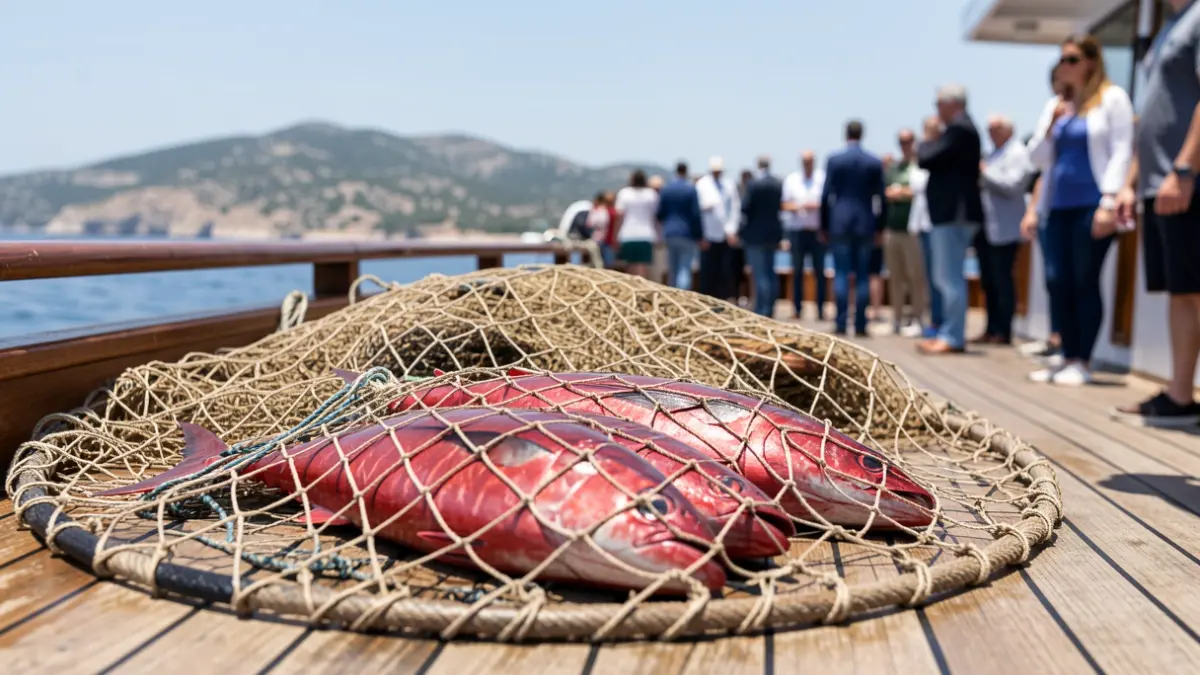
The Ministry of Agriculture, Fisheries and Food has authorized an allocation that includes boats that incidentally catch red tuna specimens while carrying out their usual fishing activities. Nationally, this measure covers over 6,000 vessels with a total quota of 233.92 tons.
The regulations establish limits per vessel and day, allowing the retention of a maximum of one specimen per trip or one fish per boat per day if the trip is shorter than a full day. Vessels must comply with fishing control and monitoring obligations. This authorization focuses exclusively on accidental catches and does not permit these boats to direct their main activity towards red tuna fishing.
This resolution follows the recovery of red tuna populations and the increase in fishing possibilities allocated to Spain for 2026. The aim is for part of this increase to benefit fleets that, while not primarily targeting red tuna, may catch them incidentally.
“"The inclusion of the Cadiz fleet is an opportunity for the province's fishermen, especially for those boats that register accidental catches while working with other species."
The socialist leader highlighted that the measure opens new possibilities for the activity of Cadiz's ports and coastal municipalities, and stressed that the recovery of red tuna should positively impact fishing towns, always under strict conservation controls.
The province of Cadiz has a historical connection with red tuna, particularly through ports like Barbate, Conil, and Tarifa, and traditional systems such as almadrabas. Species conservation and maintaining fishing activity must go hand in hand, according to the socialist official, who emphasized the need for catch limits and monitoring to ensure long-term resource utilization.
The PSOE of Cadiz believes this regulation can be beneficial for the provincial fleet and related municipalities, especially in the Gulf of Cadiz. It also calls for the province to maintain an active presence in decisions regarding fisheries and marine resources, given the importance of its ports and traditional activities.