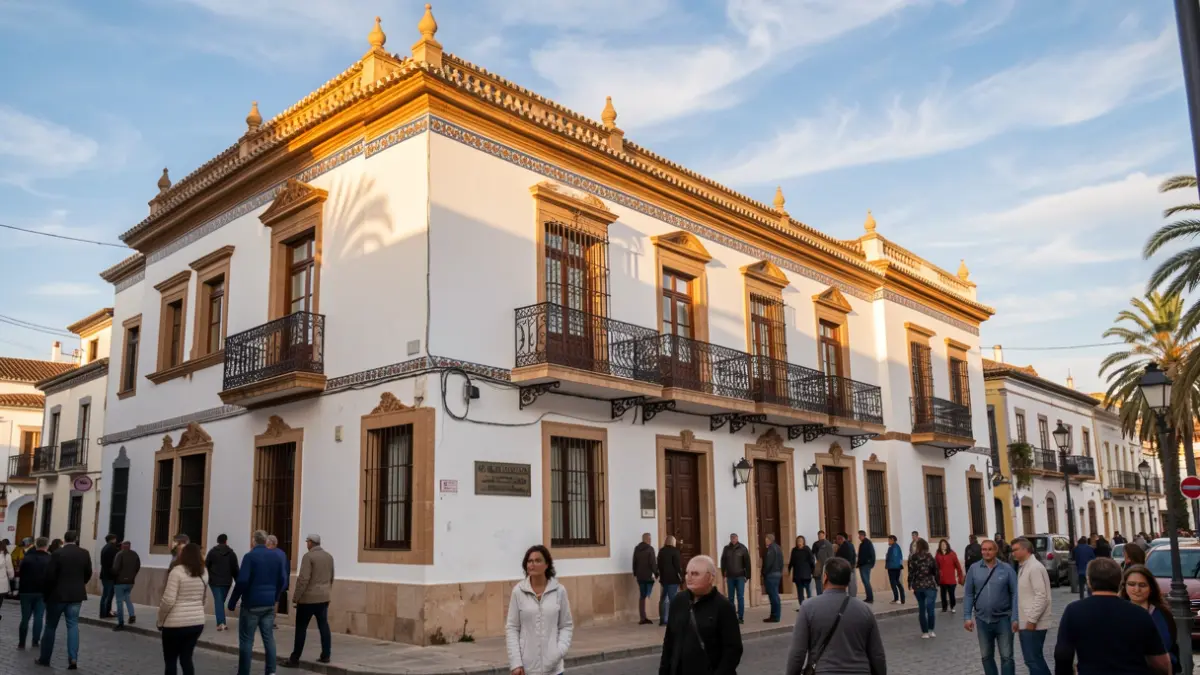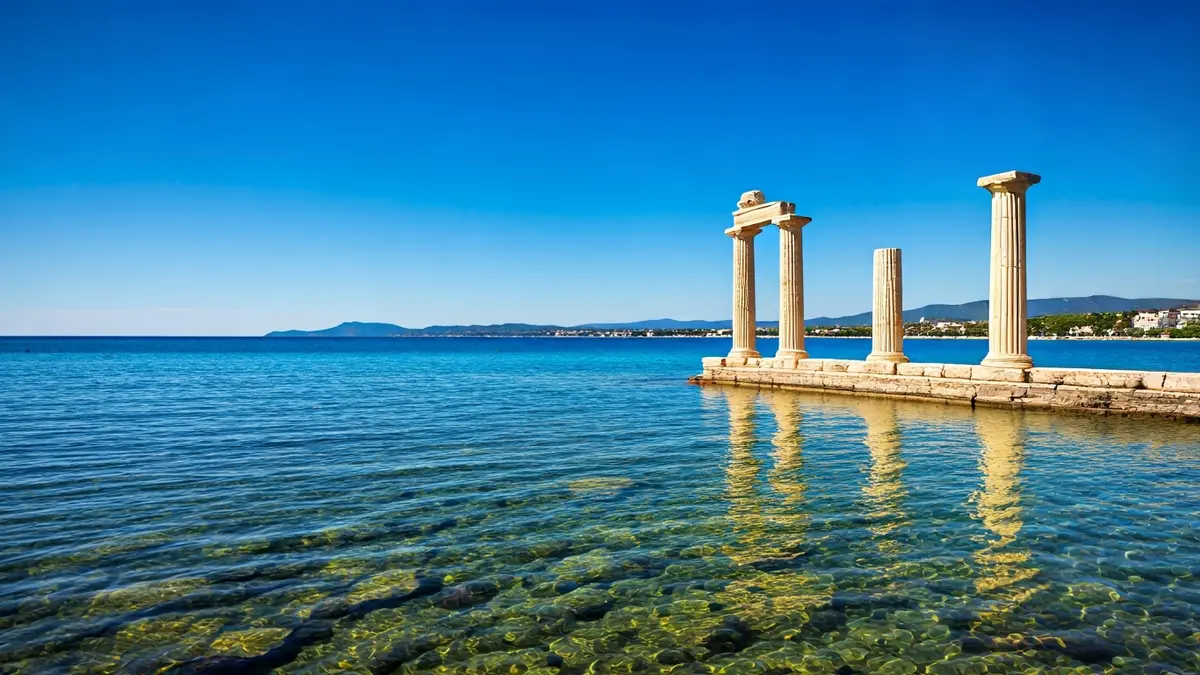
The Herakleion Project is organizing a scientific meeting to be held on April 16 and 17 at the Auditorium of the Congress Center. Titled 'Herakleion Project. New methodologies for the investigation of the heritage of the Sanctuary of Hercules', these sessions will cover the project's foundations and the innovative techniques used in the search.
This initiative, a collaboration between the San Fernando City Council, the University of Cádiz, and the University of Córdoba, aims to locate the historic sanctuary of Melkart-Hercules. Despite its significance in classical sources, its precise location remains unknown.
The research relies on non-invasive geodetection methodologies, which allow for subsurface analysis without the need for excavation. These cutting-edge techniques are being applied in strategic locations such as Camposoto, the islet of Sancti Petri, and the Cerro de los Mártires, where the main hypotheses regarding the temple's location are concentrated.
The conference will explore topics such as ancient communication routes, the historical evolution of the sanctuary from Phoenician to Roman times, and new strategies for digitalization, dissemination, and cultural marketing linked to the project. Additionally, an exhibition has opened at El Patio de Real 63, offering the public an accessible overview of the research's progress and techniques. The exhibition will run until April 30, 2026.
“"The precise location of this sanctuary is not known and is not easy to determine. It is a difficult historical problem to solve, but we are firmly committed to doing so with academic rigor."
The presentation event was attended by Pepa Pacheco, Councillor for Culture; Lázaro Lagóstena, professor at the University of Cádiz and project coordinator; and Jorge Cepillo, researcher from the Geodetection Unit. Councillor Pacheco highlighted the importance of the discovery for San Fernando, while Professor Lagóstena emphasized the complexity of the challenge and the collaboration of the City Council.
Researcher Jorge Cepillo detailed the exhibition's informative approach, designed to bring scientific advances to the general public using clear and accessible language, highlighting the importance of non-invasive geophysical techniques and methodological innovation.