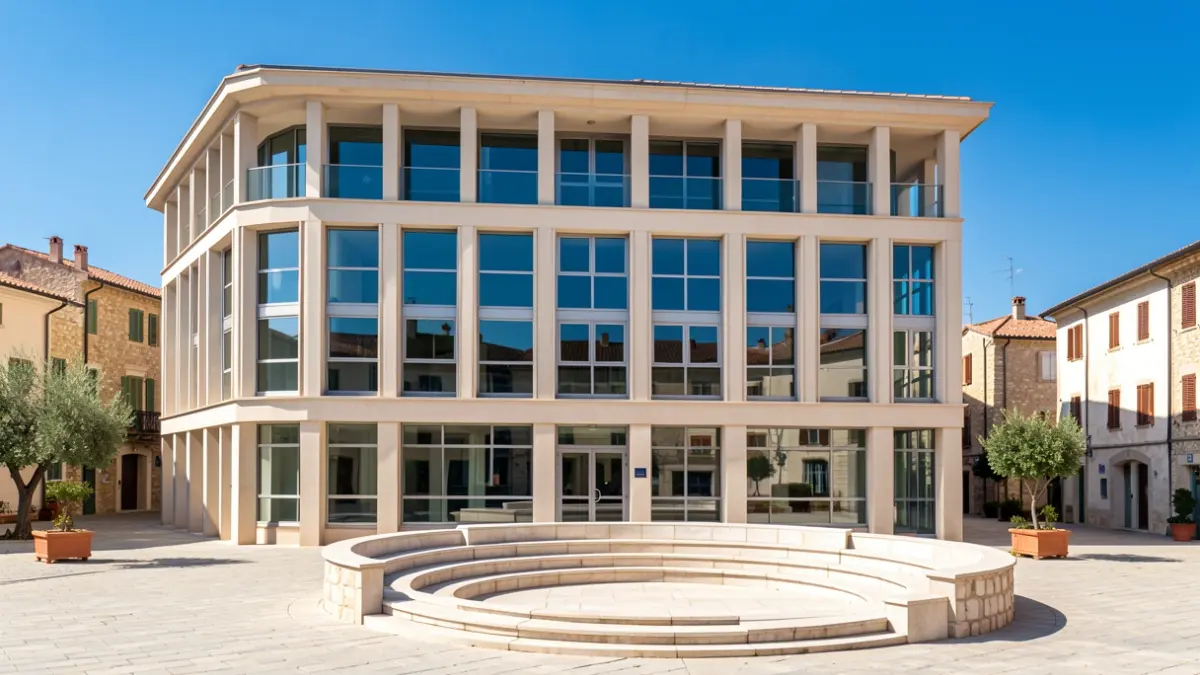
The Faculty of Humanities at the University of Almería became the focal point for a crucial debate against hate speech in sports. The event centered around the presentation of the book Heridas en la piel. Fútbol, racismo e identidad (Wounds on the Skin. Football, Racism and Identity), authored by a renowned journalist and former player. This work explores the construction of identity and hate speech in sports, offering a perspective that ranges from difficult moments to the hopeful narratives of a new generation of Afro-Spanish role models.
The presentation was part of the training activities for a micro-credential focused on racism and hate speech in sports. This academic program aims to equip students with the critical tools needed to analyze and combat discrimination in athletic environments.
During the event, the author shared the pillars of his research, which combines journalistic rigor with a deep personal dimension. The book not only documents historical episodes of racism in Spain but also addresses the responsibility of the media and the impact of social networks on the normalization of hate speech.
“"I wrote the book because it was a direct commission from the publisher. But over time, I began to open doors within myself that I had not explored before. And, apart from that, we took a journey through circumstances or racist incidents that have occurred in Spanish and European football and how these incidents have then impacted society and how I experienced them, as a child and then as a professional racialized, mixed-race footballer, seeing how I faced these types of situations at that time and how I see them now with the perspective that time gives me."
The author emphasized the need for stronger action from football clubs and called on fans to identify and report racist behavior. He argued that, despite improvements, current social friction and the use of platforms by certain ideologues and public figures to amplify hate speech require constant vigilance.
The choice of the University of Almería for this gathering highlights the importance of bringing sports analysis into the realm of social sciences. The work has been praised by the program's faculty as essential reading for understanding how racism transcends the playing field and manifests as a structural identity problem in society.