The city of Almería witnessed a little-known historical event: the visit and tribute to the Carpathia, the ship that played a crucial role in rescuing the survivors of the Titanic. This event, which occurred in 1912, has been corroborated by journalistic chronicles of the era, detailing the ship's arrival and the institutional act held in its honor.
The Carpathia became a symbol of hope after the tragedy of April 14-15, 1912. After receiving the Titanic's distress signal, the ship changed course and sailed through ice fields in the North Atlantic, managing to rescue more than 700 people. Its arrival in Almería was not just any stopover, but the visit of a protagonist in one of the most impactful maritime episodes of the 20th century.
The Carpathia's presence in Almería was part of its regular trade route between the Mediterranean and New York, transporting emigrants and goods. The port of Almería was a strategic stop, especially in autumn, due to the export of Ohanes grapes, which made it one of the busiest in southern Europe.
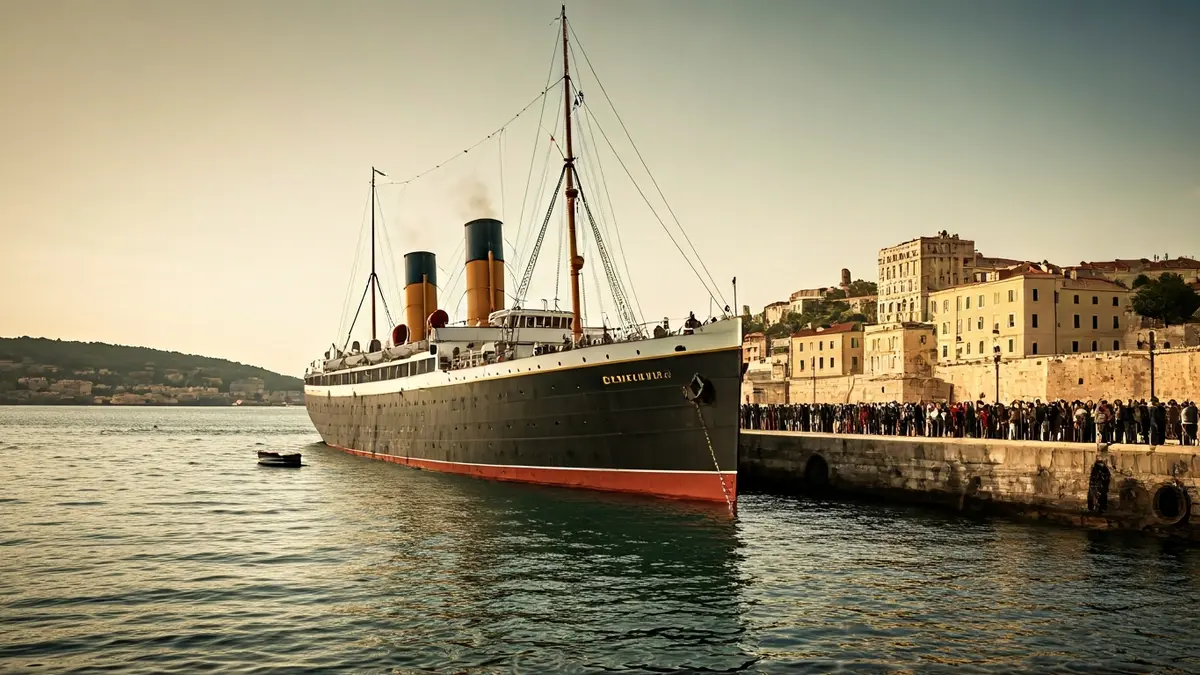
“"The Carpathia anchored yesterday morning in our port, coming from New York."
The ship's arrival was precisely recorded by newspapers such as La Crónica Meridional, which on October 6, 1912, documented its anchoring the previous day, October 5. Another newspaper, El Popular, also confirmed the arrival of the “magnificent steamer ‘Carpathia’”, reinforcing the veracity of the event.
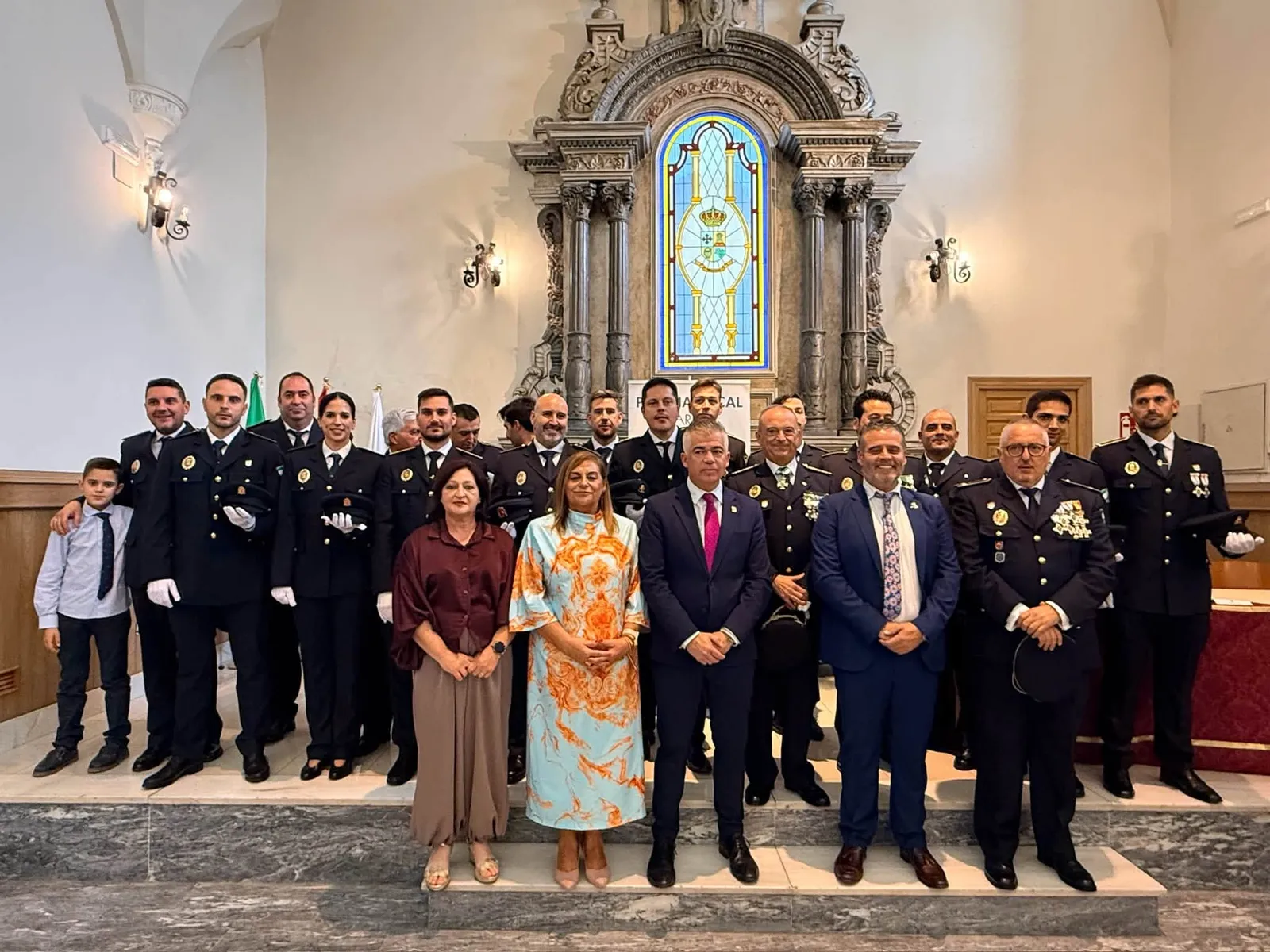
The main tribute took place on the afternoon of October 5. The newspaper La Independencia described the presentation of a plaque to the Carpathia's captain “as a tribute for the humanitarian services rendered… in the sinking of the Titanic.” This act, led by the then mayor of Almería, Braulio Moreno Gallego, demonstrated the city's official recognition of the ship's heroic action.
A municipal commission boarded the ship to present a commemorative silver plaque, a gesture that transcended local borders, being reported by the national newspaper La Correspondencia de España. The coincidence of four newspaper headlines—La Crónica Meridional, El Popular, La Independencia, and La Correspondencia de España—in describing this event, its date, and the reason for the tribute, solidifies this episode as a strong historical fact in Almería's memory.