The Regional Minister of Sustainability and Environment of the Junta de Andalucía, Catalina García, conducted a technical visit to the site to oversee the works. She was accompanied by the mayor of Líjar, María Jesús Díaz, and together they toured the area to verify the outcome of the intervention and the current state of the land after its closure.
The project covered an area of over 13,000 square meters and incurred a total cost of 713,428.31 euros, co-financed by the European Regional Development Fund (FEDER) Andalucía 2021-2027. The works involved significant earthmoving to adapt the terrain's morphology and ensure its long-term stability, generating approximately 950 daily wages in a municipality with about 500 inhabitants.
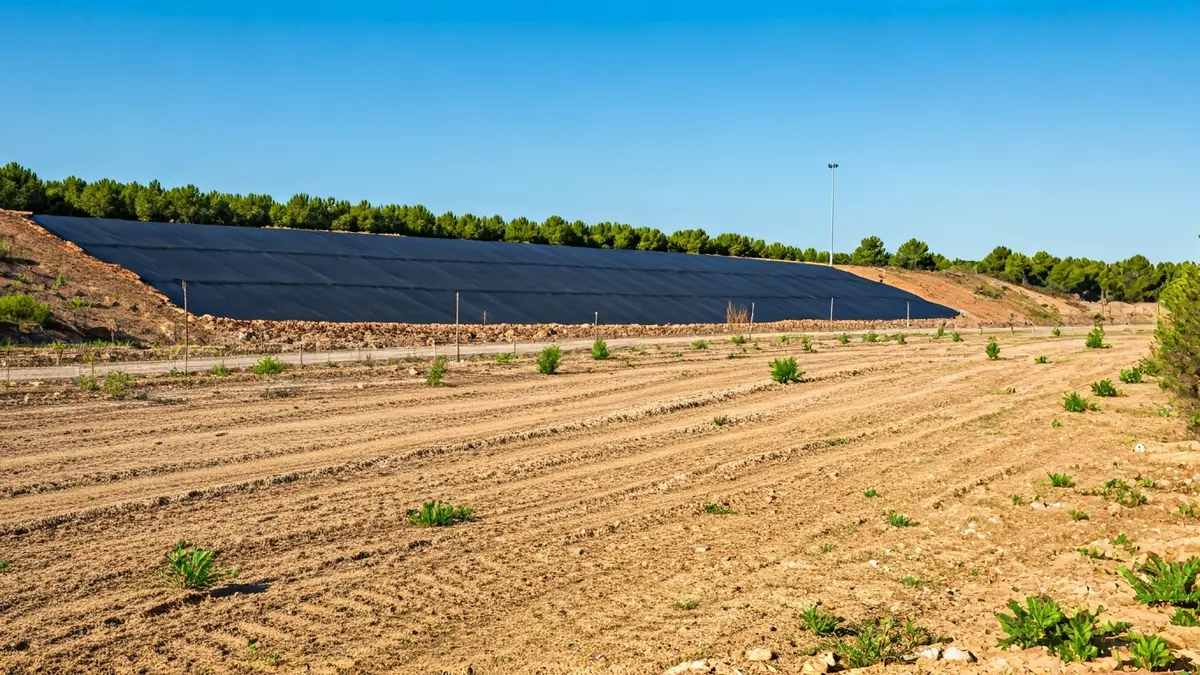
The landfill, located west of Líjar's urban center, accumulated inert waste, mainly from construction, as well as plant debris and quarry materials. The lack of technical control in its operation necessitated its closure and environmental restoration, in compliance with waste management regulations. The company Transformaciones y Embalses Parra, S.L., executed the works over six and a half months, between July 2025 and January 2026. By the end of March this year, the facilities were handed over to the Líjar City Council for monitoring and maintenance.
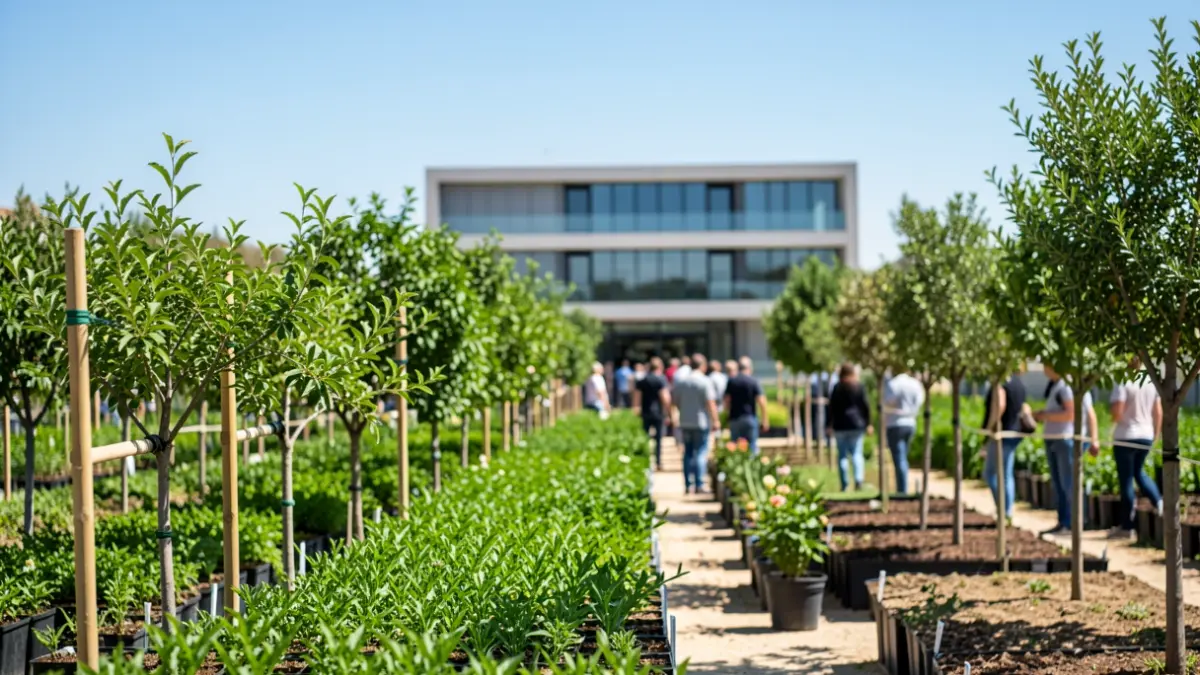
The restoration project included cleaning the landfill basin, conditioning existing waste, installing sealing layers, and regulating surface runoff drainage. Additionally, access was restricted with a perimeter fence, and complementary works were carried out to reinforce the overall stability. A key element was the revegetation of the land, with the planting of 7,854 units of native species such as broom, esparto grass, rosemary, albaida, and thyme, selected for their adaptation to local soil and climate conditions, and the sowing of 394.50 kilograms of seeds.
“"Action has been taken on an area that required technical intervention to adapt it to the required environmental conditions. The works have allowed for the reorganization of the terrain, stabilization of slopes, and establishment of vegetation cover adapted to the environment."
Following the completion of the works, the Líjar City Council will implement an environmental monitoring and control plan for a minimum duration of 30 years, in accordance with state regulations on waste disposal in landfills. This plan will allow for continuous monitoring of the terrain's evolution and potential impacts related to stability or water behavior. The landfill's sealing aims to reduce environmental and health risks associated with such facilities, particularly regarding potential water contamination or soil alteration, and addresses an infringement procedure by the European Commission.