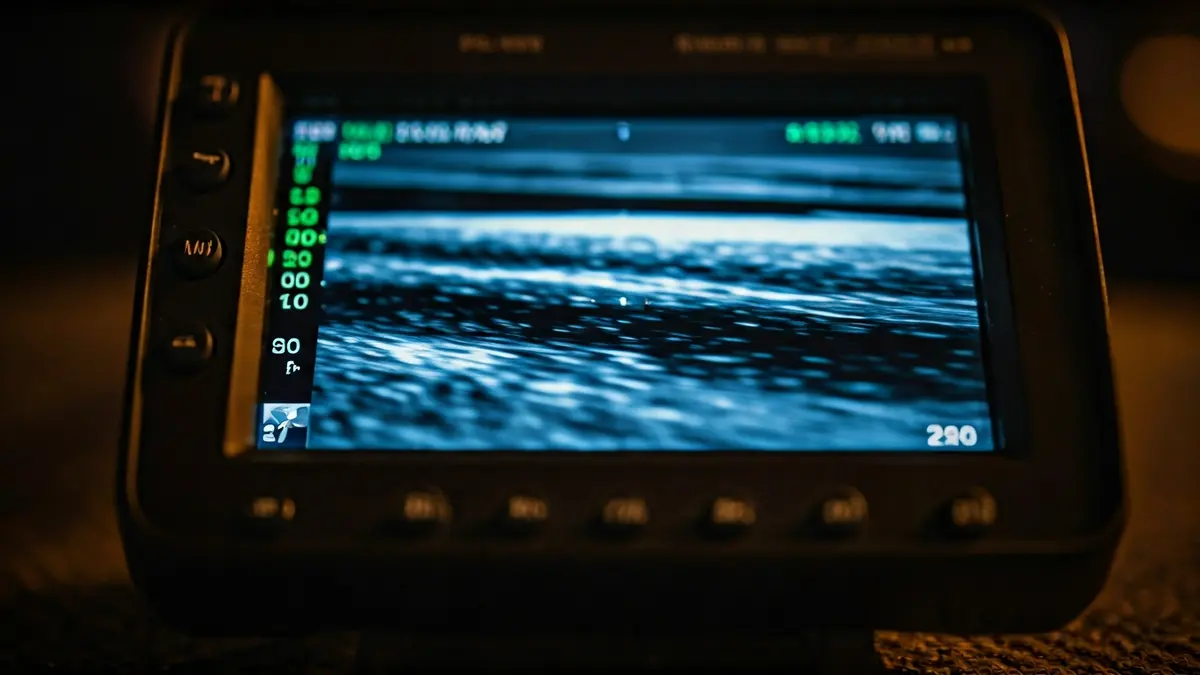
The seabed off Almería and in the Mediterranean Sea is a complex environment where dangerous undetonated explosives and rich historical heritage coexist. The Spanish Navy is responsible for monitoring this underwater realm, where numerous artifacts are located and neutralized each year.
Personnel from the Cazaminas Tajo minesweeper, participating in the MARSEC-26 exercise in Almería's waters, explain that these artifacts, including drifting mines, projectiles, and mortars—many from the Spanish Civil War—are not just history but a latent risk. The annual average of desactivations is around 50, underscoring the need for continuous vigilance.
80% of underwater treasures are not even known where they are.
The origin of these explosives dates back to past wars or military maneuvers from decades ago. The concern is that they remain active and are sometimes carried to frequented coastal areas, becoming a public safety issue. The process of detection, identification, and neutralization or relocation to a safe place involves the use of sonar, underwater vehicles, and specialized divers.
Beyond the danger, the sea also guards a vast amount of heritage. Sonars allow the discovery of everything from unknown structures to sunken ships, some of great archaeological interest, such as Roman wrecks with amphorae. The monitoring of these sites aims to prevent looting and document their condition over time.
Although the existence of submerged “treasures” is acknowledged, most of them, approximately 80%, have not yet been located. Those identified, meanwhile, are often found at depths that make access difficult, requiring advanced technical equipment and specially trained divers.
Working in the deep sea presents extreme challenges for the human body. Beyond 40 meters, air becomes narcotic, and oxygen toxic, potentially causing convulsions. Therefore, divers use special gas mixtures, replacing nitrogen with helium and adjusting oxygen levels according to depth. Reduced visibility and strong currents further complicate these operations, where any incident is magnified in the aquatic environment.