The College of Pharmacists of Almería has highlighted the growing prevalence of allergies, particularly seasonal ones, which have seen a notable increase in recent years. To assist patients in controlling their symptoms, the institution has released a series of critical recommendations. These include strictly adhering to healthcare professionals' instructions regarding treatment duration and avoiding self-medication, such as increasing doses or combining antihistamines without supervision.
According to data from the National Health System (SNS), the number of people diagnosed with allergies in Spain has grown by 42.3% since 2016, reaching 6.6 million patients. The Ministry of Health indicates that pollen allergy affects approximately 15% of the general population, a figure that rises to 30% among young people. This surge is attributed to factors such as environmental pollution, which enhances allergic responses, and climate change, which prolongs pollination periods and increases pollen's aggressiveness. Abundant winter rains could also advance and intensify the pollination of plants like grasses, exacerbating pollinosis symptoms.
Community pharmacists in Almería point out that one of the most common mistakes is the irregular use of antihistamines, taking them only when symptoms appear and stopping when they improve. However, in cases like allergic rhinitis, inflammatory mediators can remain active as long as exposure to the allergen persists.
“"When the healthcare professional recommends the use of antihistamines, it is preferable to maintain continuous treatment during the exposure period to achieve better symptom control."
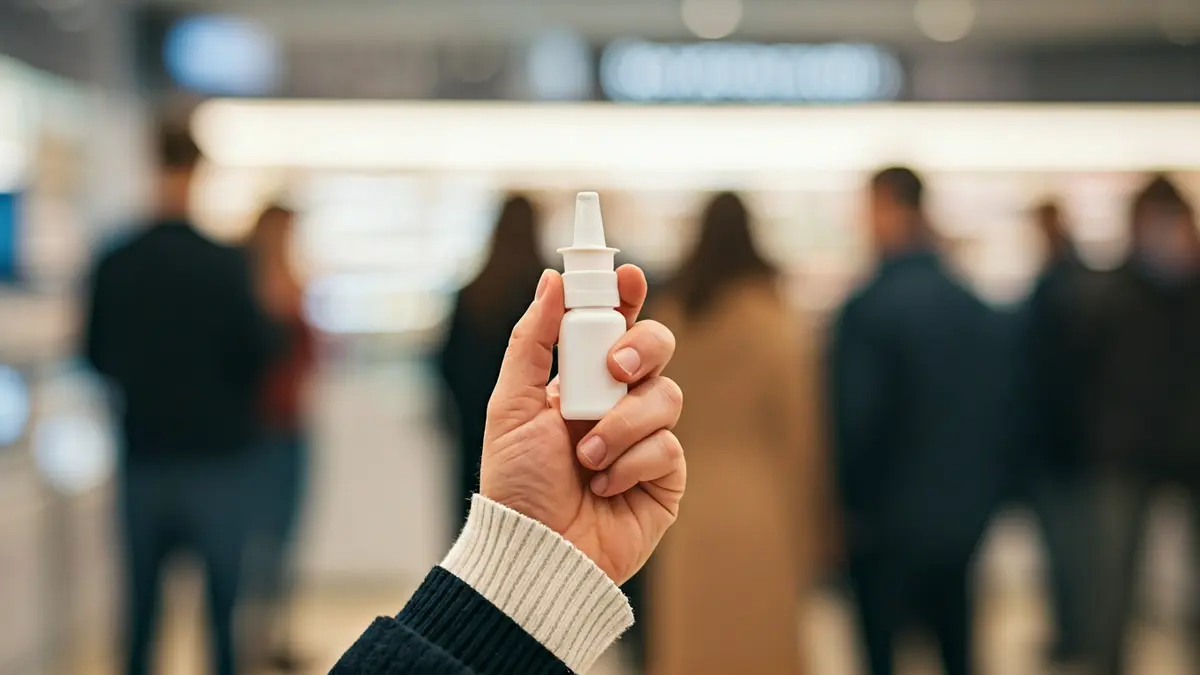
Furthermore, Gema Martínez Soler warns against combining several antihistamines or increasing the dose without medical or pharmaceutical consultation, as this can heighten the risk of adverse effects such as headaches or excessive drowsiness. The importance of not overusing fast-acting nasal decongestants is also emphasized, as prolonged use (more than three to five days) can lead to rebound congestion and worsen symptoms.
In addition to treatments, pharmacists recommend non-pharmacological preventive measures, such as limiting allergen exposure, avoiding outdoor activities during peak pollen times, wearing sunglasses and masks outdoors, and using air purifiers at home. They also advise keeping car windows closed when traveling. Finally, they stress the importance of differentiating allergy symptoms from those of a common cold, although a definitive diagnosis always rests with a doctor.