AlmeríaCádizCórdobaGranadaHuelvaJaénMálagaSevillaAlpujarra AlmerienseLos VélezComarca Metropolitana de AlmeríaFilabres-TabernasLevante AlmeriensePoniente AlmerienseValle del AlmanzoraBahía de CádizCampiña de JerezCampo de GibraltarCosta NoroesteLa JandaSierra de CádizAlto GuadalquivirCampiña de BaenaCampiña Sur CordobesaLos PedrochesCórdoba (comarca)SubbéticaValle del GuadiatoValle Medio del GuadalquivirAlpujarra GranadinaComarca de AlhamaComarca de BazaComarca de GuadixComarca de HuéscarComarca de LojaCosta GranadinaLos MontesValle de LecrínVega de GranadaEl AndévaloEl Condado de HuelvaCosta OccidentalCuenca MineraComarca Metropolitana de HuelvaSierra de HuelvaÁrea Metropolitana de JaénCampiña de JaénEl Condado (Jaén)La LomaSierra de CazorlaSierra MáginaSierra MorenaSierra de SeguraSierra Sur de JaénLas VillasComarca de AntequeraLa AxarquíaGuadaltebaCosta del Sol OccidentalMálaga Costa del SolNorormaValle del GuadalhorceSerranía de RondaSierra de las NievesAljarafeBajo GuadalquivirCampiña de CarmonaCampiña de Morón y MarchenaComarca de ÉcijaComarca Metropolitana de SevillaSierra Norte de SevillaSierra Sur de SevillaVega del GuadalquivirAlmeríaCádizCórdobaGranadaHuelvaJaénMálagaSevillaAlpujarra AlmerienseLos VélezComarca Metropolitana de AlmeríaFilabres-TabernasLevante AlmeriensePoniente AlmerienseValle del AlmanzoraBahía de CádizCampiña de JerezCampo de GibraltarCosta NoroesteLa JandaSierra de CádizAlto GuadalquivirCampiña de BaenaCampiña Sur CordobesaLos PedrochesCórdoba (comarca)SubbéticaValle del GuadiatoValle Medio del GuadalquivirAlpujarra GranadinaComarca de AlhamaComarca de BazaComarca de GuadixComarca de HuéscarComarca de LojaCosta GranadinaLos MontesValle de LecrínVega de GranadaEl AndévaloEl Condado de HuelvaCosta OccidentalCuenca MineraComarca Metropolitana de HuelvaSierra de HuelvaÁrea Metropolitana de JaénCampiña de JaénEl Condado (Jaén)La LomaSierra de CazorlaSierra MáginaSierra MorenaSierra de SeguraSierra Sur de JaénLas VillasComarca de AntequeraLa AxarquíaGuadaltebaCosta del Sol OccidentalMálaga Costa del SolNorormaValle del GuadalhorceSerranía de RondaSierra de las NievesAljarafeBajo GuadalquivirCampiña de CarmonaCampiña de Morón y MarchenaComarca de ÉcijaComarca Metropolitana de SevillaSierra Norte de SevillaSierra Sur de SevillaVega del Guadalquivir

Almería investigates using molten salt and microwaves to store solar energy

An international study at the Almería Solar Platform explores the feasibility of heating salt with microwaves for renewable energy storage.

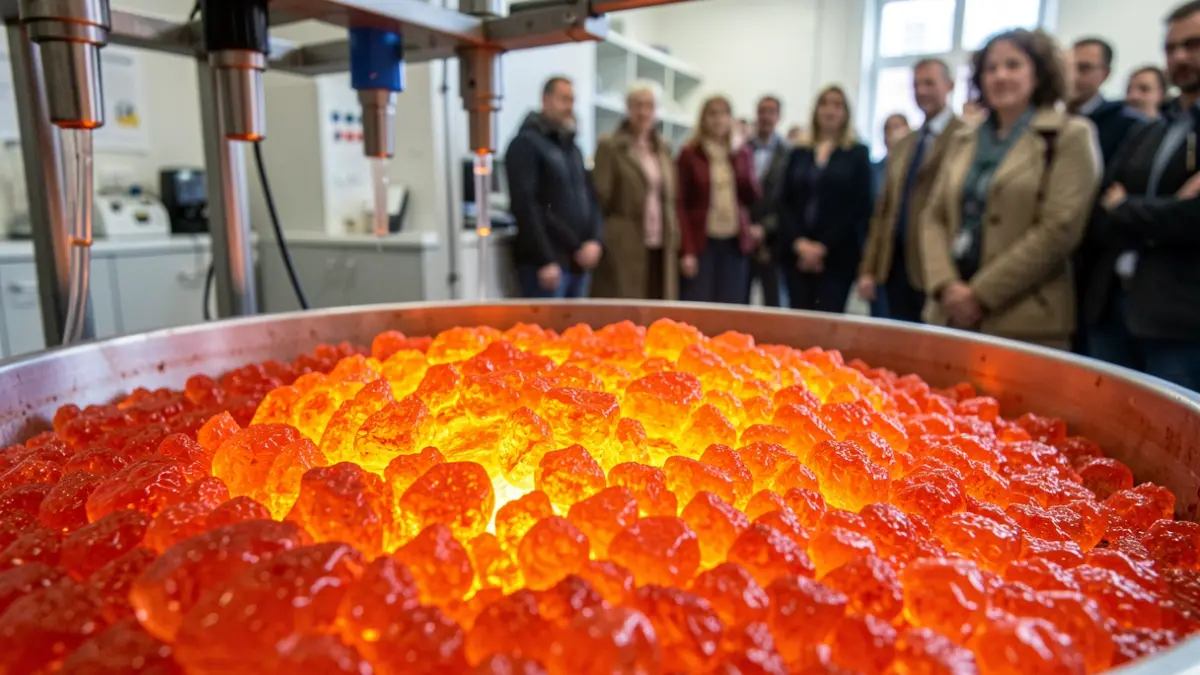
Close-up of molten salt in a laboratory, glowing with heat, with microwave emitters visible in the background.
IA

Close-up of molten salt in a laboratory, glowing with heat, with microwave emitters visible in the background.

The Almería Solar Platform is participating in an international study analyzing the combination of molten salt and microwaves as a new method for storing renewable energy as heat.

The research, involving scientists from Almería, Germany, Valencia, and Nottingham, explores the potential of heating solar salt, a material used in thermoelectric solar plants, using electromagnetic radiation at high temperatures.
Solar salt, a mixture of sodium nitrate and potassium nitrate, typically operates in a liquid state between 290 and 565 degrees Celsius. Its function is to store thermal energy for later recovery in Power-to-Heat-to-Power systems, also known as Carnot batteries.
The study addresses the challenge of efficiently introducing heat into molten salt, as its low thermal conductivity can cause local overheating. Microwaves are being considered as an alternative for more uniform heating, but experiments reveal that their penetration into molten salt is very limited, only a few millimeters.
Researchers have measured the electromagnetic properties of the salt at frequencies of 2.45 GHz and 912 MHz, observing a drastic change in its behavior when transitioning from solid to liquid state, where it becomes highly conductive.
In response to this limitation, solutions such as using ceramic structures transparent to microwaves are proposed to increase the interaction depth and improve heat distribution. One idea involves circulating the liquid salt through tubes within a microwave cavity, incorporating honeycomb or foam-like ceramic structures.
This advancement, published in the journal Energy Conversion and Management, represents an essential experimental step towards determining the viability of new methods for storing surplus renewable electricity, which is key to better harnessing solar energy.