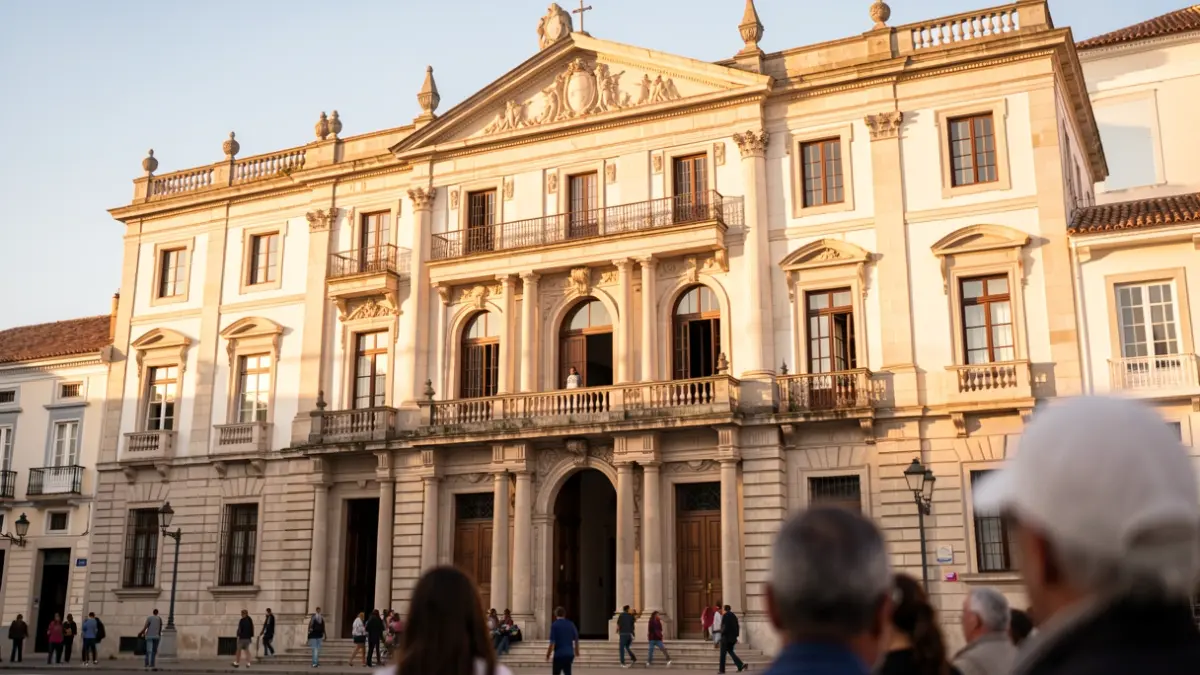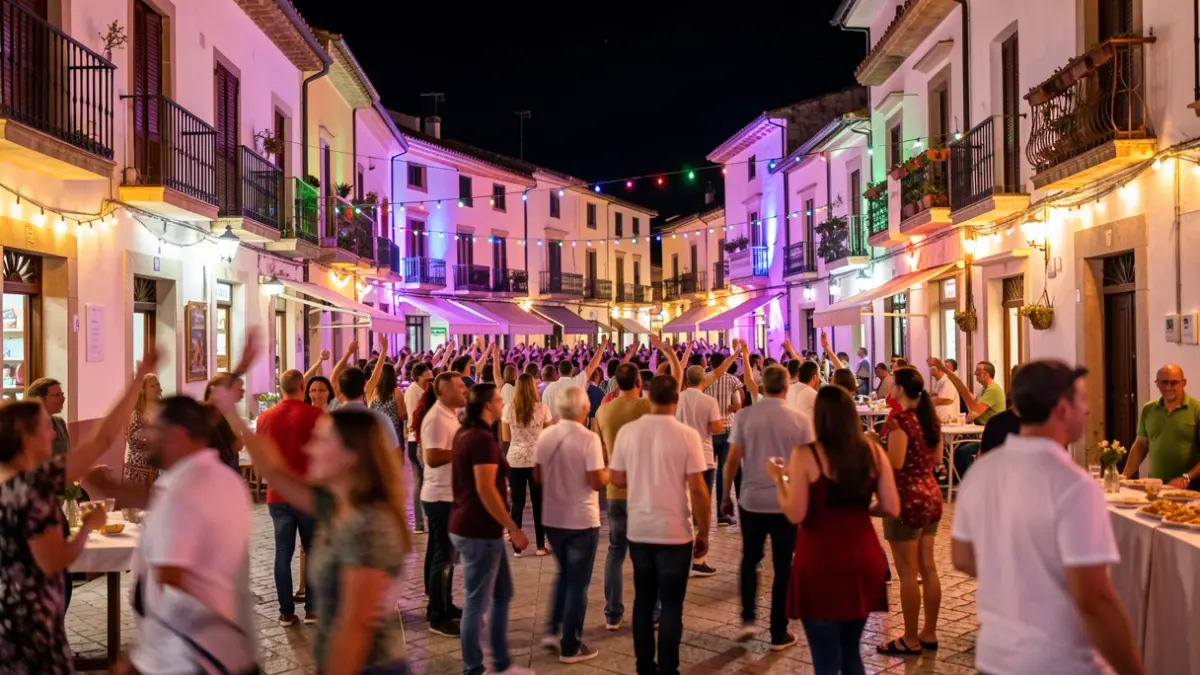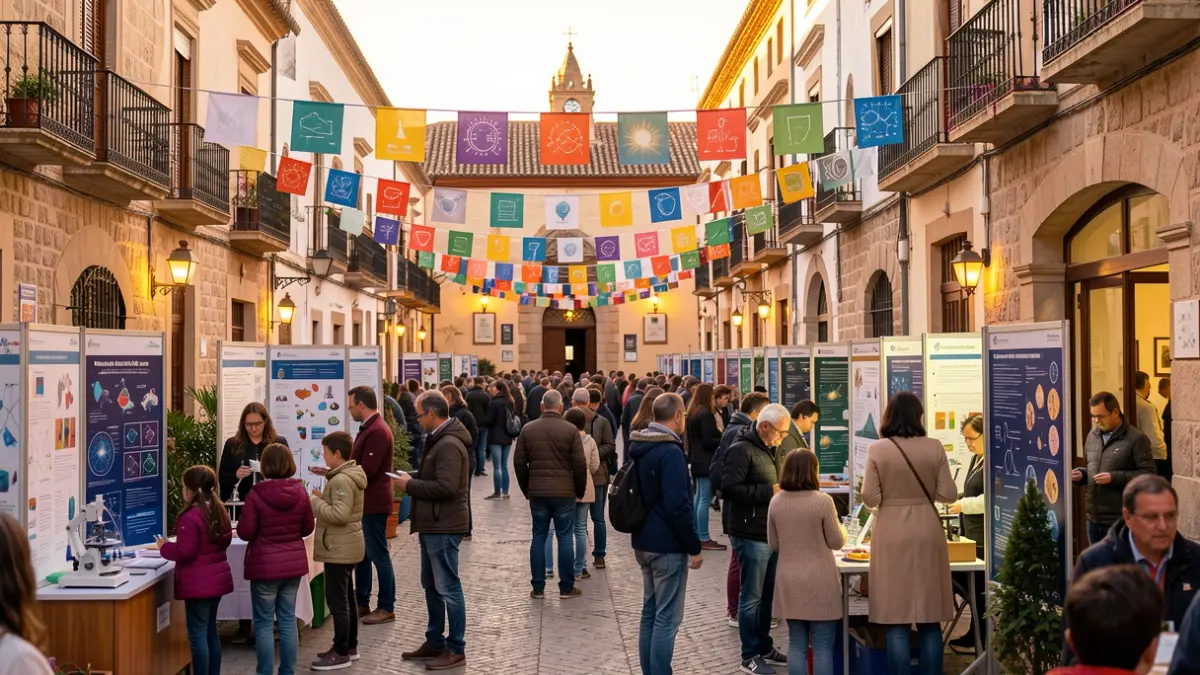
More than 700 researchers will participate this Friday night in over 300 activities across Granada, Ceuta, and Melilla, featuring a broad program aimed at the more than 5,000 expected attendees. The Paseo del Salón in Granada will be the main venue for this event, one of Europe's leading science outreach initiatives.
This year's edition will include participation from the University of Granada; the CSIC, represented by its Granada centers such as the Andalusian Institute of Astrophysics and the Experimental Station of Zaidín; the Parque de las Ciencias Consortium; the Granada Biomedical Research Institute; the Archaeological and Ethnological Museum of Granada; the PTS Foundation; the Descubre Foundation; and the Granada City Council, among other collaborating entities.
In Granada, the activities will be spread across 33 thematic spaces along the Paseo del Salón, including 27 stands from scientific and university institutions, five Kids Corner spaces for children, and a Senior Corner. Through workshops, experiments, and demonstrations, science will reach audiences of all ages.
Marga Sánchez Romero, Vice-Rector for University Extension at the UGR, highlighted the strong institutional support for the initiative, stating that “all research institutions, all political institutions, are supporting this celebration of science.” She emphasized the transformative value of knowledge, noting that “science is the greatest way to solve the world's problems.”
Jorge Saavedra, Granada City Council's Culture Councilor, stressed that the European Researchers' Night exemplifies the city model Granada aims to project for its bid to be European Capital of Culture 2031. He affirmed that “Culture and knowledge are a binomial that can only bring future and opportunities to Granada.” He also thanked the collaboration between administrations and entities, and the constant growth of the initiative, now in its fourteenth edition.
Julia Gutiérrez Pastor, head of the Scientific Outreach Committee at the Geological and Mining Institute of Spain, described the European Researchers' Night as an exceptional opportunity to engage with science in a close, participatory, and creative way. The CSIC centers will offer proposals on topics ranging from earthquakes and glaciers to genetics and manuscript reconstruction, underscoring the responsibility of public institutions in disseminating knowledge.
As a new feature, this edition will include a Senior Corner, a space specifically designed to bring research closer to senior citizens, addressing topics such as artificial intelligence, health, active aging, technology, and memory, with some intergenerational activities planned.