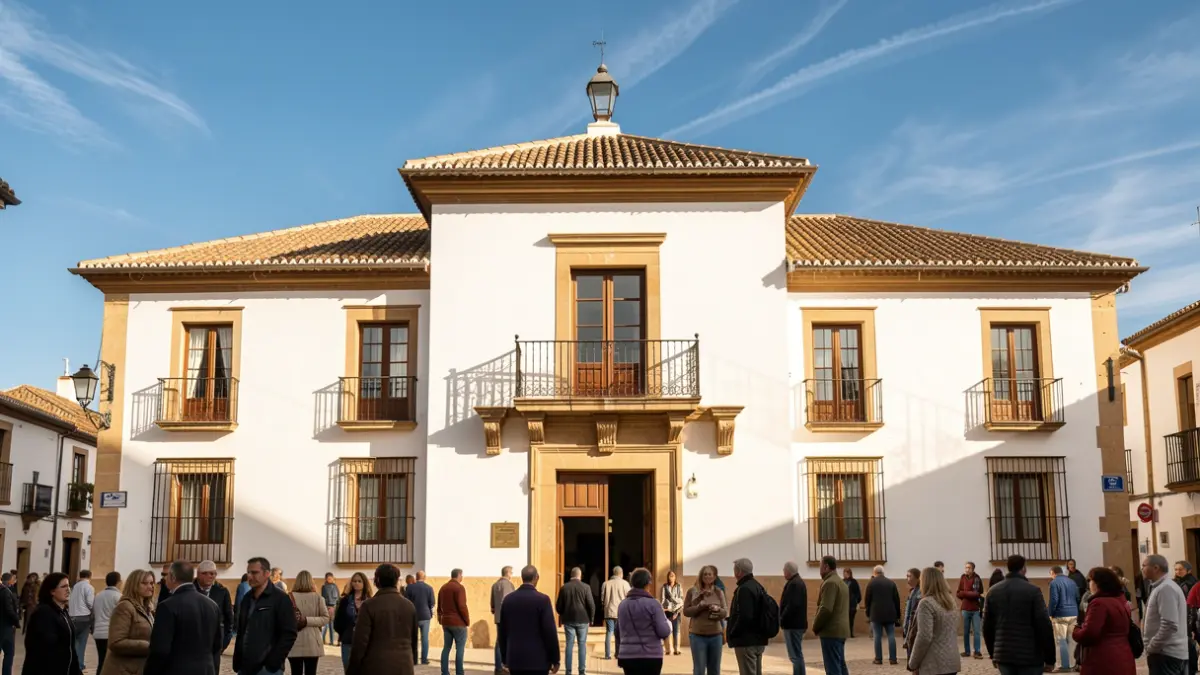

This project, approved on November 12 by the Municipal Plenary, arises in response to the emotional impact and social alarm generated by the seismic swarm that has affected Granada and its metropolitan area since mid-August 2026. The proposal argues that culture is a fundamental axis for reinforcing neighborhood ties, fostering community bonds, and improving the individual and collective well-being of Granada's population in the face of climate emergencies such as earthquakes, floods, or heatwaves.
The document outlines a comprehensive model for prevention, response, and recovery that positions culture as a tool for overcoming challenges, community resilience, and promoting self-esteem. It proposes creating a European network of cities exposed to natural risks and transforming public facilities like libraries, civic centers, or museums into support spaces during emergencies, promoting equality and sustainability.
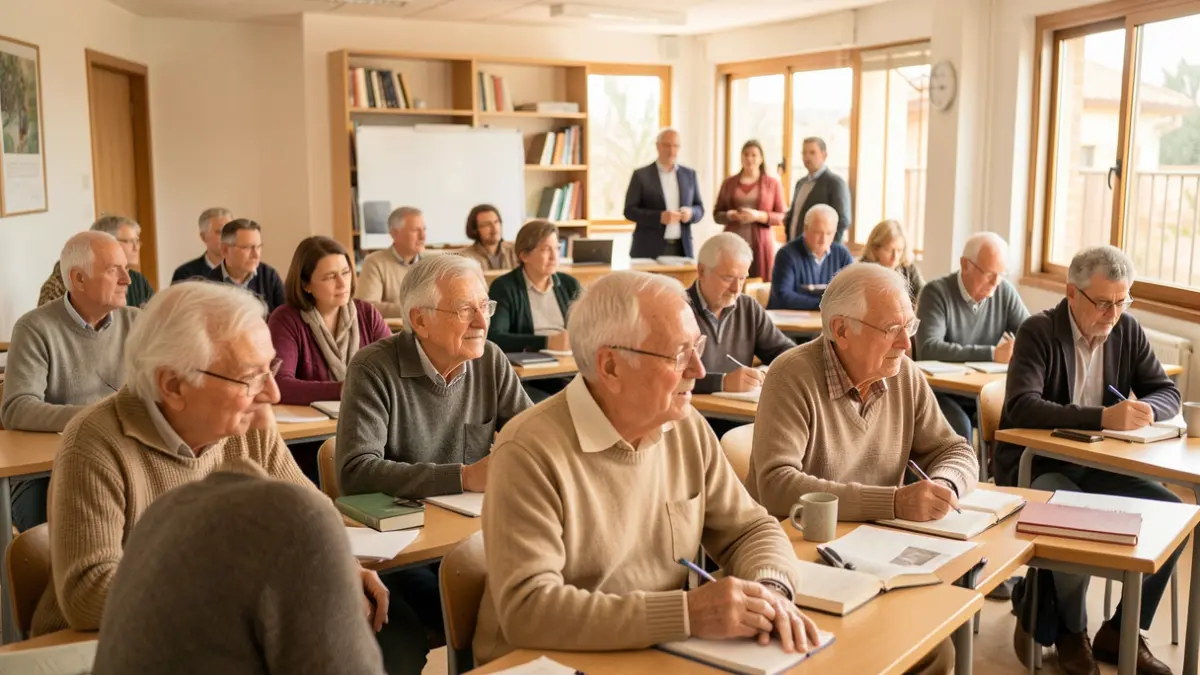
CIMCYC has designed the psychosocial axis of the project, including training in Psychological First Aid (PFA), development of protocols, and well-being assessment systems. The research team included Francisco Cruz Quintana, María Nieves Pérez Marfil, Laura Torres-Vega, Ruth Maldonado Díaz, Isabel Benítez Baena, and María Ruz, with technical coordination by Javier de Teresa Galván and Enrique J. Hernández Salas. Contributions were made by the Official College of Psychology of Eastern Andalusia (COPAO) and the Geological and Mining Institute of Spain (IGME-CSIC).
Through its participation in this project, CIMCYC reaffirms its commitment to transferring scientific knowledge for the benefit of society and supports Granada's bid for European Capital of Culture 2031, integrating science, culture, and citizen well-being.