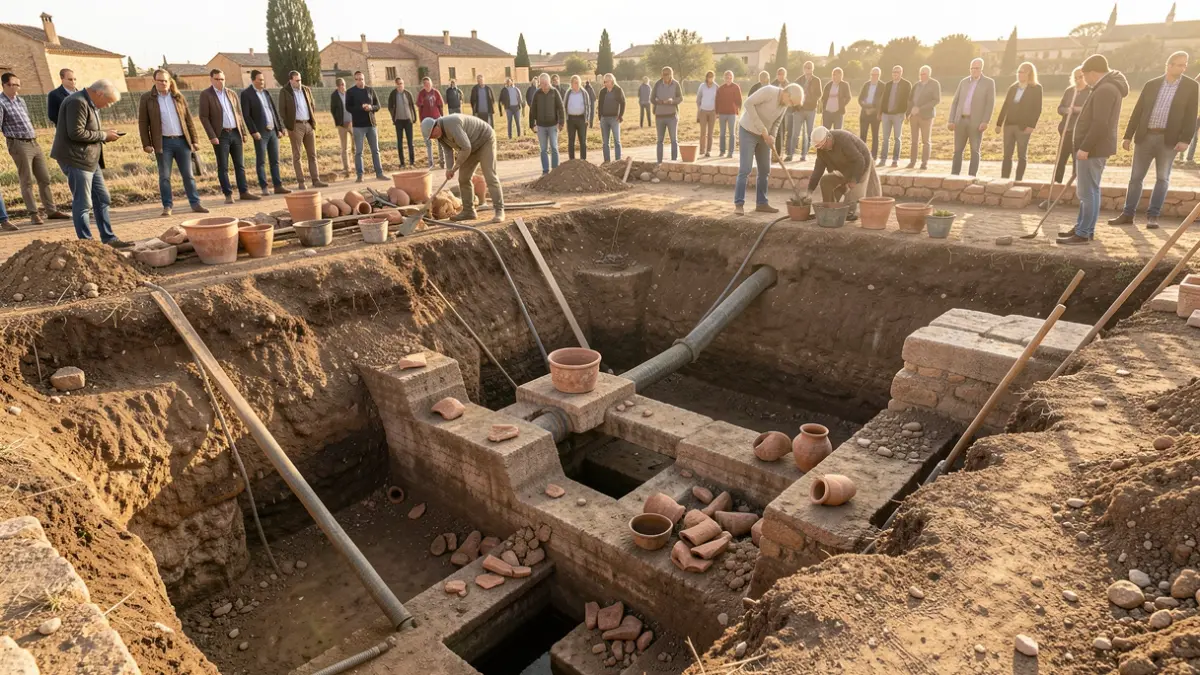
Prospection and sounding work will take place from November 8 to 28 at this important Roman enclave, acquired by the Lucena council two years ago. The primary goal is to deepen the understanding of water management in Roman Baetica and advance the site's valorization.
This intervention, the first scientific methodology-based one at Morana, will be co-directed by María del Mar Castro, a researcher from the UGR, and Daniel Botella, the municipal archaeologist. A multidisciplinary team of technicians, researchers, students, and volunteers will participate.
Previous geophysical surveys, including ground-penetrating radar and electrical prospection, have identified underground structures that will guide the soundings. According to María del Mar Castro, these efforts aim to gather new data on the site's chronology and evolution, generating "great interest and enthusiasm."
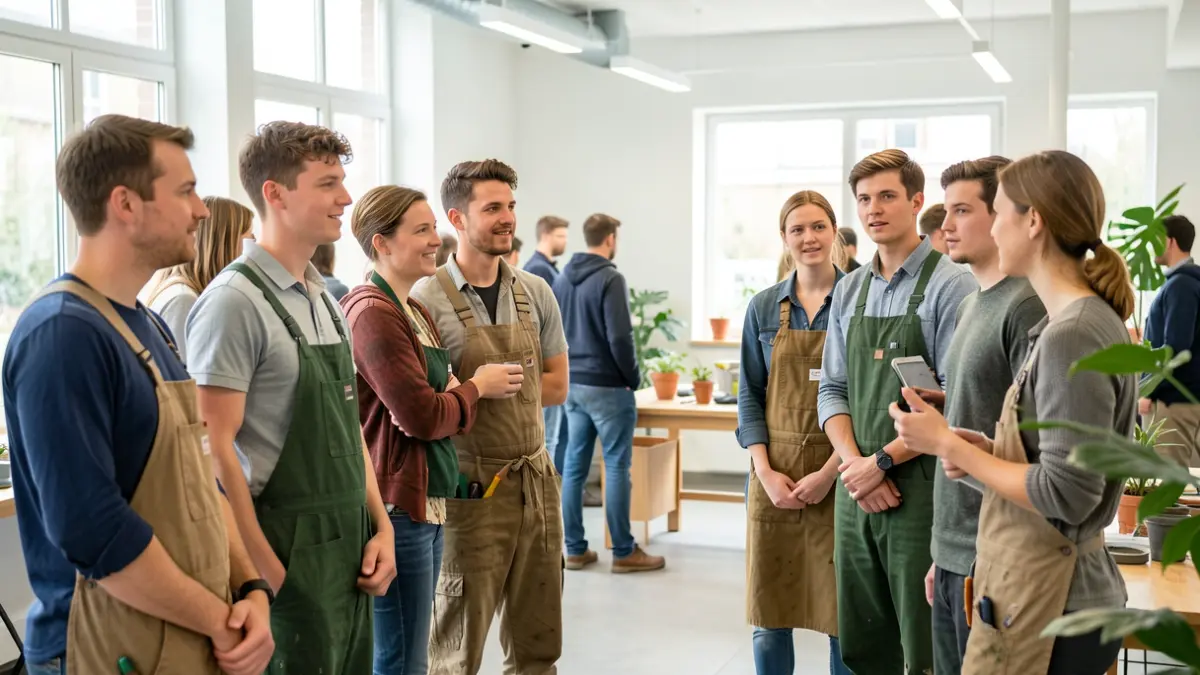
Daniel Botella emphasized that this campaign will enable a scientific understanding of Morana. The volunteer call has attracted numerous applications from Spanish and international universities, as well as from Lucena residents, fostering local engagement with heritage.
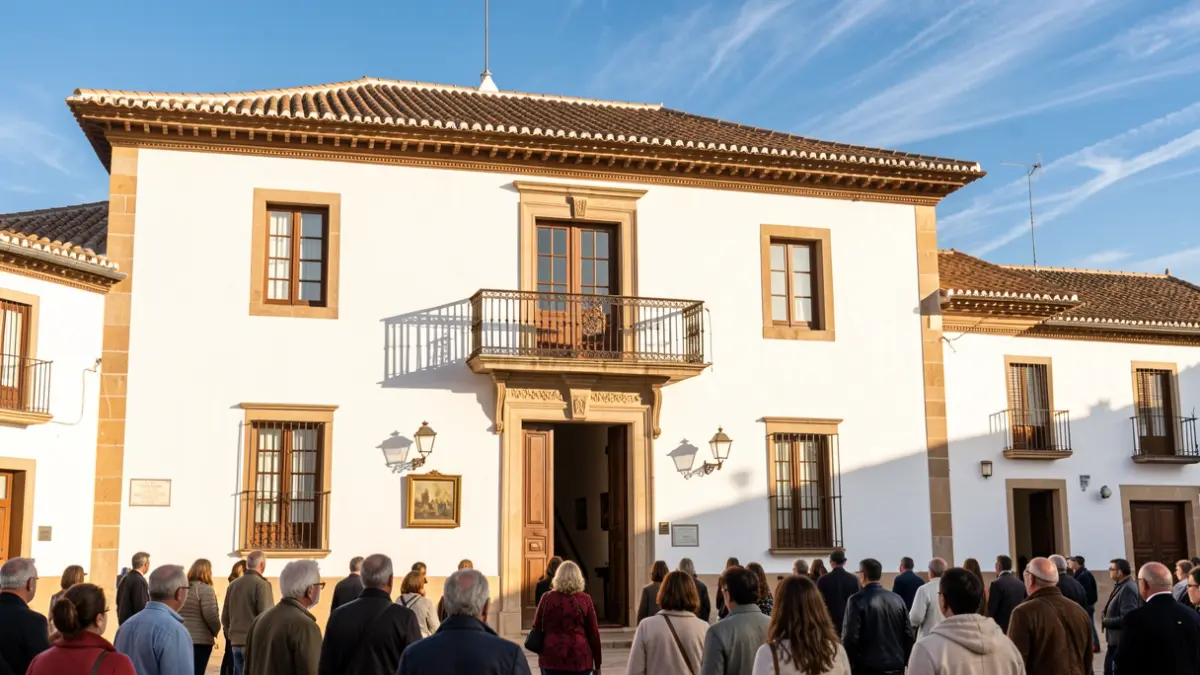
The agreement is funded with 13,000 euros, contributed equally by the Lucena City Council and the University of Granada. Collected materials and data will be analyzed for scientific and public dissemination. Open house days are planned to share findings with the public, underscoring the council's commitment to researching and valuing this historical site.