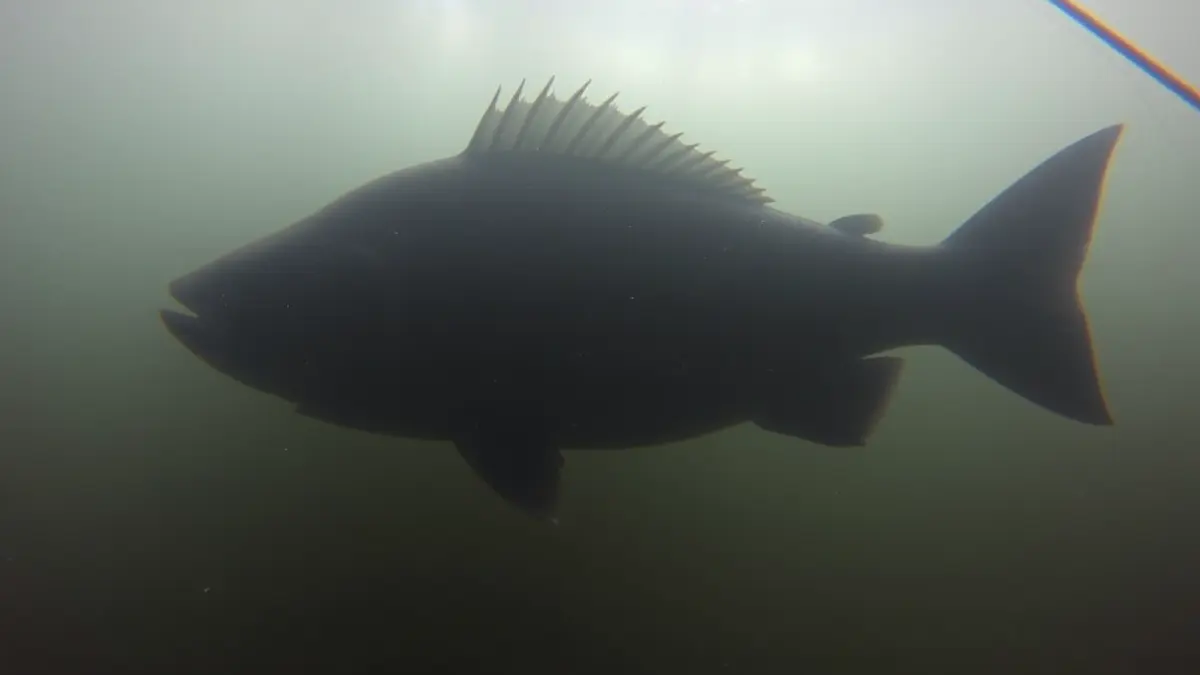
The discovery in the Iznájar reservoir, in Córdoba, has caused a stir, especially after a video showing the difficult task of pulling the giant fish from the water went viral. This specimen, whose dimensions are more typical of large Central European rivers, confirms experts' concerns about the rapid adaptation and growth of catfish in Andalusian waters.
The presence of the catfish in this ecosystem is not an isolated incident but the result of illegal introductions for recreational purposes. This invasive exotic species is severely altering the biological balance of an area crucial for tourism and the economy of nearby municipalities such as Rute, Iznájar, and Cuevas de San Marcos.
“"The catfish has ceased to be an anecdote and has become the owner of the ecosystem."
The Iznájar reservoir, the largest in Andalusia, offers the catfish an ideal habitat with great depth, natural shelters, and abundant food, allowing it to grow at an accelerated rate. Its diet is varied, including everything from native carp and barbel to aquatic birds and small mammals, causing a devastating impact on local biodiversity, especially on the Andalusian barbel, a protected species.
Although for fishermen, catching a catfish of these dimensions represents a great trophy, Spanish legislation strictly prohibits its return to the water, as it is classified as an invasive exotic species. Various sectors are calling on the Hydrographic Confederation and the Junta de Andalucía for an urgent action plan that includes population censuses and biological control measures to eradicate its presence and protect the ecosystem.