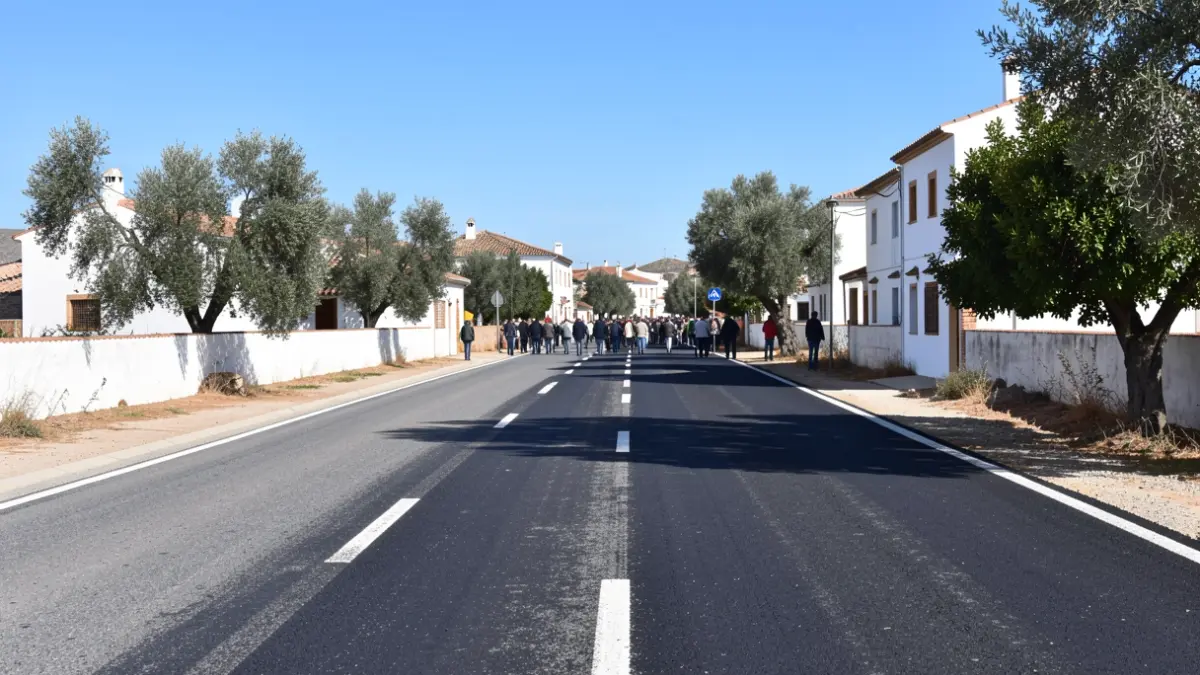
The Health Department of the Guillena City Council has conducted an extraordinary adulticide treatment in Torre de la Reina park and along the banks of the Barbolí stream. These actions complement the weekly larvicide treatments carried out throughout the municipality.
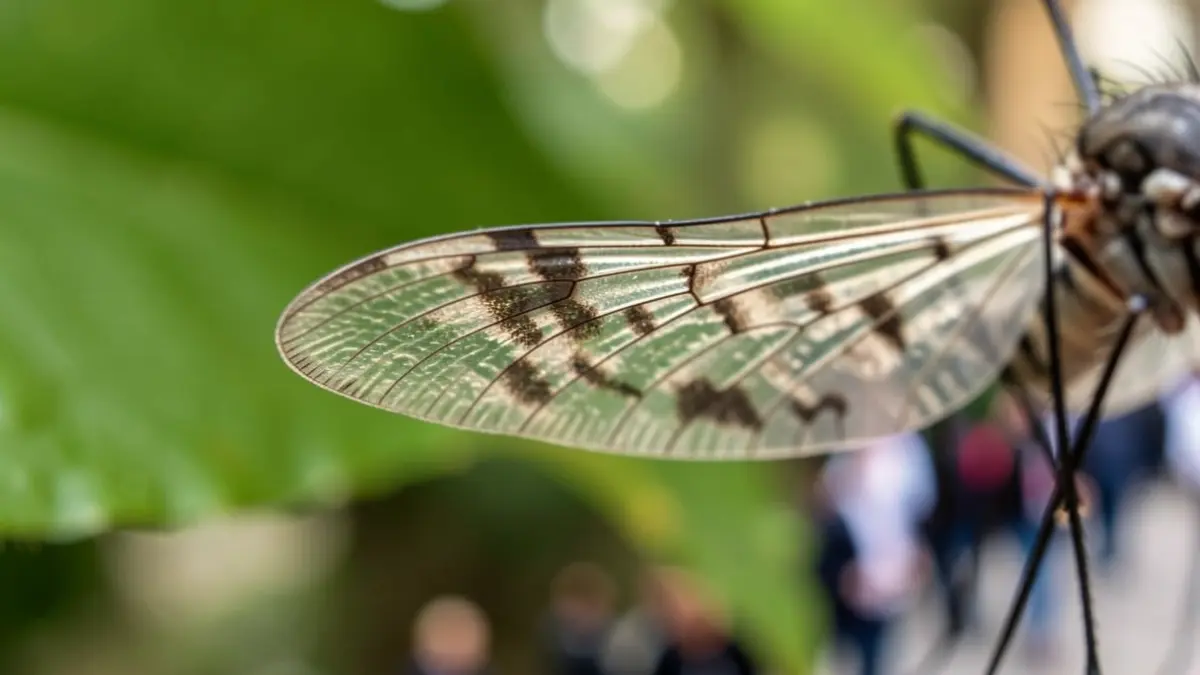
Human, entomological, and animal surveillance of the West Nile Virus (WNV), part of the 2026 Integrated Surveillance and Control Program for West Nile Fever Vectors by the Consejería de Salud y Consumo de la Junta de Andalucía, confirmed on August 18th the circulation of the virus in Culex pipiens mosquitoes from a trap in Guillena.
Due to this detection, the General Directorate of Public Health and Pharmaceutical Planning declared the municipality of Guillena as an Alert zone, as the trap was located less than 1.5 km from the urban center. This alert, which ended on September 14th with no evidence of new virus circulation, prompted the implementation of extraordinary measures.
Measures undertaken by the Guillena City Council include increasing the frequency of larval focus inspections, public information campaigns, reviewing and expanding vector control measures, intensifying the search for new larval foci and adult refuges, and communicating with health services for active case detection in humans. Public awareness and sensitization campaigns have also been expanded.
The municipality remains at a high level of surveillance and control, with weekly larvicide treatment sessions. Today, Monday, October 5th, an extraordinary adulticide treatment was carried out in Torre de la Reina park and along the banks of the Barbolí stream.
Citizens are reminded of the importance of adopting individual preventive measures, such as avoiding stagnant water in containers, drains, and gutters, using bleach, turning off unnecessary lights, using mosquito nets, and keeping swimming pools and tanks clean.