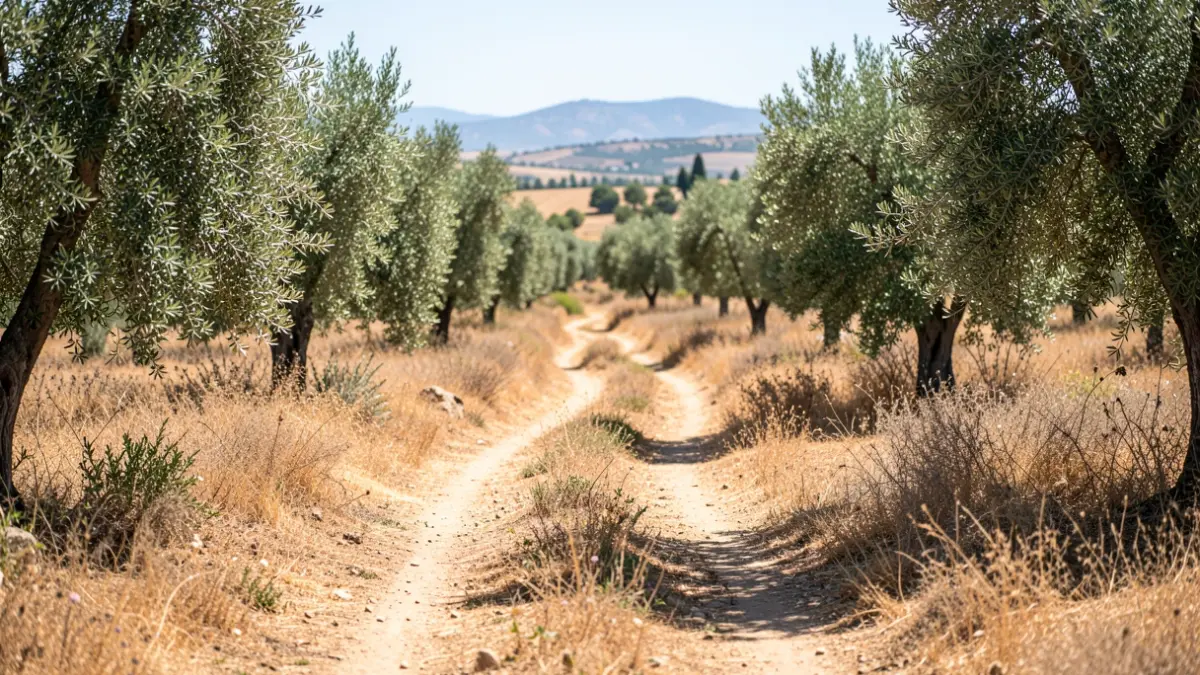
The research, published in the Bulletin of the Spanish Association of Geography (BAGE), analyzes livestock routes, greenways, municipal paths, and public easements, highlighting the lack of inventories and the neglected state of much of this infrastructure.
Manuel Trujillo, coordinator of the Technical Unit for Applied Studies (UTEA) at IESA-CSIC and one of the authors, points to the difficulty in specifying the ownership and condition of the paths due to the absence of official records. "What is not known cannot be cared for," he states.
The study, conducted with UCO Sociology professor David Moscoso, addresses the growing economic and social revaluation of road heritage for uses such as rural tourism and sports practice, aiming to test its commercialization potential.
Society increasingly demands the knowledge and recovery of this network of paths, a pending task for public administrations. Diagnosing its problems is fundamental for implementing solutions, according to Trujillo.
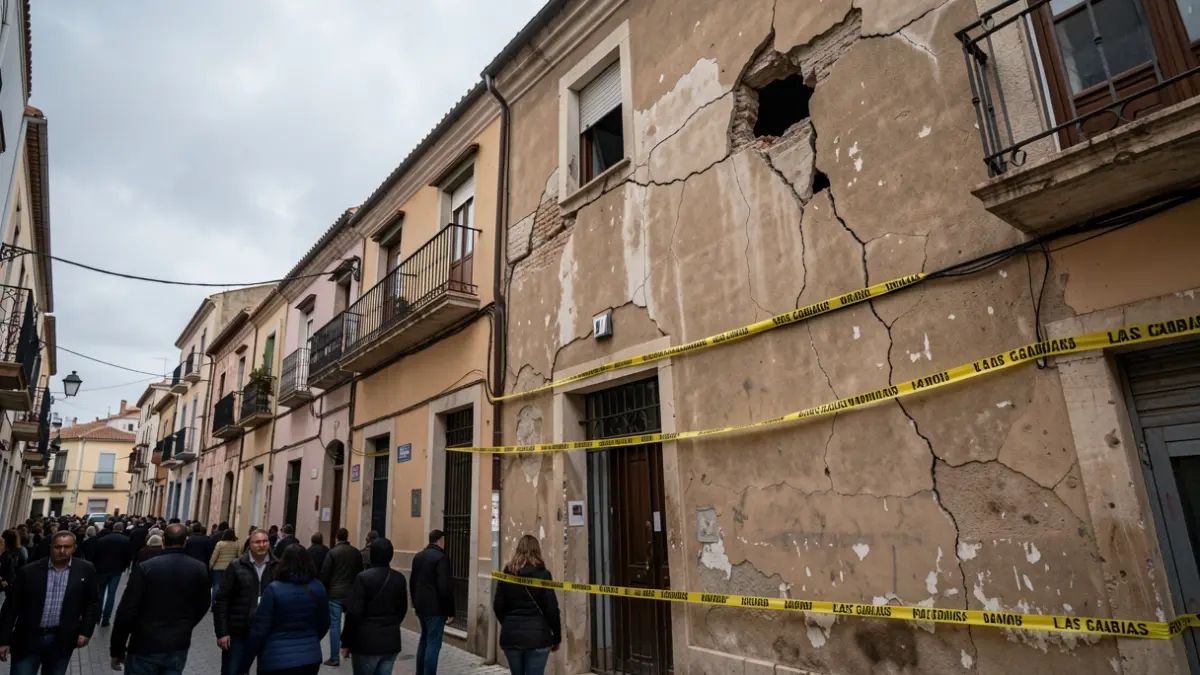
The lack of information in municipal councils, responsible for inventories, is evident, as is the existence of a high percentage of public paths closed by landowners or in a state of neglect and impassability, urging administrations to catalog and recover them.
The research, developed within the framework of the Excellence Plan of the Junta de Andalucía, provides detailed cartographic information by typology, obtained from various official sources.