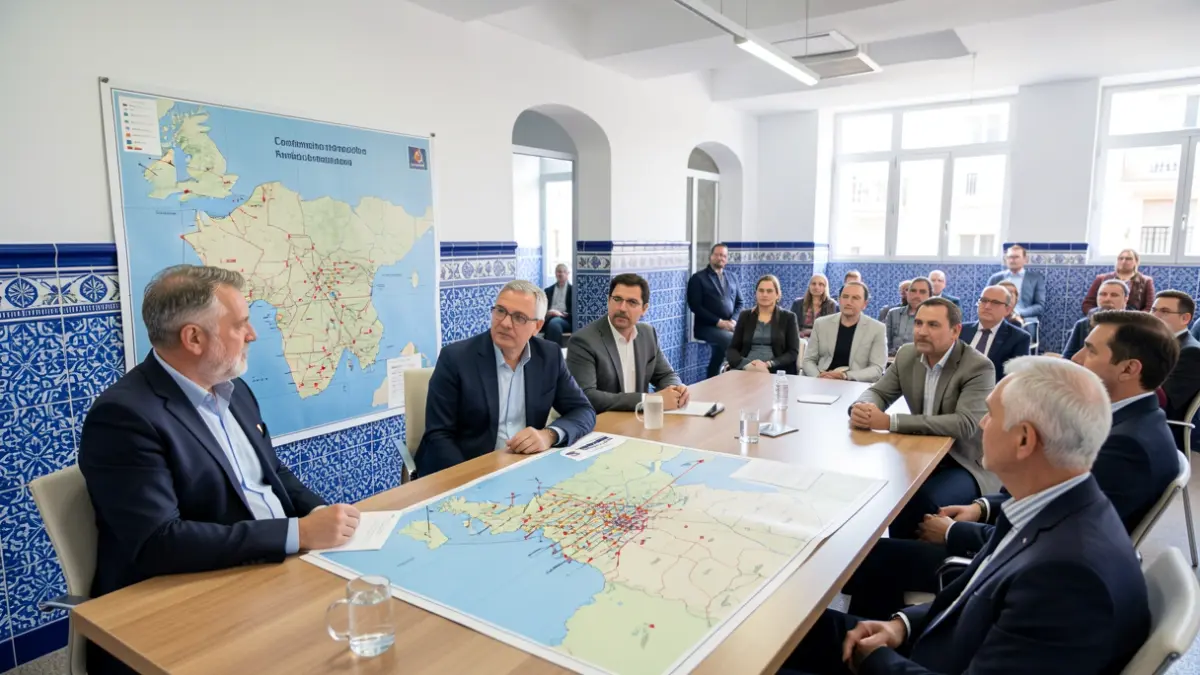
Representatives from the Directorate-General for Health and Food Safety of the European Commission (DG SANTE) are visiting Andalusia this week to gain firsthand knowledge of the Andalusian Program for the Surveillance and Integral Control of West Nile Fever Vectors, considered a leading experience in Spain for integrated vector-borne disease surveillance.
The visit is part of a technical mission initiated by the European Commission to analyze various strategies developed in the country based on the 'One Health' approach. This model integrates coordination between human health, animal health, and environmental health.
During their stay, the European delegation will hold working meetings with officials and professionals from different areas linked to the Andalusian Vector Strategic Plan, as well as with technical teams involved in monitoring and controlling West Nile Fever. The agenda includes technical sessions presenting the structure of the Andalusian program and actions in areas such as epidemiological surveillance in humans, animal health, entomological control, and environmental health, along with communication and health promotion initiatives.
Another aspect to be addressed during the visit will be the established coordination and response system for alert situations, as well as joint actions with municipalities and other involved organizations in vector prevention and control. The mission also includes a technical visit to the Spanish National Research Council (CSIC) center in Doñana to present work related to trap installation, entomological studies, and microbiological analyses associated with virus surveillance.
After their visit to Andalusia, the delegation will continue its tour in Extremadura and conclude the mission in Madrid with coordination meetings with national authorities linked to the state strategy for vector-borne disease surveillance.