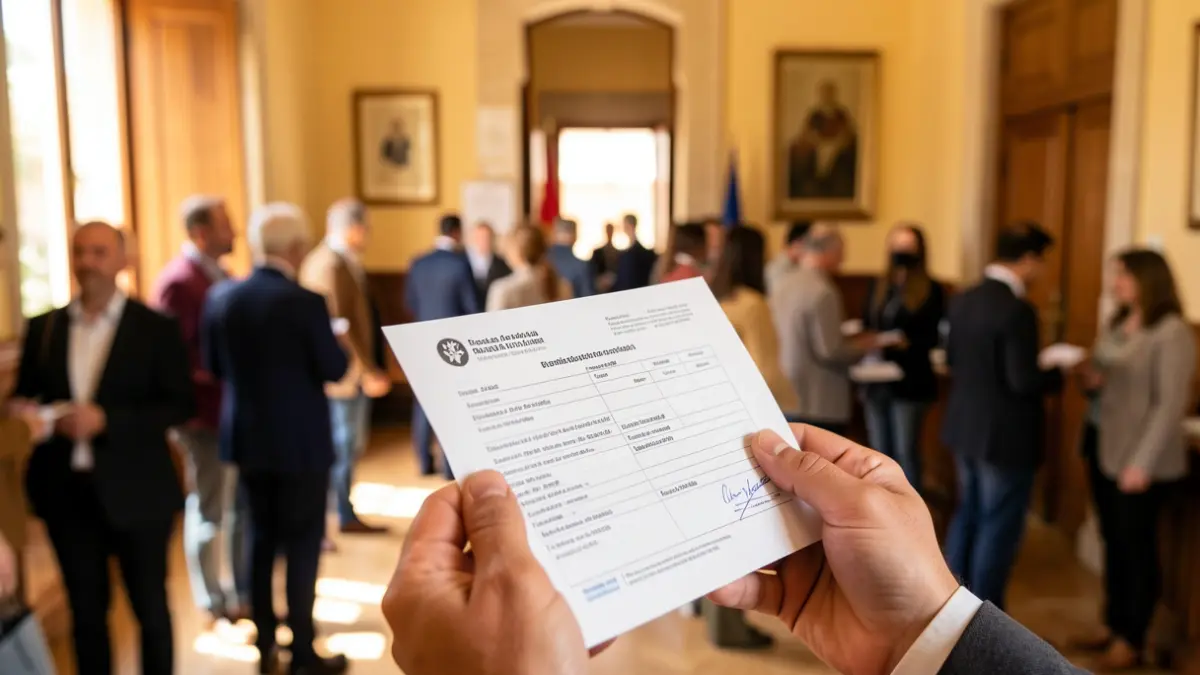
A Royal Decree approved last April by the central government allows for an extraordinary regularization for immigrants residing in Spain, facilitating access to the labor market and healthcare, though it does not grant nationality or voting rights. The initiative has generated high demand, with over 200,000 applications registered in the initial weeks, although an estimated 35% do not meet the established requirements.
To qualify for regularization, applicants must submit identification documents, prove a minimum residence of five months in Spain, and provide criminal record certificates. The decree outlines two main pathways: having previously worked in the country or having direct family members (minor children or ascendants) residing here. The deadline for submitting these applications is June 30th.
One example illustrates this situation: a young Colombian man who came to Spain seeking employment opportunities. He resides in Los Palacios, Sevilla, and despite having several job offers, he cannot accept them without a work permit. His hope rests on a favorable resolution of his regularization process, although he considers remaining as an undocumented immigrant if unsuccessful, relying on the 'arraigo' period after two years of residency.
The application process, while not excessively long, has been cumbersome for many. Obtaining certain documents, such as the vulnerability certificate, has been a critical bottleneck. Organizations like the NGO Luz Azul in Sevilla are providing support, but they highlight that the high demand, particularly for certificates, strains their resources. Many individuals turn to lawyers, whose fees are around 500 euros, and share information and experiences through social media.
The lack of clear information and delays in issuing required certificates, which can take over twenty days, create uncertainty. Luz Azul believes the government may need to extend the submission deadline due to the current backlog. Most immigrants are awaiting a provisional response and a Social Security number that would allow them to work legally.