The difficulty of acquiring a home in Seville capital has driven an exodus of young people towards Entrenúcleos, a rapidly expanding area in Dos Hermanas. This phenomenon responds to the search for larger properties with common areas and more affordable prices, characteristics that are scarce in the Sevillian market.
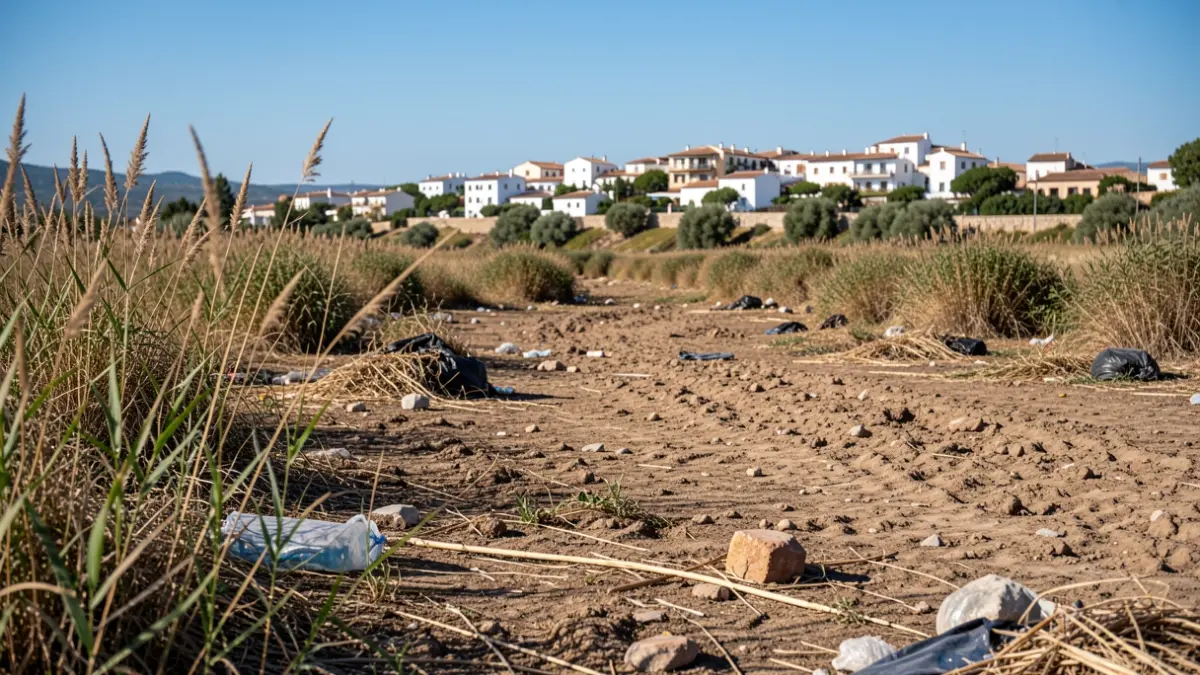
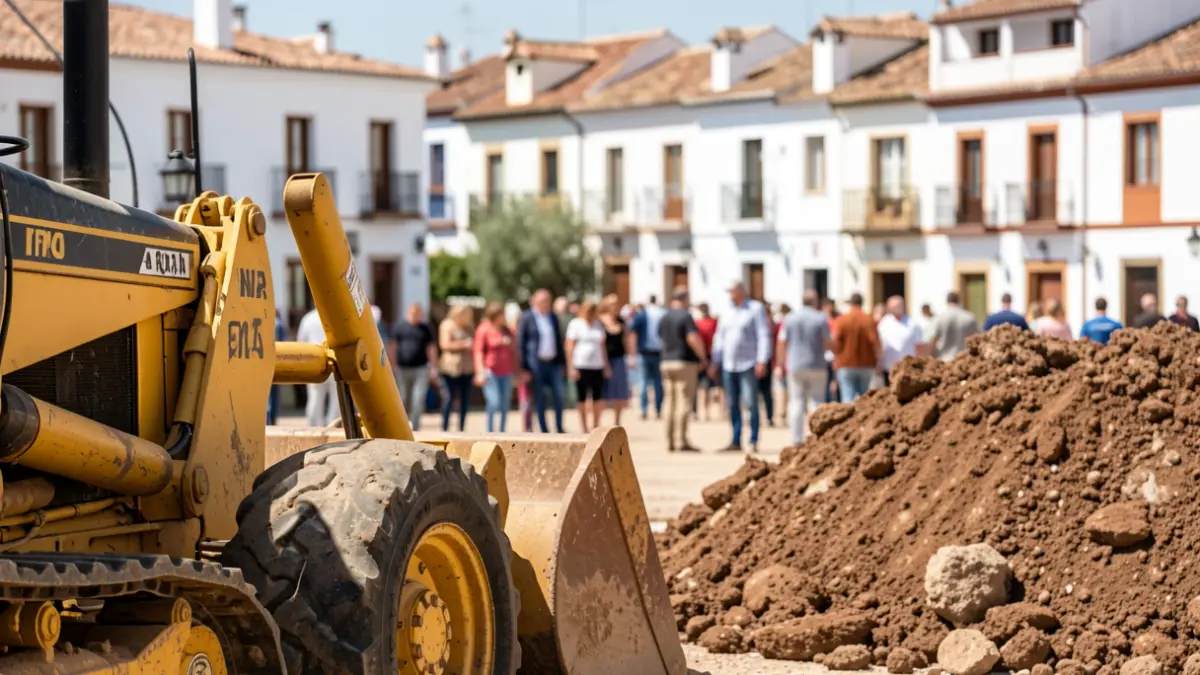
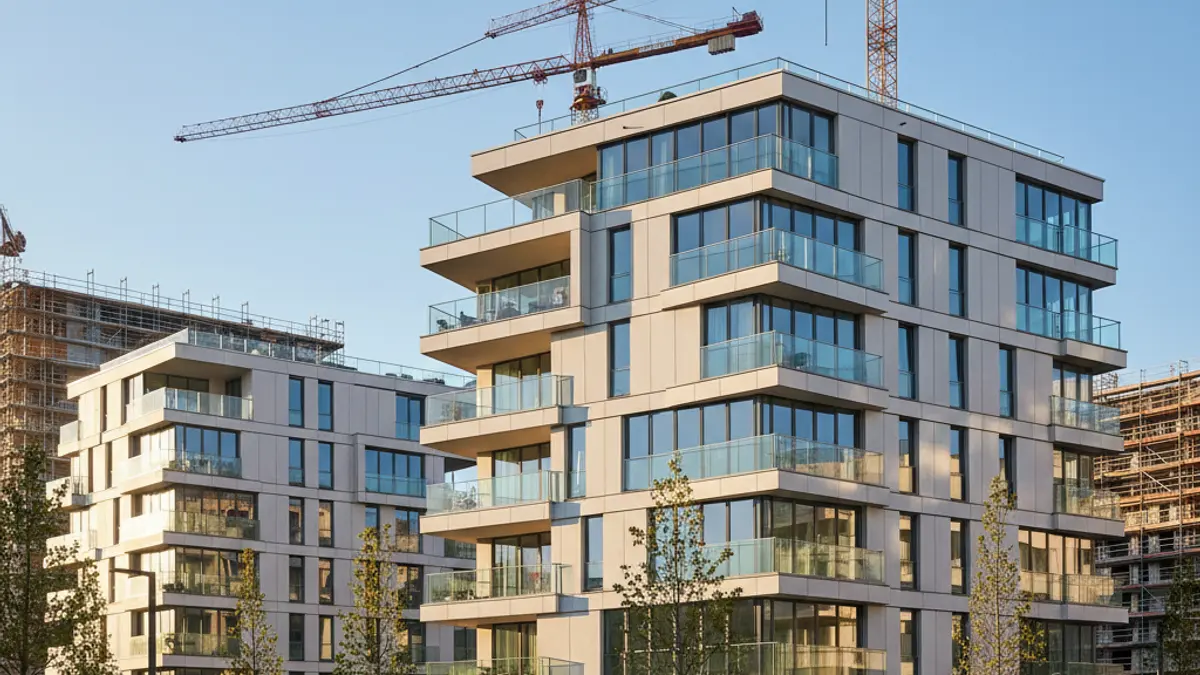
What was once an urban promise, with empty wide avenues, is now a vibrant area with cranes, newly delivered housing developments, and intense commercial activity. The real estate market in Entrenúcleos has become one of the most dynamic in the metropolitan area of Seville, attracting a middle-class buyer profile.
Prices in the area have experienced a significant increase. According to a study by Foro Consultores Inmobiliarios, the average cost of new multi-family free housing has risen from 149,000 euros in 2019 to almost 240,000 euros in 2026, representing an increase of over 60%. In the last year alone, the increase has been 11.7%, placing the square meter price around 2,200 euros.
“"The first buyers in Entrenúcleos did so at a very economical price because it was a bet on the future. We were coming out of the real estate crisis, and there was a lot of land to develop. The buyer took a risk because they didn't know how the area would evolve."
The pandemic acted as a catalyst for this growth, increasing the demand for homes with more space, terraces, and green areas. Entrenúcleos offered developments with swimming pools, paddle tennis courts, gyms, community rooms, and landscaped areas, with a quality-price ratio difficult to match in Seville capital.
Currently, the area has 19 developments for sale and over 3,200 homes, although stock is rapidly decreasing due to the high sales rate. Good communication with the SE-30 and SE-40, proximity to the Cercanías station, and to Pablo de Olavide and Loyola universities are key factors in its success.
Despite its rapid growth, residents of Entrenúcleos demand more public services, such as schools, health centers, and greater security, to absorb the demographic increase. The area, initially seen as a dormitory town, has transformed into a consolidated neighborhood with daily activity and a growing offer of shops and services.