
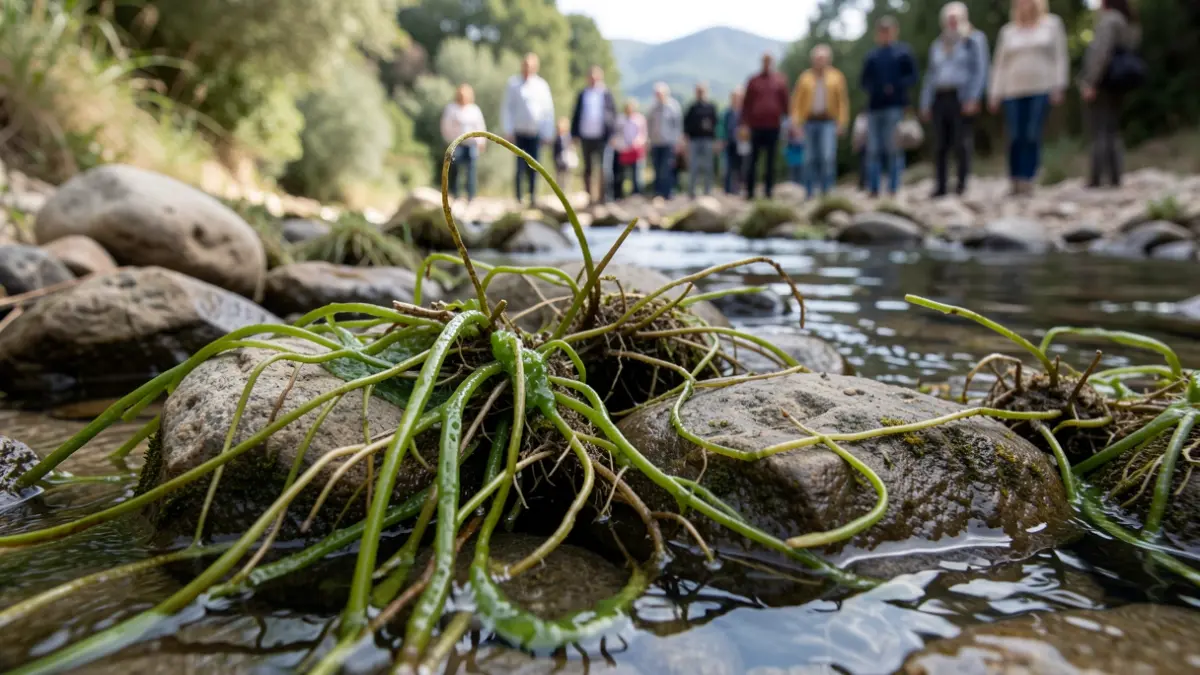
The research, published in the scientific journal Ecological Informatics, has measured for the first time in a comparable and peninsula-wide manner the extent of all invasive species of European concern present in the Iberian Peninsula. The work is based on more than 150,000 presence records from the global GBIF database, complemented by observations validated by specialists.
Of the 39 species analysed, eleven appear to have stabilised their expansion, such as the American mink or the pumpkinseed. However, the vast majority continue to colonise new places. The tree of heaven (Ailanthus altissima) has the largest area occupied, with more than 150,000 km² in Spain, while the red swamp crayfish and the Asian hornet occupy significant areas of 115,000 and 50,000 km² respectively.
“"Most of the species we have analysed are still expanding. This means that we still have time to act, but also that the window of opportunity to prevent new colonisations and limit their impacts is closing year by year"
Regarding the speed of advance, the Asian algae Rugulopteryx okamurae stands out as the fastest-expanding species, with an estimated speed of over 500 km per year. Other species such as Impatiens glandulifera and Ludwigia peploides also show speeds exceeding 100 km per year.
Researchers propose a roadmap to prioritise management: species in initial phases require early detection and eradication; those in active expansion need containment measures; and those with saturated distribution must be managed to mitigate their impacts. The study highlights the importance of coordinated management between Spain and Portugal, as many species move through shared river basins.