The Provincial Council of Cadiz and Fecádiz Sahara have launched a crucial initiative to optimize healthcare in the refugee camps of Western Sahara. This program focuses on pregnancy and childbirth, responding to a need previously identified within the framework of 'Vacaciones en paz', where a significant percentage of minors with disabilities linked to birth complications was observed.
The proposal arose from the concern of Fecádiz, which identified the urgency of studying childbirth conditions and seeking effective solutions. In response, the International Cooperation Service has launched the program 'Health and entrepreneurship in Sahrawi refugee camps: comprehensive care for pregnancy and childbirth, digital training'.
Four midwives from the province of Cadiz have traveled to the Wilayas of Smara and Dakhla, as well as the Rabuni National Hospital, with the aim of offering basic training, providing essential materials, and assessing needs on the ground. This mission seeks to design a more specific training program that addresses current deficiencies, such as the lack of oxygen supply in delivery rooms, the absence of functional neonatology units, and the vulnerability of the emergency referral system.
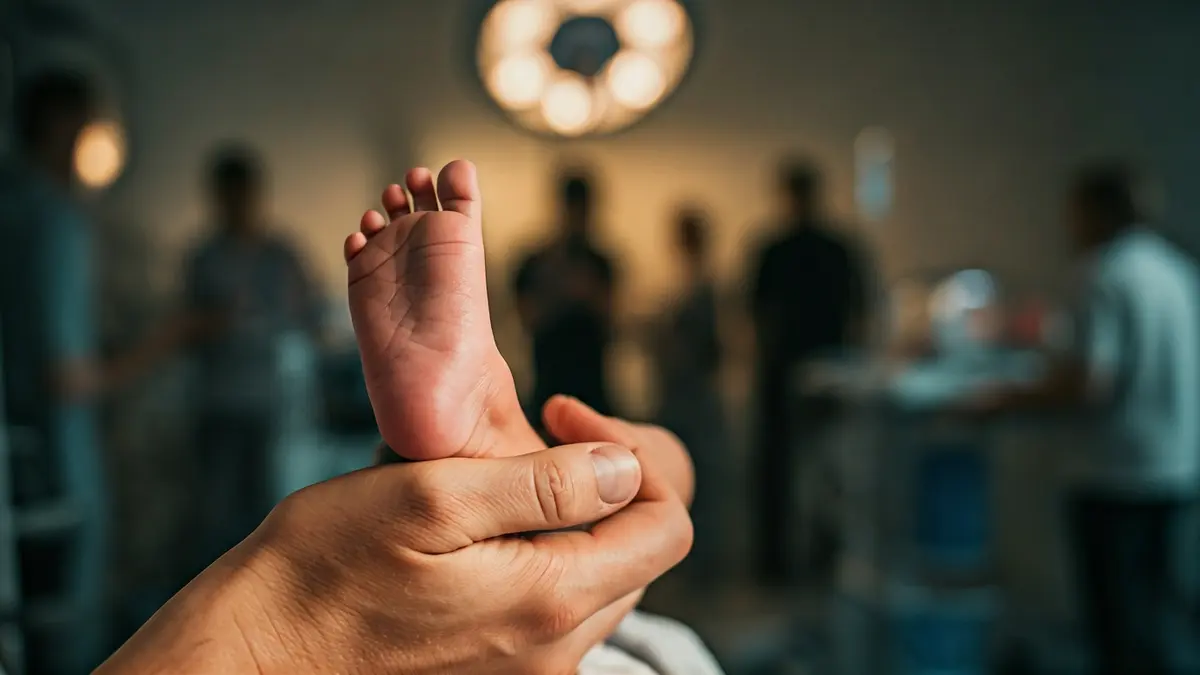
The intervention's strategic objective is to reduce early neonatal mortality and prevent permanent neurological sequelae, such as cerebral palsy, in a context of prolonged refuge.
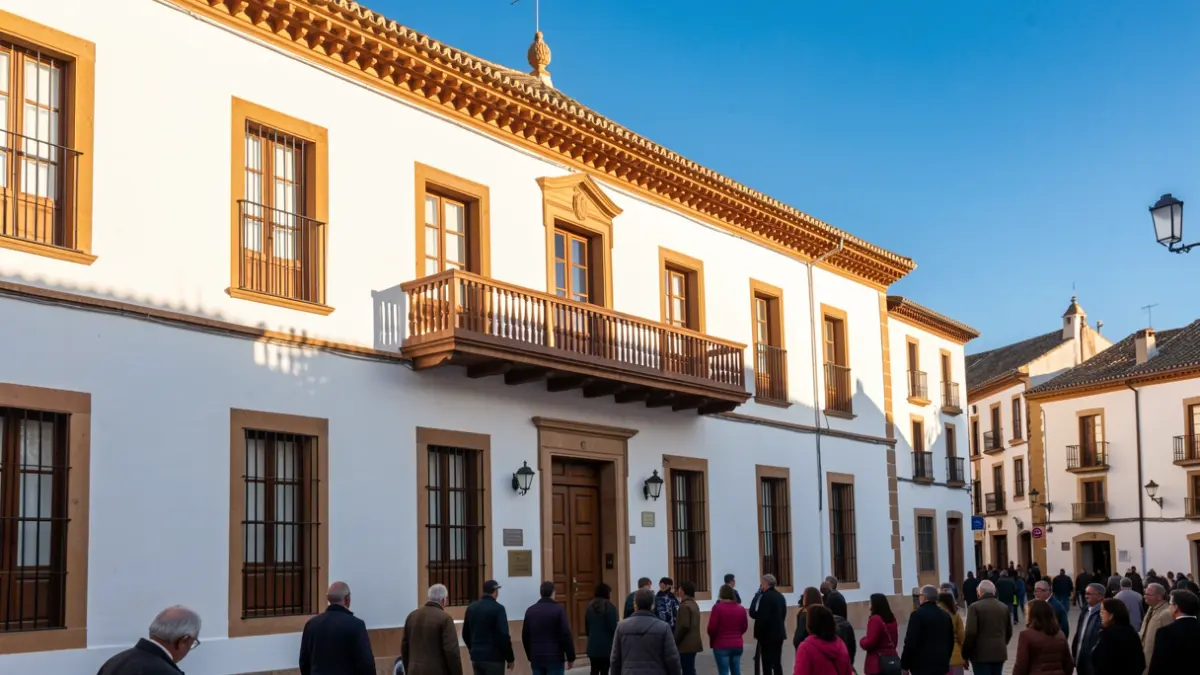
At a recent meeting at the Provincial Palace, the deputy of the International Cooperation Service, Ana Moreno, and representatives of Fecádiz Sahara, including its president Antonio García Manzano, evaluated the results of this first phase. Efforts were coordinated to develop a second stage, which will allow for the design of a training program adapted to the detected needs, with the goal of training local trainers.
The training provided is part of the 'Comprehensive Program for the Reduction of Perinatal Asphyxia', focusing on critical clinical competencies such as fetal monitoring, management of instrumental delivery with manual vacuum (kiwi), and basic neonatal resuscitation under the international standard Helping Babies Breathe (HBB).