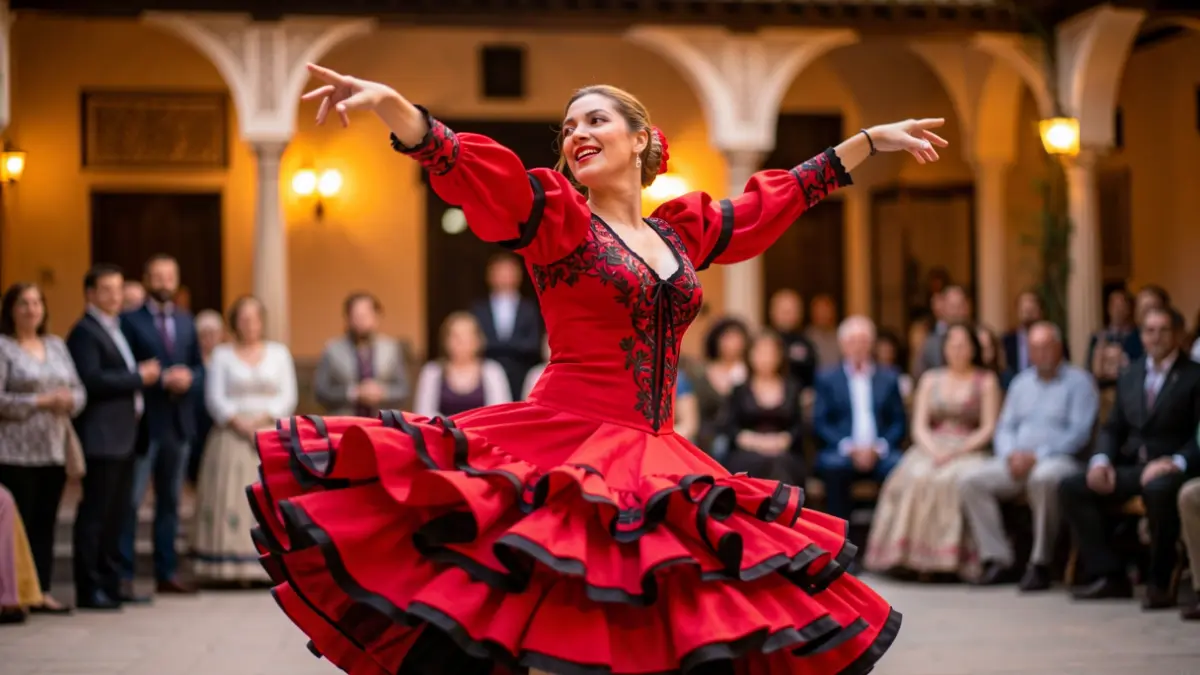
Flamenco art has been the central theme of this initiative, designed for people of all ages and skill levels, with the goal of discovering, learning, or perfecting this art declared Intangible Cultural Heritage of Humanity by UNESCO. The workshops covered various disciplines such as dance, rhythm, clapping, and body expression, combining practice with knowledge of flamenco's roots and history.
The training sessions, taught by Cristina Muelas and her team of professionals, took place in La Cimilla on July 6, 7, 8, 9, and 13, and in La Lomilla on July 15, 16, 20, 21, and 22. The main focus was on bulerías and tangos, two of the most festive and representative styles of flamenco.
One of the key objectives of this initiative was to foster neighborhood participation, promoting Andalusian culture and creating a space for coexistence. Flamenco has served as a tool for artistic expression, creativity, and social inclusion.
Through this initiative, the Vícar City Council reaffirms its commitment to equal opportunities, social inclusion, and valuing the cultural heritage of the Gypsy community, using flamenco as a catalyst for participation, learning, and community cohesion.
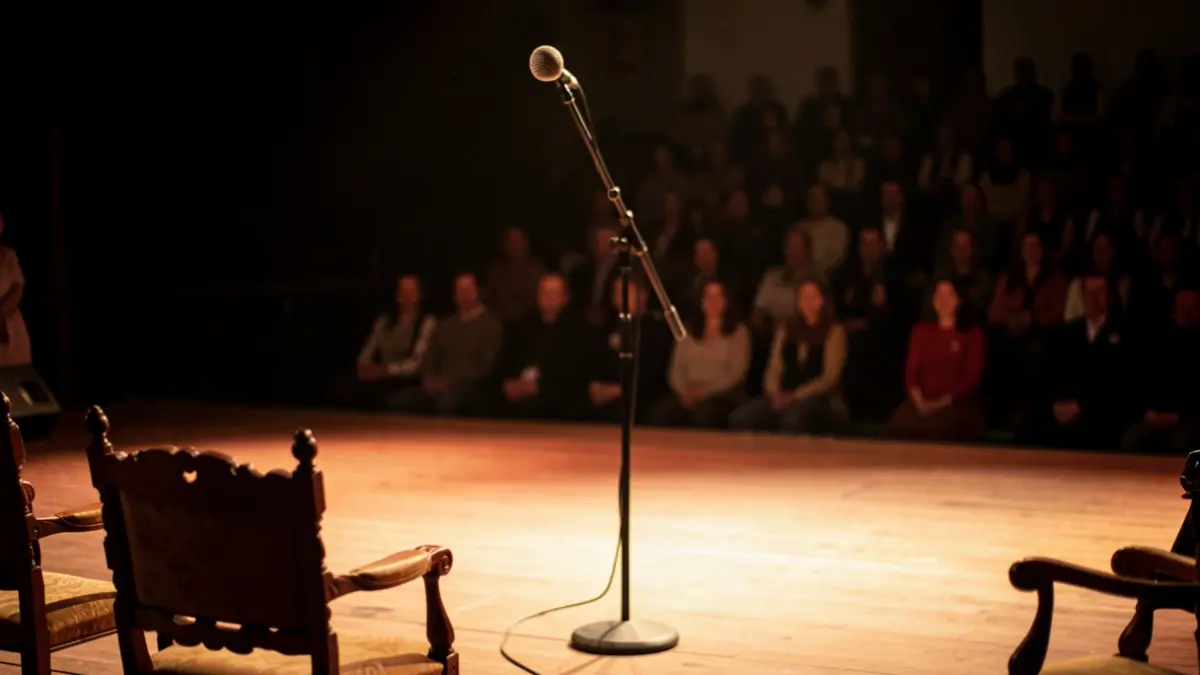
The closing ceremony for the sessions in La Cimilla was held on July 13, featuring demonstrations of what was learned. The event was attended by Encarnación Martínez Rubio, Delegate Councilor for Culture, Sports, Participation, and Festivals; José Luís Leseduarte Carretero, Delegate Councilor for Mobility, Traffic, and Public Urban Services; and Francisco Rodríguez Vargas, Delegate Councilor for Agriculture, Water, and Environment, who expressed their support for the residents.
These activities are part of the general objectives of the Program for the Gypsy Community, under the purview of the Ministry of Social Inclusion, Youth, Families, and Equality, for the fiscal year 2026.