The incident, caused by intense rainfall in late December that eroded the structure supporting the pipelines, resulted in the discharge of wastewater into the riverbed. This has led to the beaches of Arraijanal, in the Málaga Golf Course area, and Los Álamos, in Torremolinos, showing water quality values unsuitable for health.
The affected pipes carried wastewater from the Churriana district of Málaga and the municipality of Torremolinos to the Guadalhorce treatment plant. Since the breakdown, provisional solutions have been implemented, such as halting the Guadalmar pumping station and diverting flow offshore, to mitigate the direct impact on the river.
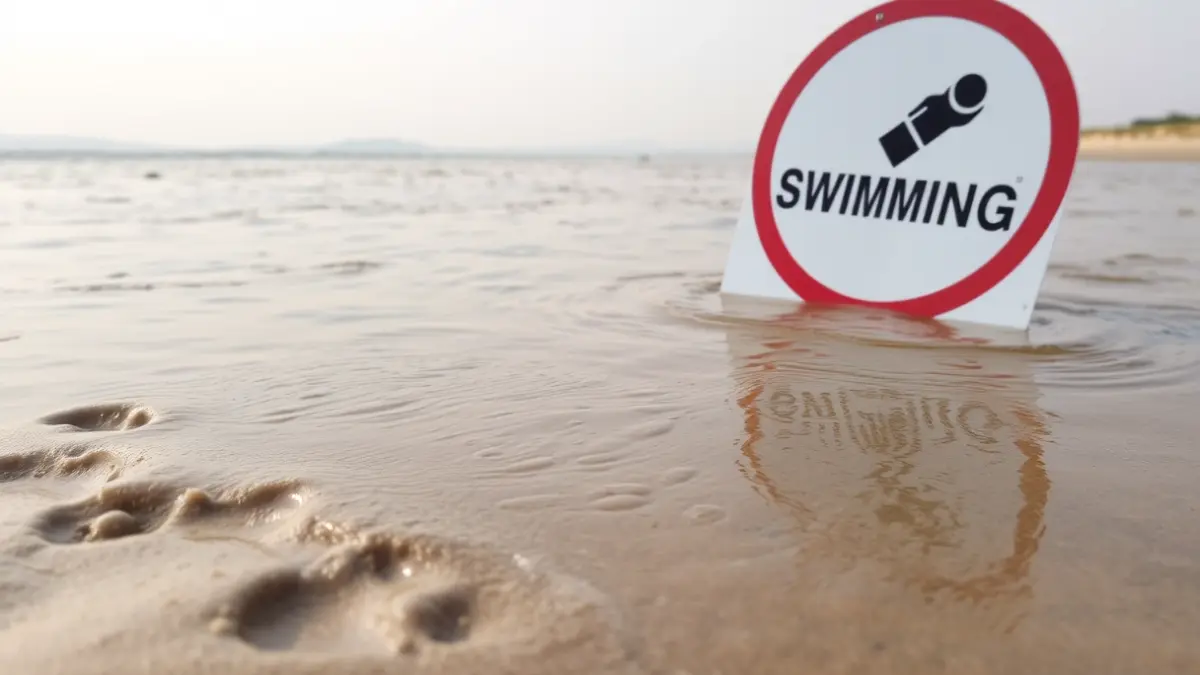
Daily water quality controls, carried out by the Málaga City Council and the Junta de Andalucía, detected the presence of E. coli bacteria in samples from Arraijanal in late March, leading to the swimming ban. Recently, the Torremolinos City Council extended this measure to Los Álamos beach after receiving unfavorable analytical results, linking the situation to the direction of ocean currents.
“"The reopening of the beaches not only depends on the completion of the works, but also on the analyses showing suitable values and the involved administrations guaranteeing sufficient sanitary safety."
The infrastructure repair is being addressed in two phases. A provisional solution, involving the reversible use of a regenerated water pipeline towards Torremolinos to divert wastewater, is expected to be operational by early May. The definitive solution, awarded by Emasa for 1.82 million euros, involves replacing the broken pipes with a new underground installation one meter in diameter, with a four-month execution period starting in April.
Meanwhile, the ban is limited to swimming, allowing the use of the sand for sunbathing or walking. Signage with flags and posters will be crucial to inform users, especially with the imminent high season, about the risk of contact with fecal bacteria-contaminated water.