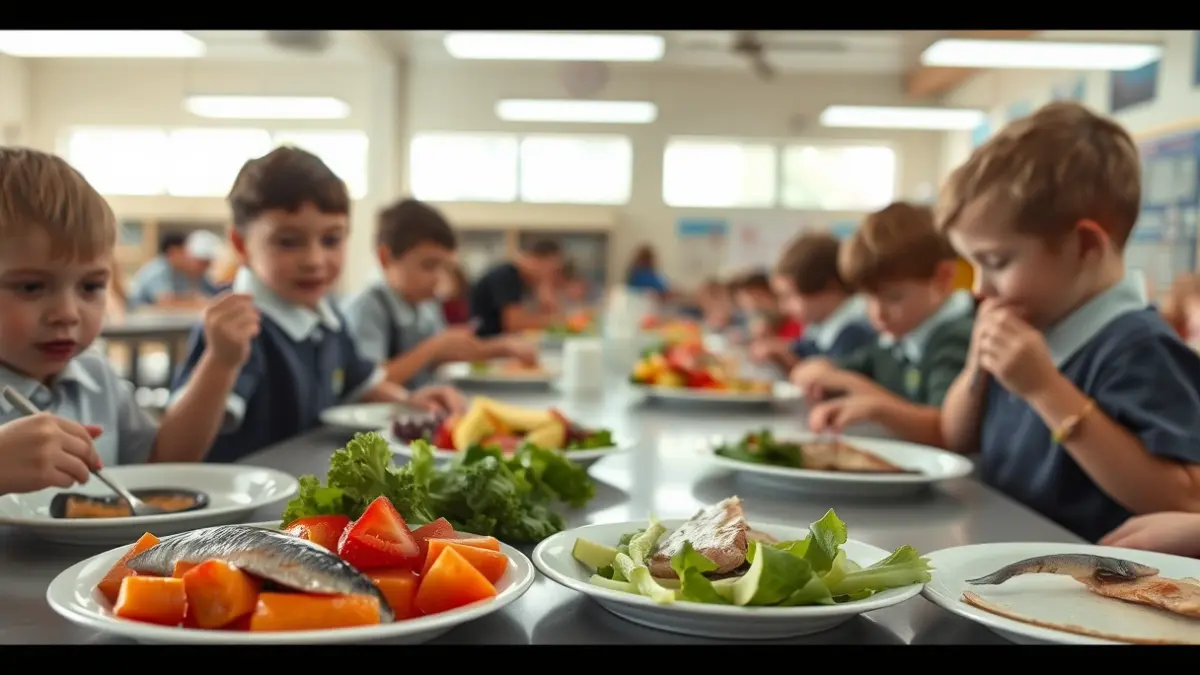
The new regulation, which governs food in school canteens, responds to the need to promote healthier eating habits among students. This measure seeks to counteract the trend of offering less nutritious, often cheaper, options in some educational centers.
Although some critics argue about government intervention in diet, the initiative is justified by its long-term impact on child health. Nutritional education is an ongoing process, and the school environment plays a crucial role in shaping preferences and habits.
“"Cuban-style rice is the lifeline of childhood. Without that volcano of rice, the joy of a fried egg, and the sweetness of plantain, lunches would lose their magic. It's the dish that turns an ordinary day into a simple, nutritious feast etched in memory."
As part of the changes, all new menus will include salad as a side dish with the main course. This addition will not only contribute to a more balanced diet but could also influence children's food choices outside of school, encouraging a greater demand for healthy options at home and in restaurants.
The measure is part of a broader effort to educate taste from an early age, recognizing that food preferences develop and can be shaped. Children, with their characteristic sincerity, often act as demanding food critics, which can be a valuable tool for evaluating the quality and appeal of the new menus.