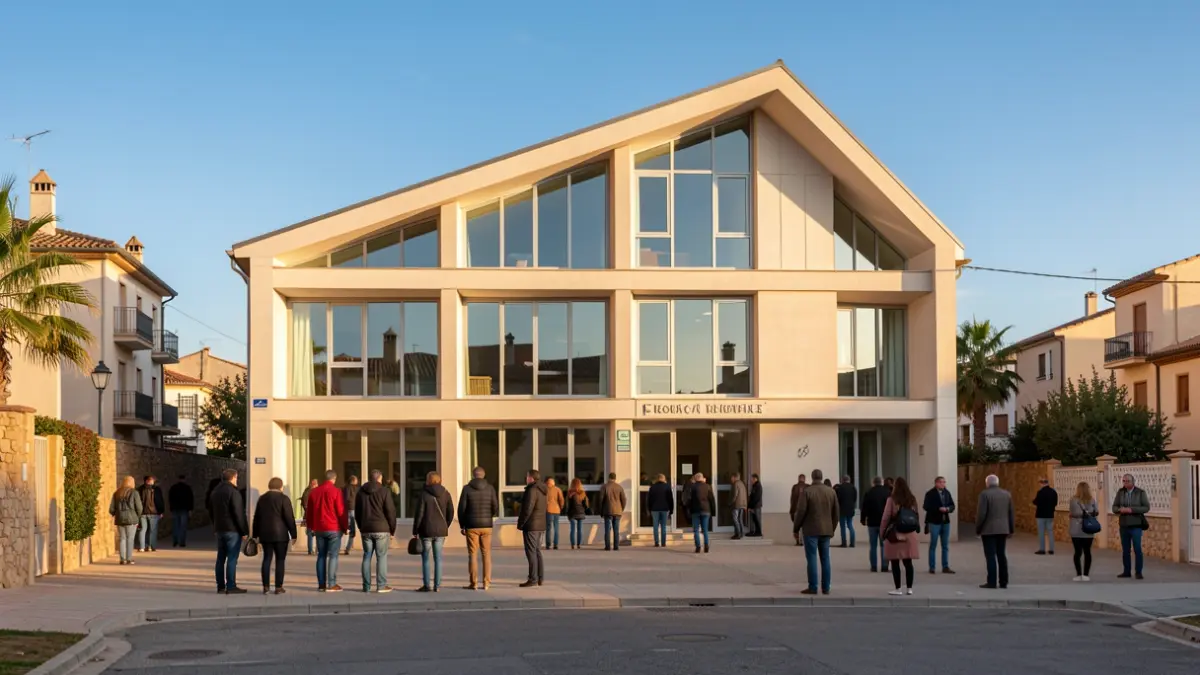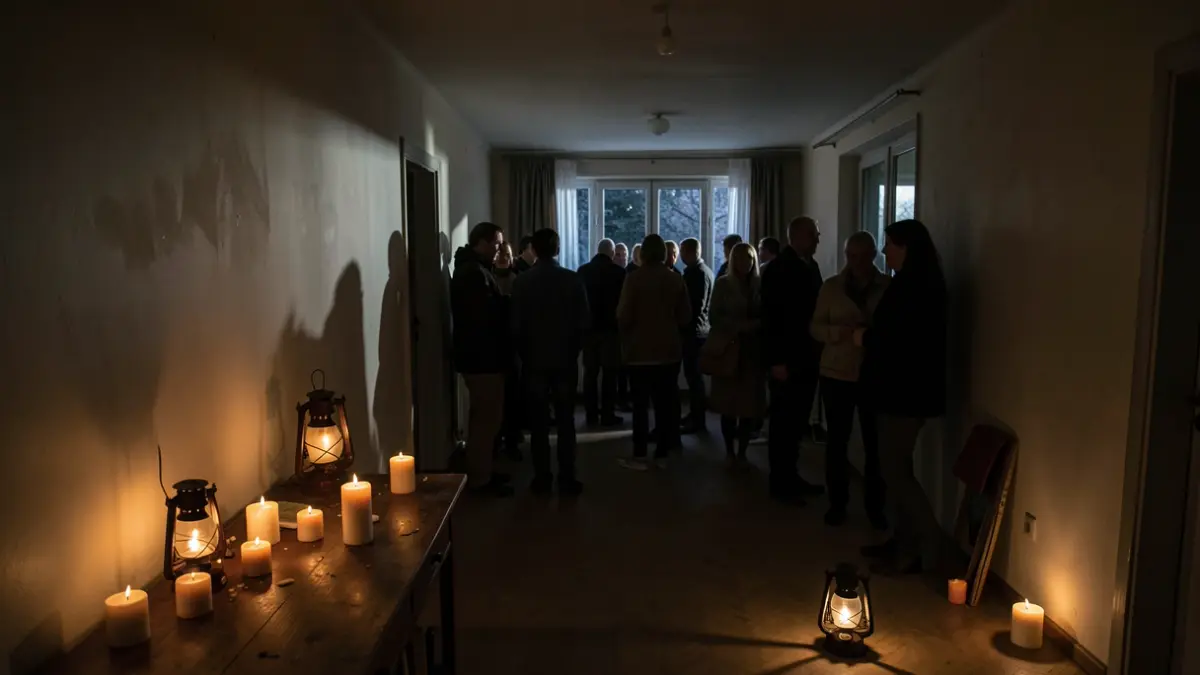
The electricity company Endesa has interrupted the power supply to about twenty buildings in the La Palma and La Palmilla neighborhoods in Malaga since June 30. These interventions aim to eradicate detected illegal connections, which reach up to 78% and pose a high risk of fire or electrocution. The situation affects approximately 15,000 people, with streets such as Pedro Ruz García, Eume, Ebro, and Cabriel among those affected.
Carlos Torres, coordinator of the Palma-Palmilla Proyecto Hogar Community Plan, indicates that the solution will not be quick. "This could be months," he stated, explaining that residents must first legally establish their homeowners' associations to obtain a tax identification number (CIF), a process that can take a month in registration alone. Subsequently, works are necessary to adapt the building's electrical installations to regulations, a step some companies are reluctant to undertake in the area.
Once these two requirements are met and the electrical connection is restored, each resident must individually apply for service activation. Torres laments that "a problem of many years cannot be solved in six months," and criticizes that Endesa's actions are not a regularization but "cuts and that's it," applied after 30 years of inaction.
The community plan urges the collaboration of all parties and works to raise awareness among residents with irregular situations to encourage them to try and regularize their status before power cuts occur. The importance of communication and the help of residents themselves to reach all affected individuals is highlighted.
Furthermore, continuous breakdowns in the district are reported, often requiring police presence for Endesa to carry out repairs, something that does not happen in other parts of the city. The community plan requests the company to also take the opportunity to "fix the situation of its installations" in the district.