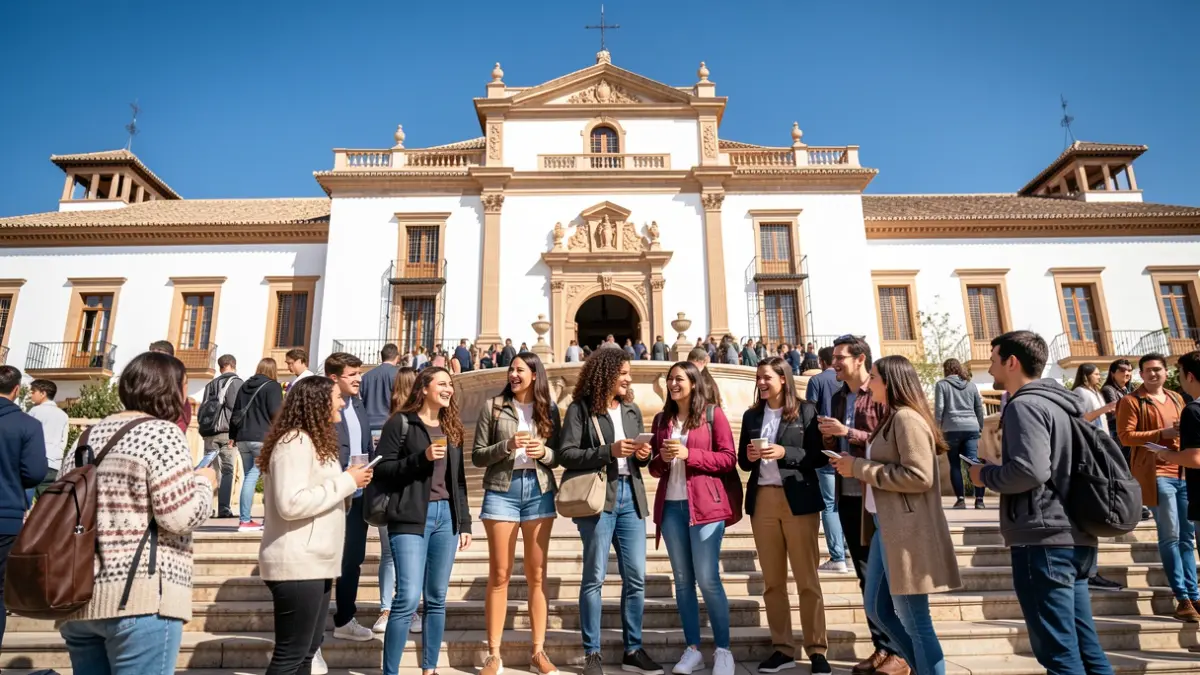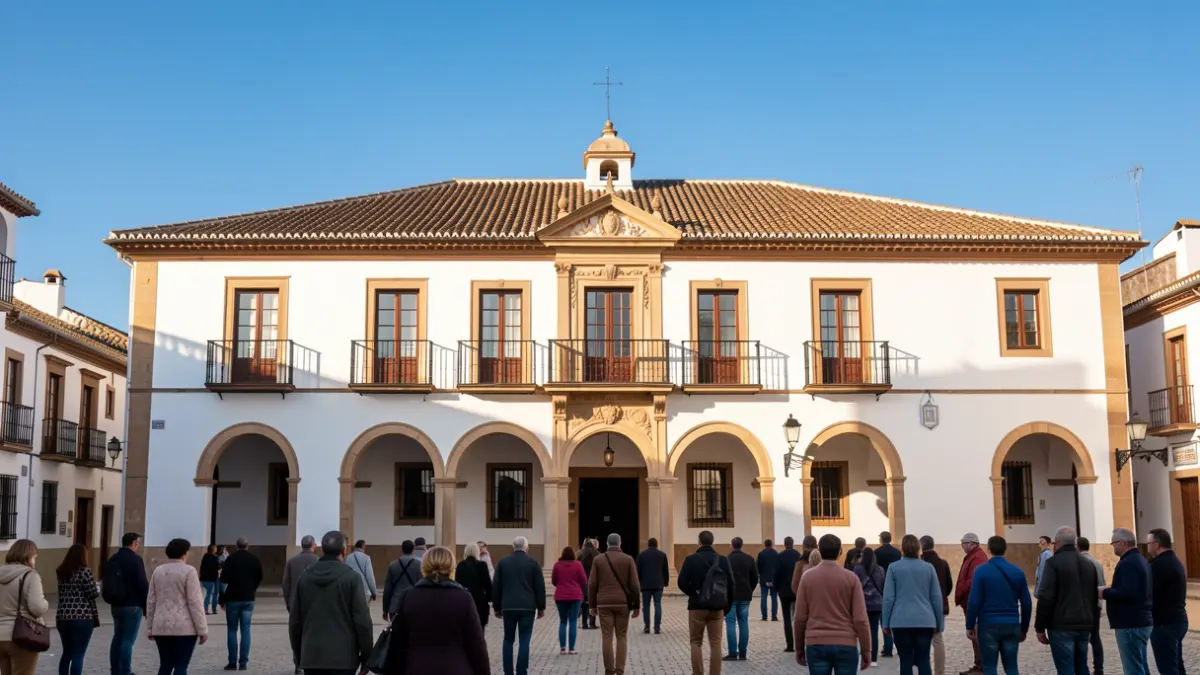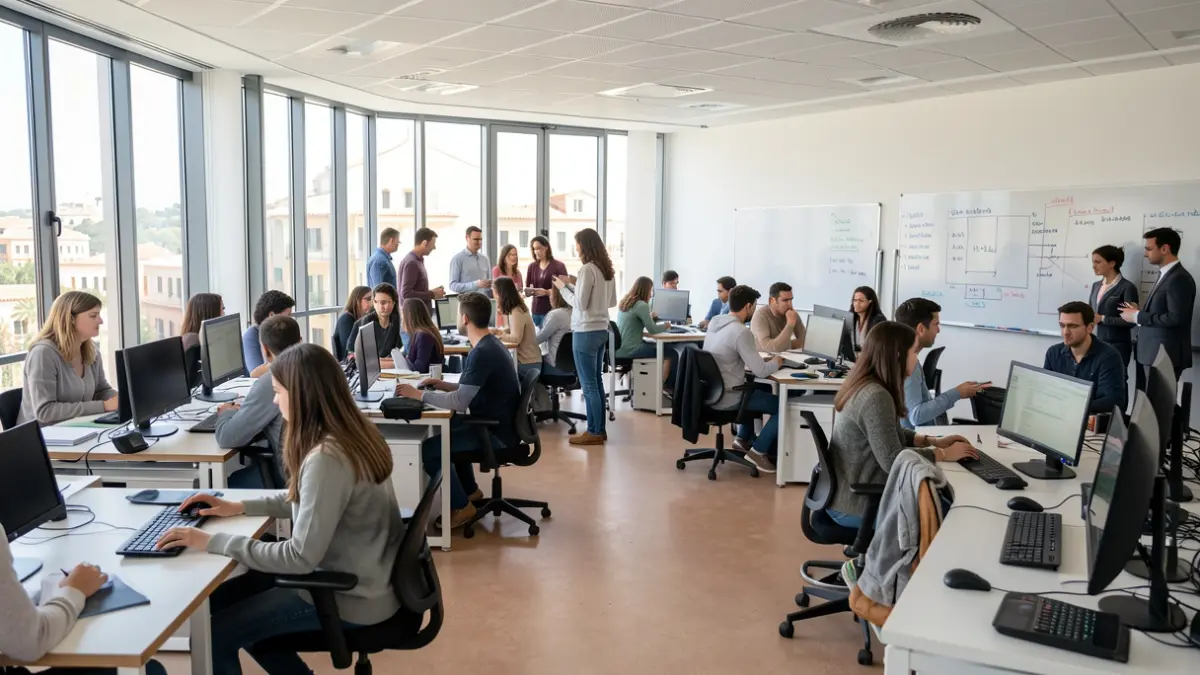
Campus 42 Málaga, an initiative by Fundación Telefónica, has firmly established itself as a key center for technological employment in the city. With a completely free training philosophy and a pioneering methodology, the campus has welcomed over 3,000 students, emphasizing its focus on autonomous and community-based learning.
The methodology at 42 Málaga eliminates the traditional professor, textbooks, and fixed schedules. Students themselves are the protagonists, learning by solving team projects and through mutual collaboration, a model known as peer-to-peer. Director Carmen Ledesma highlights that this dynamic fosters resilience and adaptation, particularly during the demanding 26-day entry test called 'the pool'.
The campus promotes critical thinking, an aspect that Ledesma considers essential in the age of artificial intelligence. Students are encouraged to use AI as a responsible support tool. The project's success is also attributed to the robust ecosystem surrounding it, including a public-private agreement with the Málaga City Council, the Junta de Andalucía, and the Provincial Council of Málaga.
The student profiles are remarkably diverse, with an average age over 30. Many come from sectors such as psychology or hospitality, seeking professional retraining and adapting to the demands of the tech job market. Cases like those of Ana Garrido, Juan Agustín Brosio, Begoña Varea, and Héctor Gámiz illustrate career changes and success within the program.
Collaboration among peers is a fundamental pillar. Students emphasize the importance of mutual help and establishing study habits, despite the intensity and moments of frustration that can arise. The ultimate goal for most is to secure employment in the technology sector.
The next 'pool' recruitment sessions are scheduled for June 15, July 20, and October 5. Ledesma encourages interested individuals to 'dare and dive in,' pointing to the thousands of vacancies in the sector and the 100% job placement guarantee offered by 42 Málaga. The campus, set to operate until at least 2028 thanks to the agreement, is based on student autonomy and the development of inference and critical thinking skills.